The Evolution of Mobile Shopping Experiences by 2026
24 April 2026
You know that feeling when you’re scrolling your phone at 2 a.m., half-asleep, and you accidentally buy a neon-green spatula you didn’t know you needed? Yeah, me too. Mobile shopping has already changed how we buy everything from groceries to gadgets. But here’s the thing: by 2026, that experience is going to feel less like a transaction and more like a conversation with a hyper-intelligent friend who just gets you. We’re not just talking about faster checkouts or bigger buttons. We’re talking about a complete metamorphosis—a shift from tapping screens to living inside a seamless, intuitive, almost magical retail ecosystem.
Let’s be real: the mobile shopping journey has been clunky for years. Tiny keyboards, endless form-filling, and those “Are you a robot?” captchas that make you question your own humanity. But 2026 is shaping up to be the year when mobile commerce finally grows up. It’s like watching a teenager morph into a confident adult—awkward phases fade, and suddenly, everything just works.
In this article, I’m going to walk you through the key shifts that will define the mobile shopping experience in the near future. We’ll dive into augmented reality, voice commerce, hyper-personalization, frictionless payments, and the quiet revolution of social shopping. And don’t worry—I’ll keep it conversational, because who wants to read a dry textbook about retail? Let’s get into it.
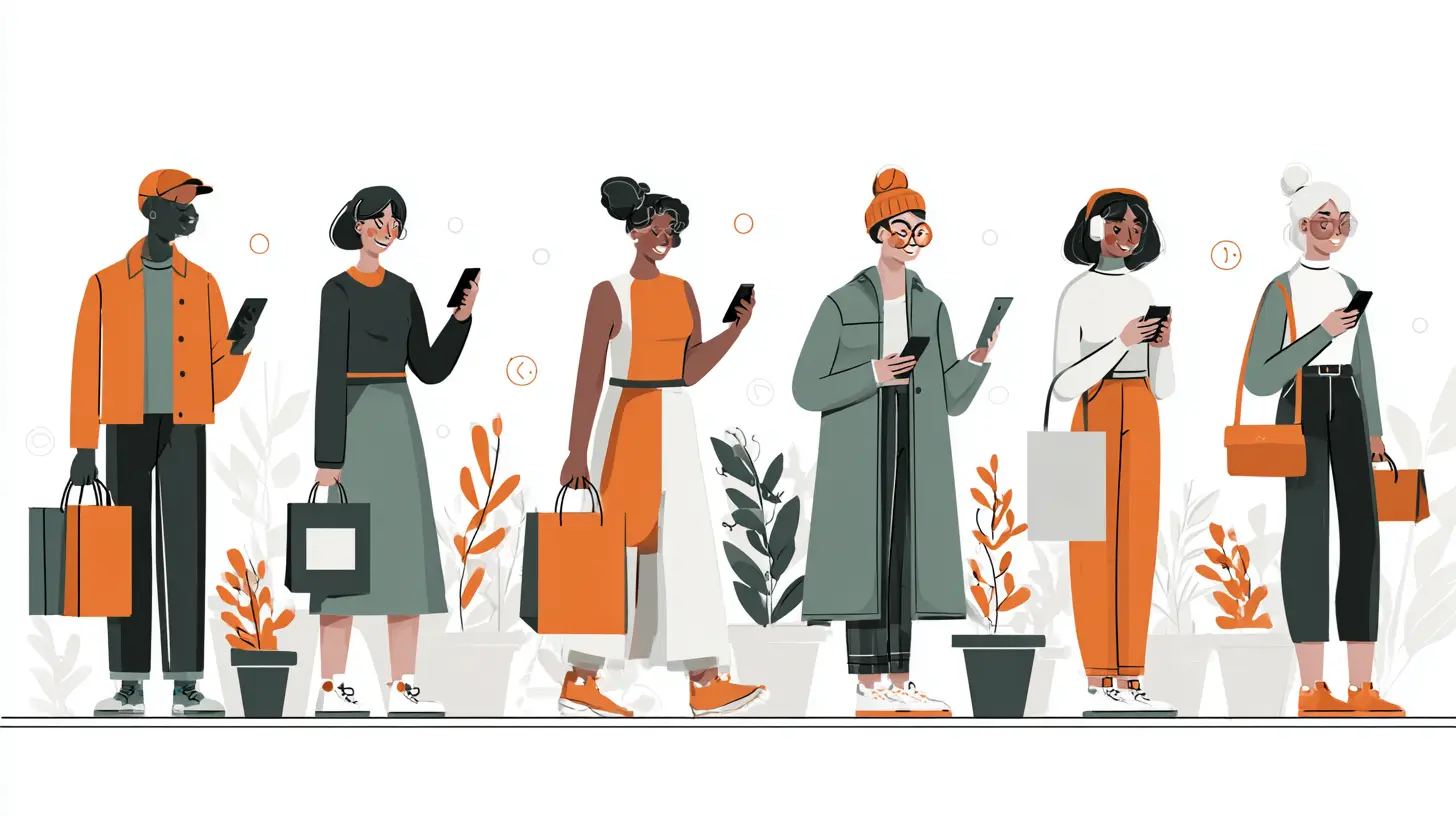
The Death of the Browsing Barrier: AR and Virtual Try-Ons
Remember the last time you bought a pair of sneakers online, only to realize they fit like clown shoes? That frustration is about to become a relic of the past. By 2026, augmented reality (AR) won’t be a gimmick—it’ll be a standard feature in every major shopping app. Imagine pointing your phone at your living room floor and seeing exactly how that new sofa would look in your space. Or pointing it at your face to try on 50 shades of lipstick without smudging a single swipe.Why does this matter? Because the biggest barrier to mobile shopping has always been trust. You can’t touch the fabric. You can’t test the weight. You can’t see how that lamp casts shadows. AR bridges that gap by turning your phone into a window into a parallel universe where you can “try before you buy.” It’s like having a personal fitting room that fits in your pocket.
By 2026, AR won’t just be for big-ticket items like furniture or fashion. Even grocery apps will let you scan your fridge and suggest recipes based on what you already have. You’ll be able to see a 3D model of a cereal box on your countertop and decide if it matches your aesthetic. Yes, we’re talking about cereal boxes. That’s how immersive it’s getting.
But here’s the kicker: the technology is becoming so seamless that you won’t even think of it as “AR.” It’ll just be shopping. The line between digital and physical will blur until it’s almost invisible. And that’s exactly how it should be.

Voice Commerce: The Silent Revolution You’ve Been Ignoring
Let’s be honest—typing on a mobile keyboard is a pain. Autocorrect has ruined more relationships than bad Wi-Fi. So why are we still relying on thumbs to make purchases? By 2026, voice commerce is going to be the quiet hero of mobile shopping. I’m not talking about shouting “Alexa, buy more paper towels” while you’re in the shower. I’m talking about nuanced, conversational interactions that feel like you’re chatting with a personal shopper.Picture this: you’re cooking dinner, hands covered in flour, and you realize you’re out of oregano. Instead of washing your hands, unlocking your phone, and typing “oregano organic near me,” you just say, “Hey, find me organic oregano from a local store and add it to my cart.” The app understands context, location, and even your preference for local suppliers. It might even suggest a recipe that uses oregano if you’re feeling adventurous.
Voice commerce in 2026 will be smarter because it’s backed by natural language processing (NLP) that understands intent, tone, and even hesitation. If you pause mid-sentence, the system might ask, “Are you unsure about the brand? I can show you reviews.” It’s like having a shopping buddy who never judges you for buying that third bag of chips.
The beauty of voice commerce is that it lowers the friction barrier. You don’t need to navigate menus or scroll through endless product lists. You just talk. And for people with disabilities, the elderly, or anyone who finds screens overwhelming, this is a game-changer. By 2026, voice won’t be a novelty—it’ll be a necessity.
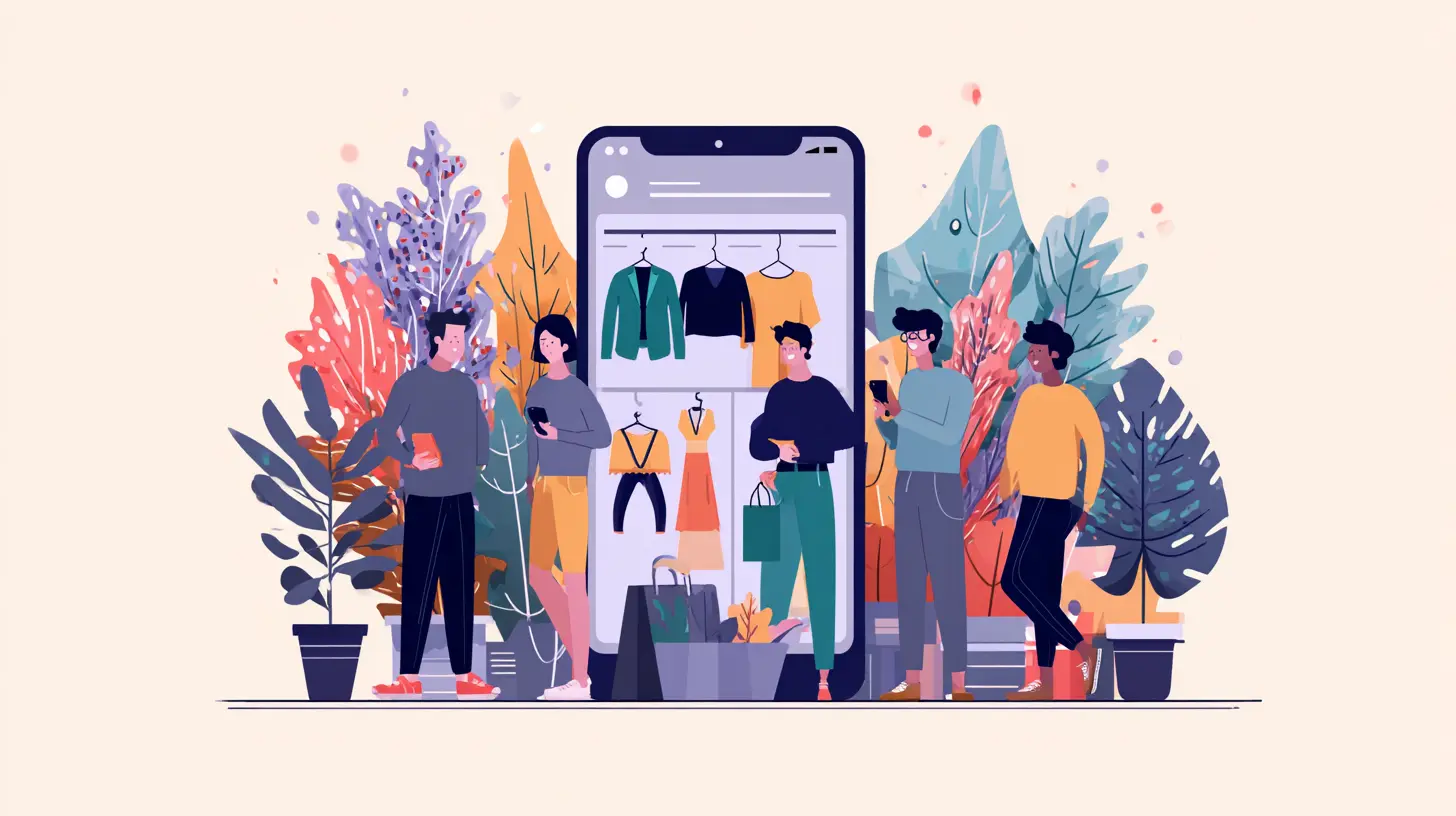
Hyper-Personalization: When Your Phone Knows You Better Than Your Best Friend
We’ve all had that creepy moment when an ad seems to read your mind. “How did they know I was thinking about buying a tent?” But by 2026, personalization won’t feel creepy—it’ll feel helpful. Like a friend who remembers your coffee order and your shoe size and your allergy to cheap perfume.Hyper-personalization in mobile shopping will be driven by AI that learns from your behavior, not just your purchase history. It’ll analyze how you scroll, what you linger on, and even how you respond to colors and layouts. For example, if you tend to buy products with minimalist packaging, the app will prioritize those. If you always read reviews before clicking “buy,” it’ll surface the most helpful ones first.
But here’s where it gets wild: by 2026, personalization will extend to the shopping environment itself. Your app might adjust the font size based on your reading speed, or change the background color based on the time of day. If you’re a night owl, the app could switch to a dark mode with softer contrasts to reduce eye strain. It’s like the app is saying, “I see you. I get you. Let’s make this easy.”
And it won’t stop at product recommendations. Payment options will also adapt. If you always use Apple Pay, the app will default to that. If you prefer to pay in installments, it’ll offer that upfront. The goal is to remove every single point of friction, so shopping feels less like a chore and more like a seamless part of your day.
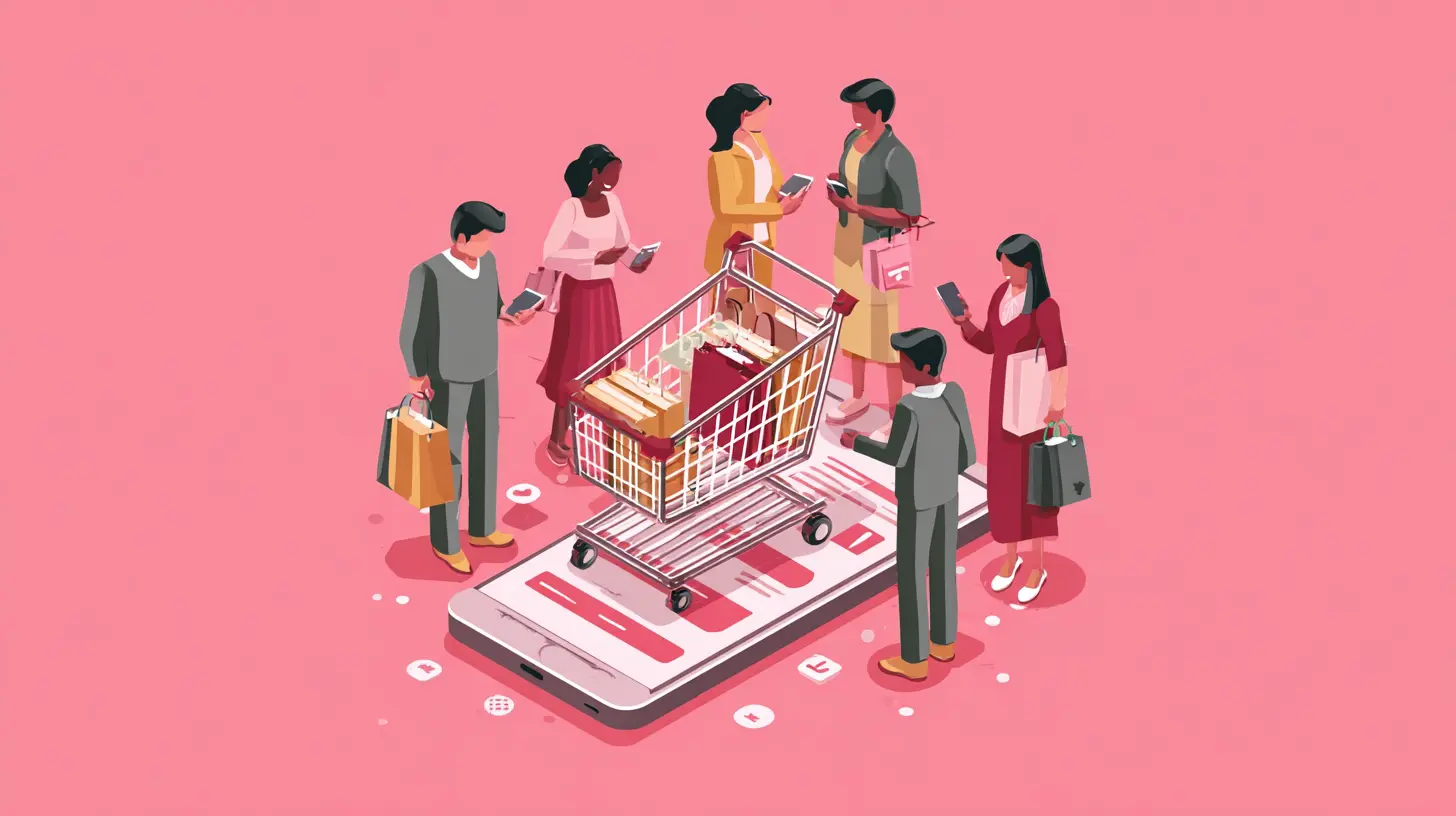
Frictionless Payments: The Invisible Checkout
Raise your hand if you’ve ever abandoned a cart because the checkout process took too long. (I’m raising both hands.) By 2026, the checkout process as we know it will be dead. In its place? Frictionless payments that happen in the background, like a butler who quietly settles the bill while you’re enjoying the meal.Biometrics will lead the charge. Your face, your fingerprint, or even your heartbeat (yes, some wearables can do this) will replace passwords and PINs. You won’t need to type your address because the app already knows it. You won’t need to confirm your payment because the system has learned your spending habits and can predict when you’re serious about a purchase.
Imagine this: you see a pair of headphones you like. You tap a button. The app confirms your identity via facial recognition, checks your preferred payment method, and places the order. The entire process takes less than two seconds. No forms. No pop-ups. No “Do you really want to buy this?” because the app already knows you do.
And then there’s the “buy now, pay later” (BNPL) trend, which by 2026 will be fully integrated into mobile experiences. But instead of clunky interfaces, BNPL will feel like a natural option—almost like asking a friend to spot you cash. The app will offer it at the right moment, without making you feel guilty or broke. It’s all about respecting your financial flow.
Social Shopping: From Scrolling to Buying in One Tap
Let’s talk about the elephant in the room: social media. By 2026, the line between social platforms and shopping apps will be so blurred that you won’t know where one ends and the other begins. Already, we see Instagram and TikTok testing in-app purchases. But in two years, this will be the default.Here’s how it’ll work: you’re watching a video of someone reviewing a new skincare product. Instead of leaving the app to find it, you just tap the product tag, and boom—it’s in your cart. The video pauses, a 3D model of the product appears, and you can rotate it, zoom in, and read reviews without ever leaving the feed. It’s like window shopping at a mall where every window has a “buy now” button.
But the real magic is in live shopping. Imagine a live stream where a host demonstrates a kitchen gadget. You can ask questions in real-time, see the gadget in action, and buy it instantly—all while chatting with other viewers. It’s like QVC for the digital age, but without the infomercial cheese. By 2026, live shopping will be a major revenue driver for mobile commerce, especially for fashion, beauty, and electronics.
And let’s not forget user-generated content (UGC). Instead of relying on professional photos, you’ll see real people using products in their homes. You’ll trust that more than any polished ad. Social shopping will feel less like advertising and more like community. And when you buy something, you’re not just purchasing a product—you’re joining a tribe.
The Privacy Paradox: Trading Data for Convenience
Okay, let’s get real for a second. All this personalization and frictionless magic comes at a cost: your data. By 2026, consumers will be more aware than ever of what they’re trading. But here’s the twist: most people will willingly trade data in exchange for convenience. It’s like giving your barista your name so they can have your latte ready when you walk in. It’s a fair trade.But mobile shopping apps will need to be transparent. They’ll need to show you exactly what data they’re collecting and why. Maybe they’ll offer “privacy tiers” where you can choose how much personalization you want. Want full access to your location, purchase history, and browsing habits? Great, you get the royal treatment. Prefer to stay anonymous? Fine, you’ll get a more generic experience.
The key is trust. By 2026, brands that violate privacy will be punished quickly—bad reviews, boycotts, and regulatory fines. But brands that handle data with care will earn loyalty. It’s a delicate dance, but one that’s essential for the evolution of mobile shopping.
The Rise of the Super-App: Everything in One Place
In many parts of the world—especially in Asia—super-apps like WeChat and Grab are already the norm. By 2026, this model will dominate mobile shopping in the West too. A super-app is essentially a Swiss Army knife for your phone: it does messaging, payments, ride-hailing, food delivery, and shopping, all in one interface.Why does this matter for mobile shopping? Because it consolidates your digital life. Instead of hopping between a dozen apps, you’ll have one hub that knows your preferences across categories. You can order a pizza, buy a plane ticket, and shop for a birthday gift—all within the same app, using the same payment method, with the same loyalty rewards.
For retailers, this means they’ll need to integrate into these ecosystems. It’s not enough to have a standalone app; you need to be where the users are. By 2026, expect partnerships between super-apps and niche retailers to explode. It’s like having a mall inside your messaging app.
Sustainability and Ethical Shopping: The Mobile Mirror
Here’s a trend that’s gaining serious momentum: conscious consumerism. By 2026, mobile shopping apps will not only tell you the price of a product but also its environmental and social impact. Imagine scanning a T-shirt and seeing a breakdown of its carbon footprint, water usage, and whether the workers who made it were paid fairly.This isn’t just a nice-to-have; it’s becoming a dealbreaker for many shoppers, especially Gen Z and younger millennials. Mobile apps will make it easy to filter by “sustainable,” “vegan,” “fair trade,” or “locally made.” Some apps might even offer a “swap” feature where you can trade in old items for credit.
Think of it as a mirror held up to your consumption habits. By 2026, your phone won’t just be a shopping tool—it’ll be a conscience. And that’s a good thing.
The Human Touch in a Digital World
With all this talk of AI, AR, and automation, you might wonder: where do humans fit in? The answer is simple: customer service. By 2026, the best mobile shopping experiences will blend technology with genuine human connection. Chatbots will handle the easy stuff (tracking orders, answering FAQs), but when you have a complex issue, a real human will step in—often within seconds.Video support will become common. Imagine being able to show a customer service agent the problem with your product via live video, and they can guide you through a solution in real-time. It’s like FaceTime with a friend who works at the store.
The key is balance. Technology should handle the mundane so humans can handle the meaningful. By 2026, the best mobile shopping experiences will feel both high-tech and warm—like a perfectly curated blend of efficiency and empathy.
Conclusion: The Future Is Already in Your Pocket
So, where does this leave us? The evolution of mobile shopping by 2026 isn’t about flashy gadgets or sci-fi fantasies. It’s about removing friction, building trust, and making commerce feel like a natural part of your life. AR will let you see before you buy. Voice will let you shop hands-free. Personalization will make every interaction feel tailor-made. And payments will happen so smoothly you’ll barely notice.But here’s the most important takeaway: the technology is just the tool. What really matters is the experience. When you can shop without thinking, without frustration, and without guilt, that’s when mobile commerce truly evolves.
So, the next time you pull out your phone to buy something—whether it’s a spatula at 2 a.m. or a new sofa—remember that you’re part of a revolution. And by 2026, that revolution will feel less like a revolution and more like the way it’s always been. After all, the best technology is the kind you don’t even notice.
Happy shopping, and may your autocorrect never betray you.
all images in this post were generated using AI tools
Category:
E Commerce TechnologyAuthor:

Jerry Graham
Discussion
rate this article
2 comments
Damien McCool
Exciting insights! Mobile shopping will truly transform our experiences.
May 1, 2026 at 3:03 AM
Jerry Graham
Thanks for your comment! I agree, mobile shopping is set to revolutionize how we shop. Exciting times ahead!
Davina McIntyre
The article insightfully captures the rapid advancements in mobile shopping, highlighting consumer trends and technological innovations.
April 24, 2026 at 3:06 AM
Jerry Graham
Thank you for your kind words! I'm glad the article resonated with you. Mobile shopping is evolving quickly, and it's exciting to explore these trends.