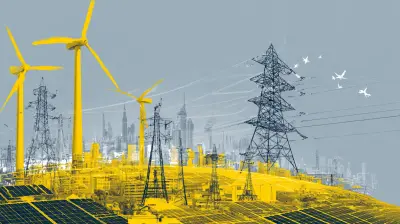
The Future of AI in Personal Security and Surveillance
6 August 2026
Artificial Intelligence (AI) has been creeping into every aspect of our lives, and personal security and surveillance are no exceptions. From smart cameras to predictive analytics, AI is transforming the way we protect our homes, businesses, and even our personal data. But where is this technology headed? How will AI shape the future of security in the years to come?
Let’s take a deep dive into the future of AI in personal security and surveillance, uncovering its benefits, risks, and what we can expect in the coming years.
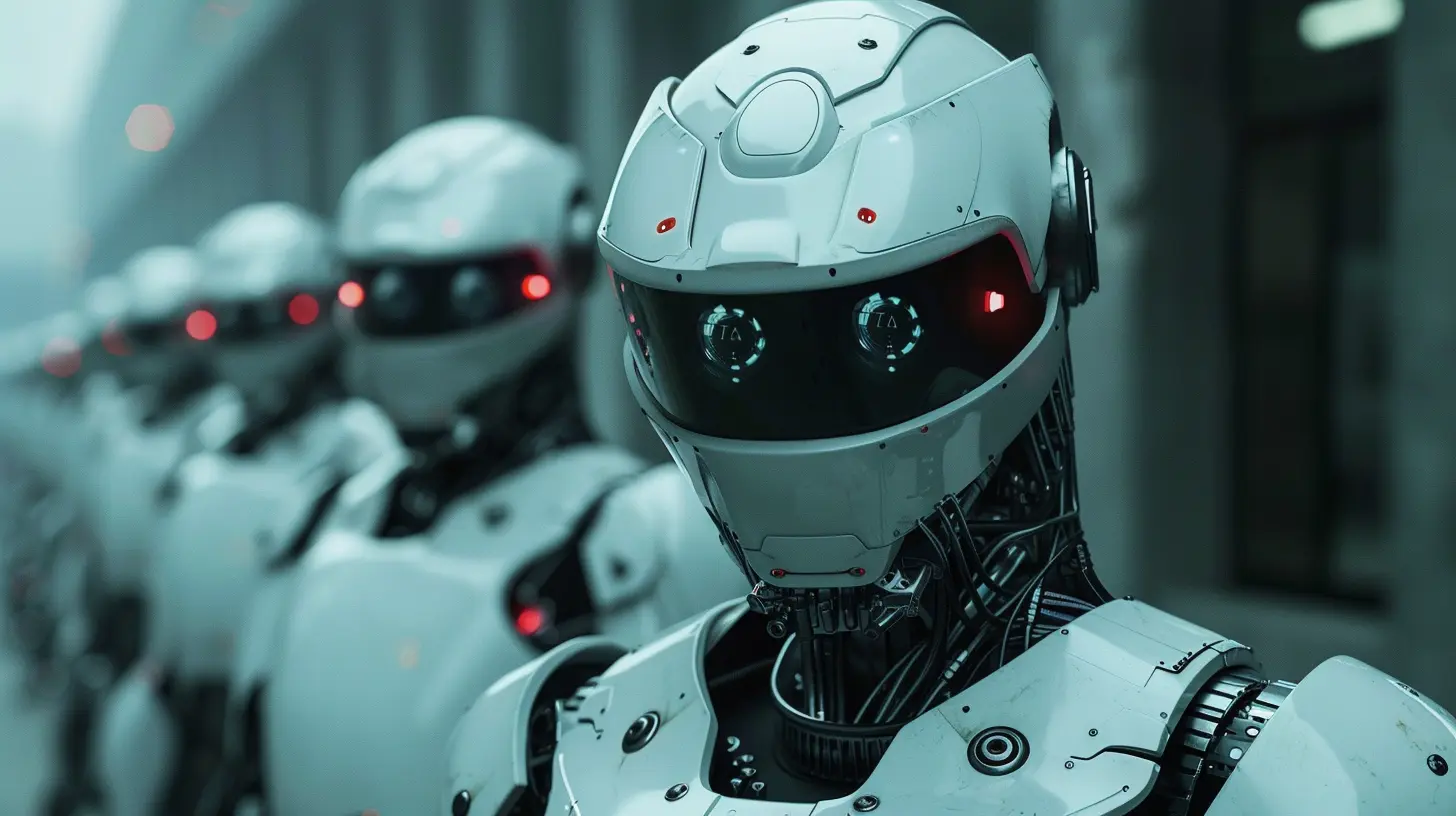
? The Rise of AI in Personal Security
We’re living in an era where traditional security methods just don’t cut it anymore. Burglars are getting smarter, cybercriminals are more sophisticated, and privacy concerns are at an all-time high. This is where AI steps in, bringing intelligent, automated solutions that improve security without requiring constant human intervention.1. Smart Surveillance Cameras with AI
Remember the days when security cameras were just recording devices? You’d have to manually sift through hours of footage to find anything useful. Not anymore. AI-powered surveillance cameras can now:✅ Detect Suspicious Activity – AI can analyze live video feeds and recognize unusual movements, alerting homeowners or security personnel.
✅ Facial Recognition – Think about how your phone unlocks using face ID. Now, imagine cameras identifying intruders in real-time.
✅ License Plate Recognition – AI can even track vehicles, helping law enforcement and homeowners monitor who enters a property.
With AI-powered surveillance, we’re moving towards proactive security rather than reactive measures.
2. AI-Powered Home Security Systems
Home security systems are no longer just about alarms and motion sensors. AI has taken them to the next level by integrating:? Smart Locks – Devices that recognize voice commands, fingerprints, or even emotions.
? Predictive Analytics – AI can analyze past security breaches and predict when and where another could occur.
? Automated Threat Response – Imagine your security system activating lights, locking doors, and alerting authorities in real time if it detects an intruder.
AI-driven home security systems are making safety smarter and more seamless than ever before.

? How AI is Changing Surveillance Technology
Surveillance no longer just means having cameras in place; it’s about how intelligently those cameras and systems process information. AI takes things to a new level, making surveillance smarter, more efficient, and, frankly, a bit like something out of a sci-fi movie.3. Real-Time Threat Detection
AI doesn’t just record events; it interprets them. Security systems powered by AI can instantly:✔ Identify weapons or suspicious objects in a crowd.
✔ Recognize unauthorized entry attempts.
✔ Detect odd behavior, such as loitering near restricted areas.
This means security teams are no longer reliant on human monitoring alone—AI can work 24/7 without losing focus.
4. AI-Driven Drones for Surveillance
Drones are no longer just for hobbyists. AI-powered drones are being used for:? Patrolling Large Areas – AI surveillance drones can monitor areas such as stadiums, warehouses, and even entire cities.
? Facial Recognition & Heat Mapping – These drones can identify individuals, track movements, and even detect body heat.
? Emergency Response – In situations like hostage crises or natural disasters, AI-equipped drones can help law enforcement assess and respond faster.
These flying security guards are giving us eyes in places we never had before.
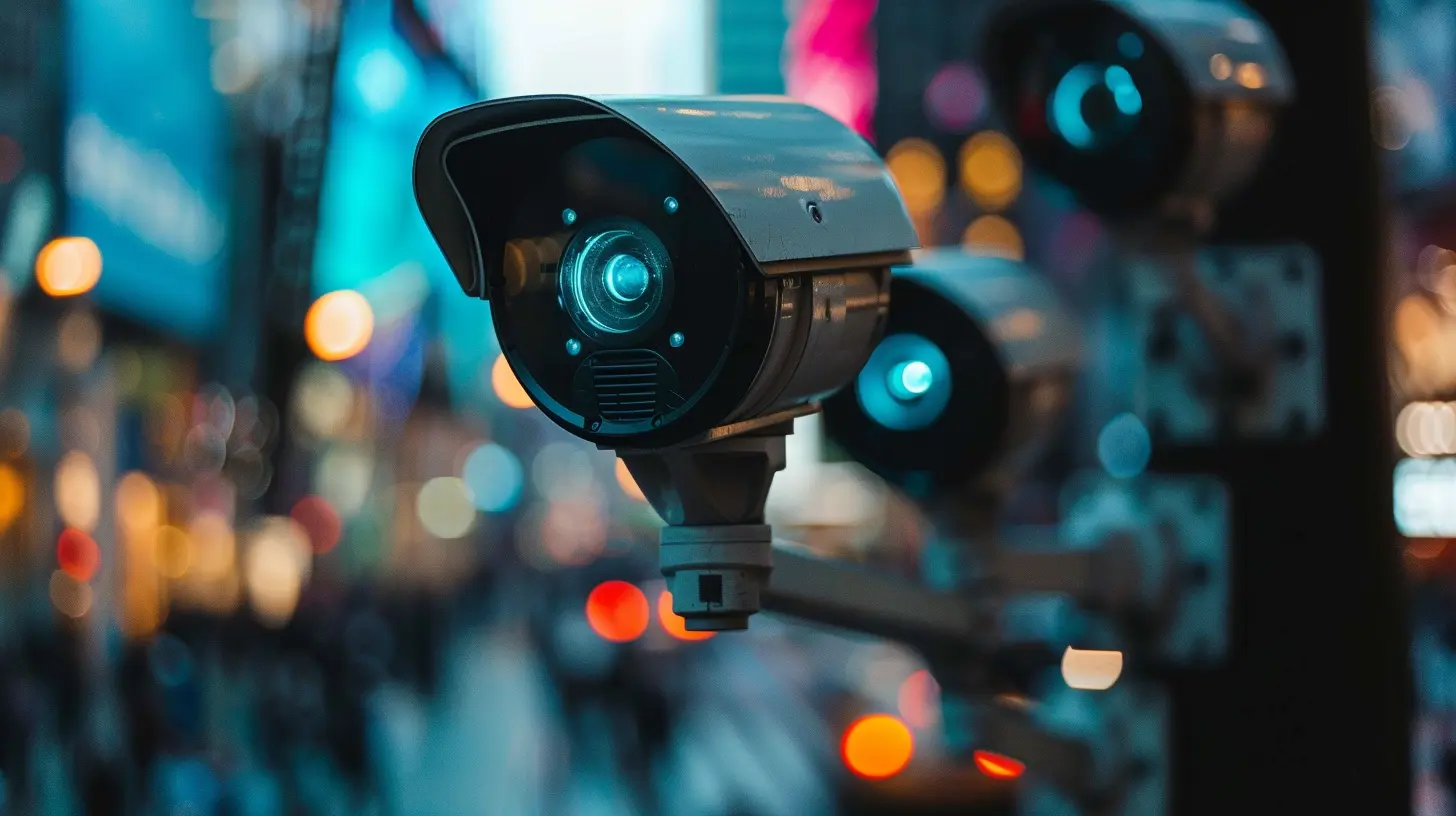
? The Role of AI in Cybersecurity
Physical security is one thing, but what about digital security? Hackers are constantly on the prowl, looking for vulnerabilities. AI is stepping up to become the ultimate cybersecurity watchdog.5. AI in Threat Detection & Prevention
⚡ AI can scan thousands of websites, emails, and system logs in seconds to identify threats.⚡ It detects anomalies in network traffic, identifying potential cyberattacks before they happen.
⚡ AI-powered antivirus programs can adapt and learn from new threats faster than traditional software.
With AI constantly monitoring the digital space, cybercriminals will have a much harder time succeeding.
6. AI and Biometric Security
We’re moving beyond passwords and PIN codes. AI is revolutionizing biometric security using:? Facial Recognition – Already used in smartphones, banking apps, and even airports.
? Voice Recognition – AI can authenticate users based on their speech patterns.
? Behavioral Biometrics – AI can analyze typing speed, mouse movements, and other behaviors to verify identities.
By replacing traditional authentication methods with AI-driven biometrics, security systems are becoming nearly foolproof.
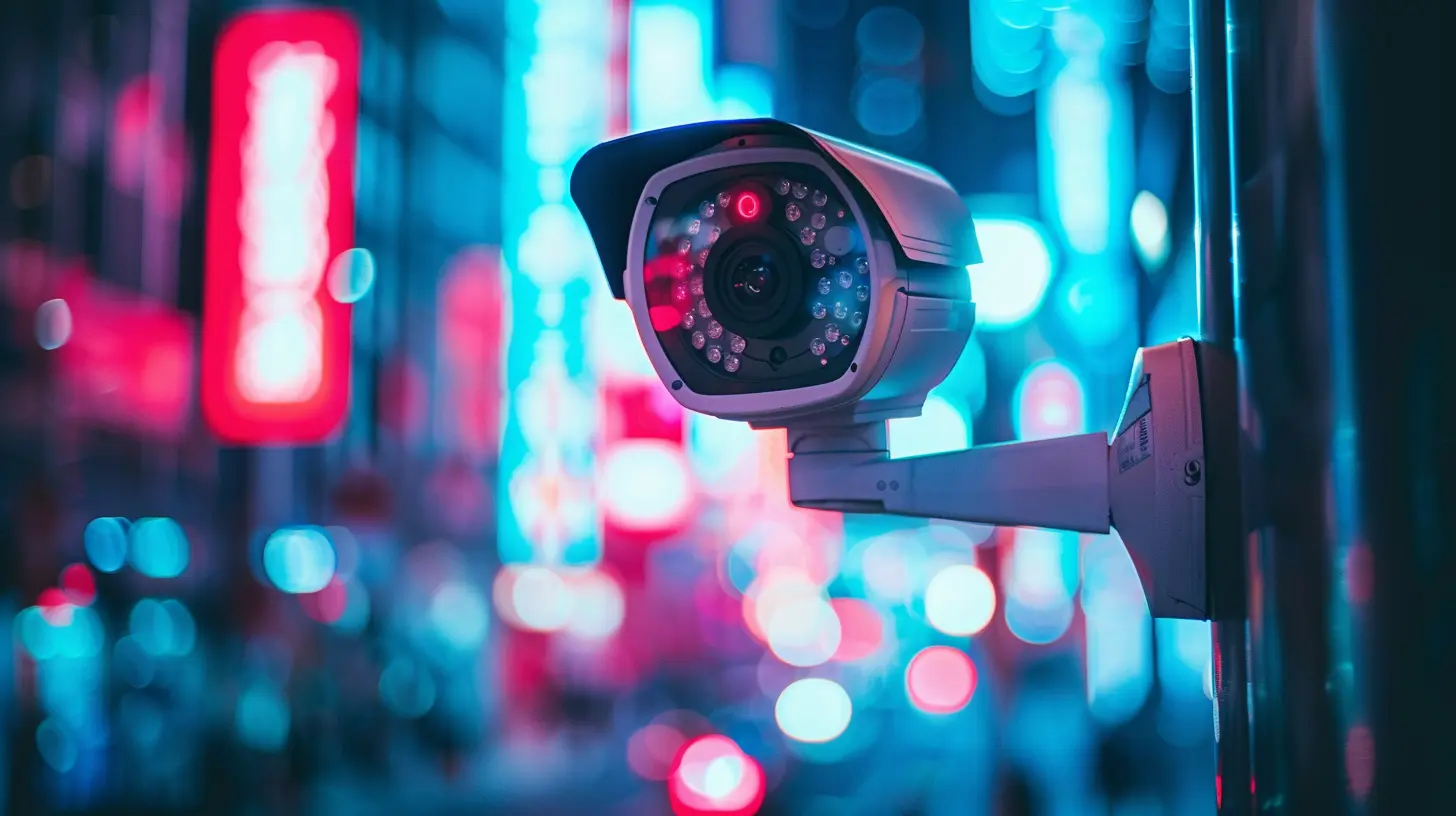
? The Potential Risks of AI in Security
Of course, no technology is perfect. With all the benefits AI brings to security, it also comes with potential risks and concerns.7. Privacy Concerns and Ethical Issues
? Mass surveillance raises major privacy concerns. Who controls the data? Who has access to it?? Bias in AI facial recognition has led to wrongful identifications, especially affecting minority groups.
? Governments and corporations could misuse AI-powered surveillance, leading to potential human rights violations.
8. AI-Powered Cyber Attacks
Unfortunately, AI isn’t just for the good guys. Hackers are also using AI to:? Launch more sophisticated cyberattacks.
? Bypass traditional security measures by mimicking human behavior.
? Create deepfakes that manipulate identities and spread misinformation.
AI in security is a double-edged sword—we must ensure it’s used for protection, not exploitation.
? What’s Next? The Future of AI in Security
As AI technology continues to evolve, here’s what we can expect:✅ Autonomous Security Systems – AI will handle everything from identifying threats to neutralizing them.
✅ AI-Powered Law Enforcement – Expect AI-assisted policing, with predictive crime analytics and automated investigation tools.
✅ Human-AI Collaboration – The future isn’t about replacing security personnel but enhancing their capabilities.
AI in security is here to stay, and while challenges exist, the benefits far outweigh the risks. The key is to develop regulations and ethical frameworks to ensure AI is used responsibly.
? Final Thoughts
AI is changing the way we think about security and surveillance. Whether it’s smart home systems, real-time threat detection, or AI-powered cybersecurity, one thing is clear: the future of security is intelligent, proactive, and deeply intertwined with AI.But as AI continues to evolve, we must remain cautious. Striking a balance between innovation and ethical concerns will be crucial. After all, security isn’t just about protection—it’s about trust.
all images in this post were generated using AI tools
Category:
Artificial IntelligenceAuthor:

Jerry Graham
Discussion
rate this article
1 comments
Zaylee McIlroy
Exciting times ahead! Embracing AI in personal security can enhance safety while respecting privacy. Let's navigate these advancements thoughtfully.
August 14, 2026 at 10:54 AM
Jerry Graham
I completely agree. Balancing innovation with privacy is crucial as we move forward. Let's stay mindful of both safety and ethics.