The Future of Smart TVs: AI and Machine Learning Integration
20 July 2026
Smart TVs have transformed the way we consume entertainment. Gone are the days of flipping through cable channels—now, everything is just a voice command away. But what if I told you that the smartest TVs of today are nothing compared to what’s coming next?
Artificial Intelligence (AI) and Machine Learning (ML) are now making their way into smart TVs, taking our viewing experience to an entirely new level. Imagine a TV that not only understands your preferences but anticipates them before you even realize what you want to watch. Sounds exciting, right?
Let’s delve into the future of smart TVs and how AI and ML are about to make them eerily intelligent.

The Evolution of Smart TVs
Before we dive into the AI-driven future, let’s take a step back and see how we got here.Smart TVs were initially just TVs with internet connectivity. They allowed users to stream content from platforms like Netflix, Hulu, and YouTube. Then came voice assistants like Alexa, Google Assistant, and Bixby, adding another layer of convenience.
But now, with AI and ML in the mix, smart TVs are evolving beyond just streaming devices. They are becoming sophisticated learning machines, capable of understanding user habits, optimizing picture quality, and even interacting with other smart home devices.

How AI and Machine Learning Are Changing Smart TVs
1. Personalized Content Recommendations
Ever feel like your TV knows you better than you know yourself? That’s AI and ML at work. By analyzing your viewing habits, AI-driven smart TVs can predict what you’d like to watch next, making recommendations that get better over time.Streaming services like Netflix and Disney+ have been using AI-powered recommendations for years, but with AI integrated directly into smart TVs, content suggestions will become even more accurate. Imagine a TV that not only suggests movies you like but also adjusts recommendations based on your mood, time of day, and even who’s watching.
2. Voice and Gesture Recognition
Remember when pressing buttons on a remote was the only way to interact with a TV? That era is fading fast. AI is making it possible to control your TV using just your voice or simple hand gestures.Voice assistants are already a big part of modern smart TVs, but AI is taking them to the next level. Future TVs will have natural language processing (NLP) capabilities, allowing them to understand complex commands. Instead of saying, “Find me action movies,” you could say, “I’m in the mood for a fast-paced thriller with lots of explosions,” and your TV would know exactly what to pull up.
Gesture recognition will also eliminate the need for remotes altogether, turning your hand movements into commands—just like in sci-fi movies.
3. AI-Powered Picture and Sound Optimization
Ever noticed how movies look different on different screens? That’s because a lot goes into optimizing picture and sound. AI is now taking charge of this process, ensuring you get the best possible experience automatically.For example, AI can analyze the type of content you’re watching and adjust brightness, contrast, and color settings in real time. Watching a horror movie? Your TV will enhance the shadows and deepen the blacks to set the mood. Streaming a football game? AI will sharpen the motion and highlight key moments dynamically.
The same goes for sound. AI-powered TVs will use machine learning to analyze room acoustics, adjusting audio settings based on your environment. Whether you're watching in a noisy living room or a quiet bedroom, your TV will deliver optimal sound without you lifting a finger.
4. Seamless Smart Home Integration
As AI-powered TVs become more advanced, they’re turning into central hubs for smart homes. Your TV won’t just be for watching movies—it’ll be a command center for everything from controlling lights to checking security cameras.Imagine sitting on your couch and saying, “Dim the lights, lower the blinds, and start playing my relaxation playlist.” AI-powered smart TVs will seamlessly sync with other IoT devices, making your home smarter and more responsive than ever.
5. AI-Driven Content Creation
This one’s a game-changer. AI is no longer just consuming data—it’s creating content, too. Some AI-powered TVs will be able to generate real-time subtitles, translate content on the fly, and even create virtual interactive experiences.Think about watching a live sports game with AI-generated overlays giving you real-time stats. Or imagine a TV that can automatically generate summaries for long movies, so you can decide whether it’s worth watching. AI content creation could open doors we never even imagined.

Challenges and Ethical Concerns
With every groundbreaking innovation, there are challenges. AI-powered smart TVs bring up concerns about privacy, data security, and over-dependence on automation.- Privacy Issues: Smart TVs collect a lot of data on viewing habits, voice commands, and even environmental factors. Who has access to this data? How safe is it?
- Bias in AI Recommendations: If AI learns from biased data, it can lead to skewed recommendations. It might reinforce your habits instead of encouraging exploration.
- Over-reliance on Automation: At what point do we stop thinking for ourselves? If AI chooses content and optimizes settings on its own, are we still in control of the experience?
The Future Is Closer Than You Think
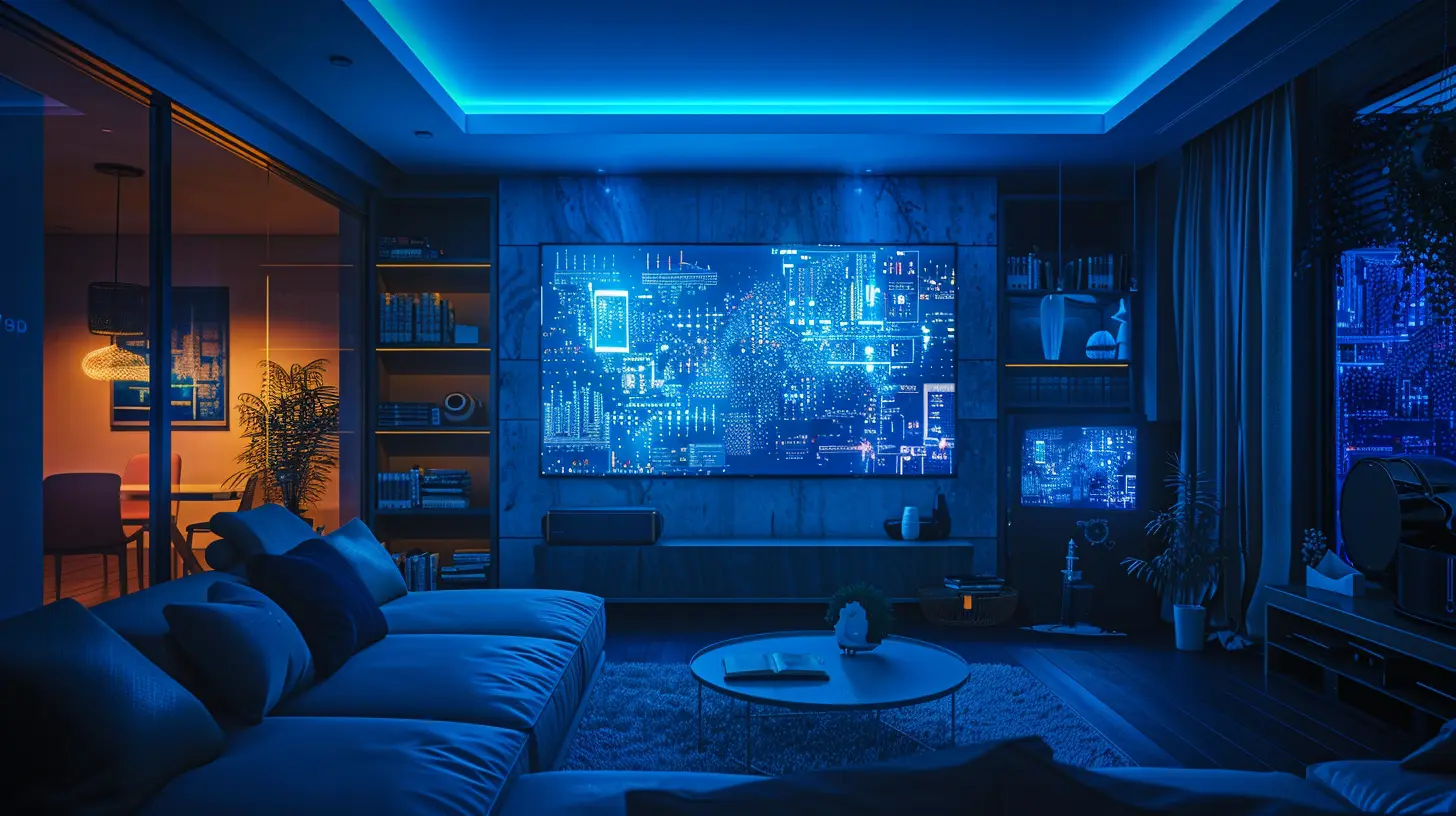
AI-powered smart TVs aren’t just the future—they're knocking on our doors. Companies like Samsung, LG, and Sony are investing heavily in AI and ML, and we can expect revolutionary advancements within the next few years.Soon, TVs won’t just entertain us; they’ll anticipate our moods, sync with our smart homes, and create immersive experiences that blur the line between reality and technology.
The question is—how smart do we really want our TVs to be? Will they enhance our entertainment experiences, or will they take over our decisions entirely? Only time will tell.
all images in this post were generated using AI tools
Category:
Smart TvsAuthor:

Jerry Graham
Discussion
rate this article
1 comments
Rachel McKittrick
The integration of AI and machine learning in smart TVs opens up exciting possibilities. Embrace the future and enjoy seamless entertainment experiences ahead!
July 21, 2026 at 12:05 PM
Jerry Graham
Absolutely! The combination of AI and machine learning is set to transform how we experience entertainment, making it more personalized and intuitive. Exciting times ahead!