The Future of Virtual Offices: Will We All Be Working in VR?
18 February 2026
The world of work is changing. Remember when remote working was once a rare perk? Now, it's a norm for millions worldwide, and the next evolution in this journey could be something straight out of a sci-fi movie — Virtual Reality (VR) offices.
Imagine skipping the daily commute, throwing on a VR headset, and stepping into a digital workspace where you can meet colleagues, collaborate on projects, and even have those infamous "water cooler" chats — all without leaving your home. So, the big question: Is VR the next big thing for remote work? Are we all about to dive into virtual environments for our nine-to-fives? Let’s explore this evolving landscape and see what the future might hold.

What is a Virtual Office?
Before we dive into the future, let’s clarify what we mean by "virtual office." Traditionally, a "virtual office" referred to a physical address or communication service, enabling businesses to appear professional without the need for physical office space. But in the context of VR, a virtual office is a fully immersive, 3D digital space where employees can work, interact with colleagues, and even attend meetings — all using VR technology.In this new kind of office, you won’t just be staring at a screen. Instead, you’ll be inside a digital representation of an office (or any environment you can imagine), moving around, interacting with virtual objects, and engaging in real-time with your coworkers. Sounds cool, right?
But how realistic is this? Will we all be strapping on VR headsets for work anytime soon? Or is this just a techy fantasy? Let’s break it down.
The Rise of Remote Work
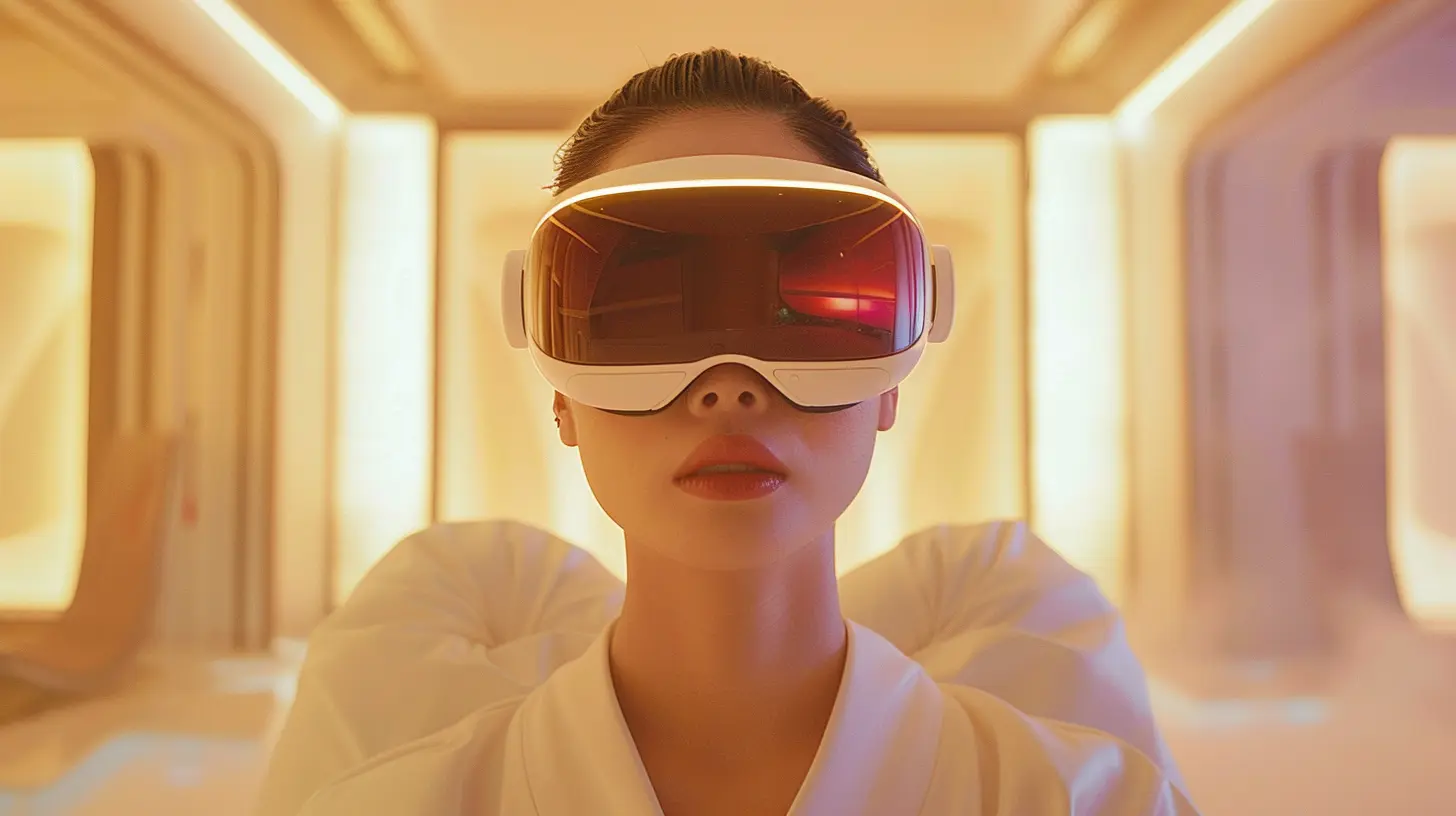
To understand the potential of VR offices, we need to first consider the massive shift towards remote work. The COVID-19 pandemic acted as a catalyst for this transformation. Companies that once resisted remote work suddenly had no choice but to adapt. Fast forward, and many organizations have realized that employees can be just as (if not more) productive when working from home.But remote work isn’t without its challenges. Loneliness, communication breakdowns, and the difficulty of collaboration are real issues for many remote workers. That’s where VR could come in, offering a hybrid solution that combines the flexibility of working from home with the engagement and interaction of a physical office.
The Transition from Zoom to VR
We’ve all become well-acquainted with Zoom meetings, Slack channels, and email threads. But let’s be honest — video calls and chat apps have their limitations. There’s only so much human connection you can get through a screen. Now, imagine hopping into a virtual conference room where you can see your colleagues as avatars, write on digital whiteboards, and even have side conversations, just like in a real office. VR could take remote work to a whole new level of interaction.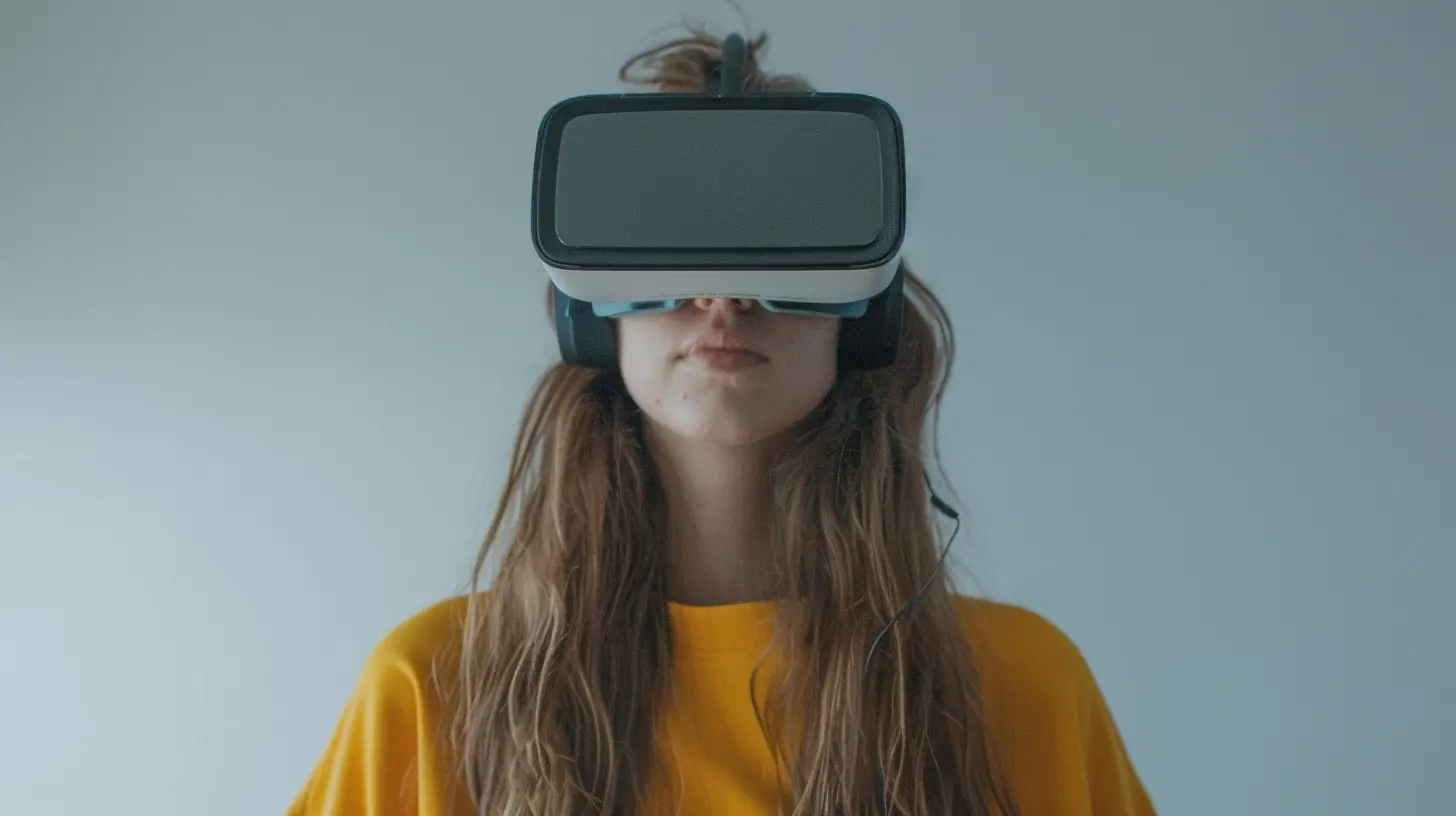
How VR Could Revolutionize the Workplace
1. Immersive Collaboration
Traditional remote work tools like Zoom, Google Meet, and Slack are effective, but they lack the immersive experience of face-to-face interaction. In a VR office, this gap could be closed. Imagine sitting around a virtual table with your team, brainstorming ideas on a 3D whiteboard, or even conducting product demos with lifelike 3D models.In fact, platforms like Spatial and Horizon Workrooms (a product of Facebook's Meta) already offer this kind of experience. You can literally feel like you're in the same room as your team, despite being miles apart. VR allows for a more natural flow of communication and collaboration, making it much easier to spark creativity and innovation.
2. Enhanced Social Interaction
One of the biggest downsides to remote work is the lack of social interaction. Sure, you can chat on Slack or have virtual happy hours, but it’s not the same as chatting by the coffee machine or sharing lunch with your coworkers. With VR, you can recreate these social moments in a virtual space.You could take a virtual break and play a quick game of ping pong, have a casual chat in a virtual lounge, or even attend a virtual office party. The possibilities are endless, and it could significantly improve the overall mental well-being of remote workers.
3. Cost Savings for Businesses
Offices are expensive to maintain. From rent to utilities, the cost of operating a physical office can be astronomical, especially in major cities. With VR offices, companies could significantly reduce these costs. There’s no need for physical space when your team can meet and work in a virtual environment.This could also open up opportunities for companies to hire talent from anywhere in the world without worrying about relocation costs or office space constraints. Your next employee could be sitting in a different country, but in the virtual office, they'd be right next to you.
4. Accessibility and Inclusivity
Another huge advantage of VR offices is their potential to be more inclusive. Traditional offices can sometimes be limiting for people with disabilities or those who struggle with commuting. In a virtual office, everyone starts on equal footing. Plus, VR environments can be customized to suit the needs of individual workers, making it easier to create an accessible and comfortable workspace for everyone.5. Training and Skill Development
Training new employees or upskilling your current team can be a challenge in a remote environment. Enter VR. Through virtual simulations, employees can be trained in a highly realistic, interactive environment. Whether it's walking through a product demonstration, practicing customer interactions, or learning how to use a new piece of equipment, VR offers a hands-on learning experience that can be far more effective than traditional methods.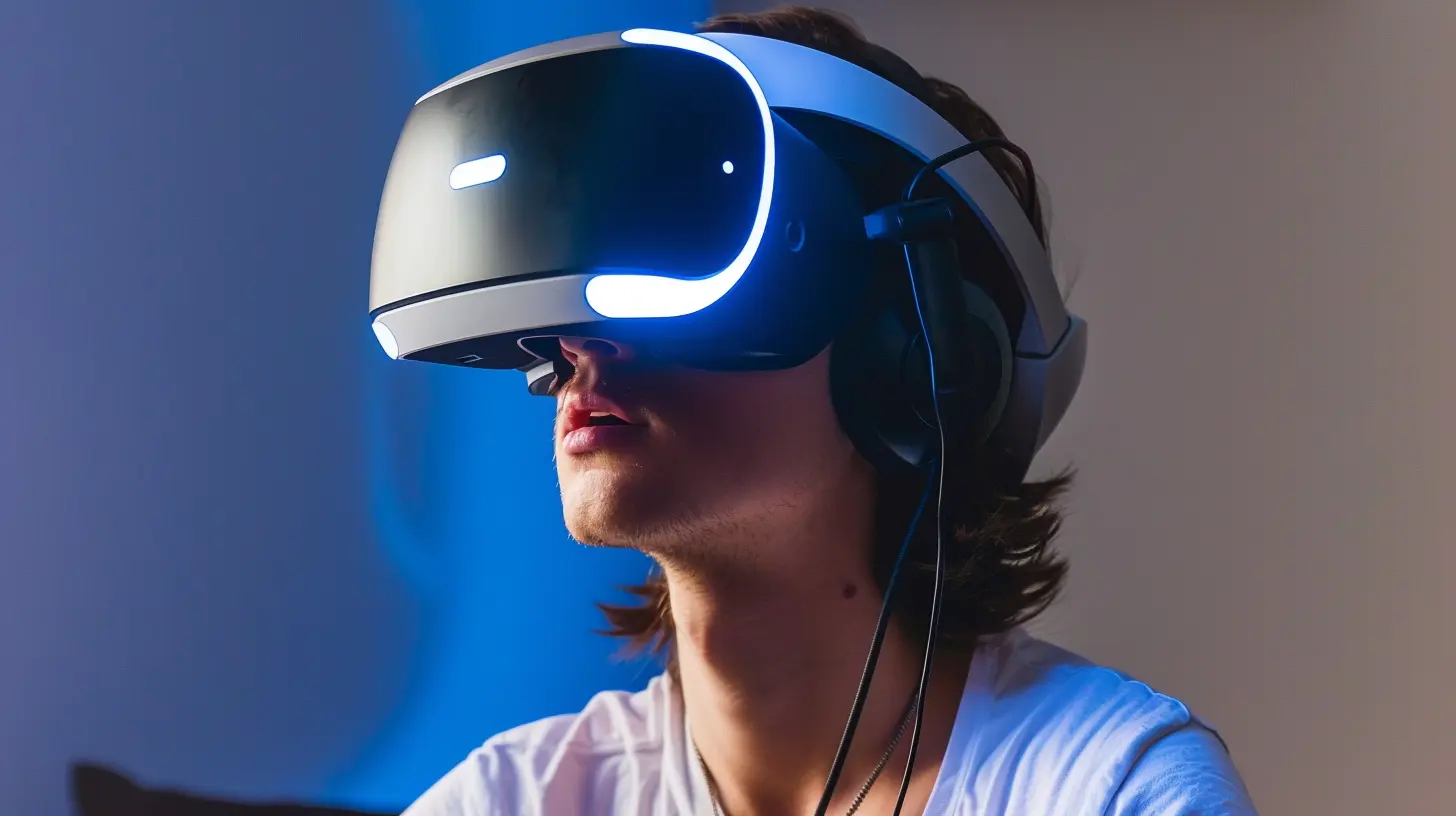
The Challenges of VR Offices
Of course, there are some hurdles to overcome before we all start working in VR. Let’s not get too ahead of ourselves.1. Cost and Accessibility
VR headsets are still relatively expensive, and while prices have dropped over the years, they’re not quite at a point where every employee can be issued one as standard equipment. Plus, there are concerns about whether everyone will have the necessary internet speed and tech setup to handle a VR office.2. User Fatigue
Anyone who’s tried VR will tell you that it’s an awesome experience, but it can also be physically draining. Wearing a headset for long periods can cause discomfort, eye strain, and even motion sickness for some people. This means that while VR could be a great addition to remote work, it’s unlikely to replace traditional methods entirely — at least not yet.3. Learning Curve
Not everyone is tech-savvy, and the idea of working in a virtual environment might feel intimidating to some. While VR platforms are becoming more user-friendly, there’s still a learning curve involved. Companies will need to invest in training and support to help their teams adapt to this new way of working.4. Security and Privacy Concerns
Just like with any digital platform, security is a major concern. How do we ensure that sensitive information shared in a virtual office stays protected? Companies will need to invest in robust cybersecurity measures to prevent data breaches, especially as more work shifts into these virtual environments.Will We All Be Working in VR Soon?
So, back to the big question: Will we all be working in VR in the near future? The short answer: probably not all of us, at least not right away.While VR offices offer exciting possibilities, they’re not without their challenges. But as technology continues to evolve, it’s highly likely that VR will become a more prominent feature of the workplace. Maybe not as an all-day, every-day solution, but as a tool for collaboration, training, and social interaction.
In fact, some industries are already embracing VR for specific tasks. Architects and designers are using VR to walk through virtual models of buildings. Surgeons are practicing procedures in VR environments. And remote teams are using VR to collaborate on projects in a way that feels much more natural than traditional video calls.
But for most of us, the future might look more like a hybrid approach. We’ll combine VR with our existing tools — using it for specific tasks where it makes sense, while still falling back on good old-fashioned Zoom calls and Slack messages for day-to-day communication.
Is VR the Future of Work?
VR has the potential to reshape the way we work in profound ways. But just like with any new technology, it’s going to take time for it to become mainstream. The future of work will likely be a blend of different tools and technologies, with VR playing a key role in enhancing collaboration, creativity, and social interaction.But one thing’s for sure — the future of the office is going to look very different from what we’re used to. And whether we’re working in physical offices, from our living rooms, or in virtual environments, the most important thing is that we continue to find new ways to connect, collaborate, and create together.
all images in this post were generated using AI tools
Category:
Virtual RealityAuthor:

Jerry Graham
Discussion
rate this article
2 comments
Vireo Stone
As technology advances, virtual offices may redefine work environments. However, the success of VR in professional settings will depend on usability, team dynamics, and effective collaboration tools.
February 23, 2026 at 11:40 AM
Jerry Graham
Absolutely, the future of virtual offices hinges on user-friendly technology, strong team dynamics, and effective collaboration tools to truly enhance remote work experiences.
Aurelia Alvarez
Great insights on the potential of virtual offices! While the technology is exciting, it's important to consider the human element and how it affects collaboration and connection in the workplace. Looking forward to the future!
February 18, 2026 at 3:41 AM
Jerry Graham
Thank you! You're absolutely right—the human element is crucial for collaboration and connection, even in a virtual environment. Excited to see how this evolves!