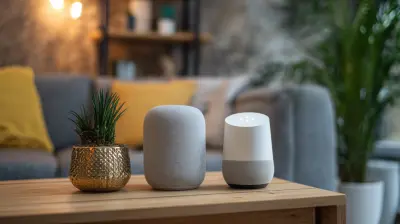
The Rise of Voice Commerce and Its Impact by 2026
25 April 2026
You’re sitting on your couch, hands full of popcorn, and you suddenly realize you’re out of laundry detergent. Do you reach for your phone, swipe open an app, and type? Or do you just mutter, “Hey, order more detergent,” and let your smart speaker handle it? If you chose the latter, you’re not alone. Welcome to the quiet revolution of voice commerce—a shift so subtle, yet so seismic, that by 2026, it might just change how every single one of us spends money.
I’m not here to sell you hype. I’m here to dig into the real, gritty, and sometimes messy rise of voice commerce. Think of it as the awkward teenage phase of e-commerce—full of potential, a bit clumsy, but destined to grow up fast. By 2026, experts predict voice shopping will hit over $80 billion in the U.S. alone. That’s not pocket change. That’s a whole new economy spoken into existence.
But let’s be honest: voice commerce today is still clunky. You’ve tried it, right? You ask for “organic almond milk,” and Alexa brings you a 12-pack of soda. Frustration ensues. So how do we get from “oops, wrong order” to seamless, trust-driven voice shopping? And what does that mean for businesses, marketers, and you? Buckle up—we’re going deep.
What Exactly Is Voice Commerce? (And Why Should You Care?)
Let’s strip away the jargon. Voice commerce is simply using your voice—via smart speakers, phones, or even cars—to research, order, and pay for products. It’s not a futuristic fantasy; it’s happening right now. Think of it as the love child of e-commerce and natural language processing. But unlike its text-based parent, voice commerce is intimate. You’re talking to a machine like it’s a personal assistant.Why should you care? Because by 2026, over half of all U.S. households will own a smart speaker. That’s not just a gadget; it’s a shopping portal in every kitchen, bedroom, and living room. And here’s the kicker: voice commerce isn’t just about convenience—it’s about reducing friction. The fewer steps between wanting something and getting it, the more we buy. It’s like having a genie, but instead of three wishes, you get unlimited Prime deliveries.
The Current State of Voice Commerce: A Messy Middle
Let’s not sugarcoat it. Voice commerce today is like a teenager learning to drive—lots of enthusiasm, but plenty of near-misses. According to a 2023 survey, only about 20% of smart speaker owners have actually made a purchase via voice. The rest use it for music, weather, or timers. Why? Trust issues.You see, voice shopping suffers from what I call the “invisible cart problem.” When you type an order, you see the items, prices, and shipping details. When you speak, it’s a black box. You don’t know if you’re getting the right size, color, or brand. Add in the horror stories of “accidental orders” (yes, your toddler can order a $200 dollhouse), and you get hesitation.
But here’s the twist: by 2026, that’s going to change. Not because the technology magically perfects itself, but because companies are finally investing in contextual intelligence. Imagine telling your speaker, “Order the same coffee I bought last month,” and it knows exactly which roast, grind, and subscription you mean. That’s the sweet spot.
The Tech Driving the Voice Commerce Boom (It’s Not Just AI)
We hear a lot about AI, but the real engine behind voice commerce is a trio of technologies: natural language processing (NLP), machine learning, and voice biometrics. Think of NLP as the translator—it turns your mumbled “uh, get me that thing” into structured data. Machine learning is the brain—it learns your preferences over time. And voice biometrics? That’s the bouncer at the club—verifying it’s really you, not your mischievous parrot.By 2026, these technologies will be so embedded that you won’t even notice them. For example, Amazon’s Alexa will likely use “voice signatures” to recognize individual family members. So when you say “order milk,” it gets the oat milk you love. When your partner says it, they get the whole-fat dairy. One speaker, multiple shoppers. That’s personalization on steroids.
But here’s the underrated driver: 5G and edge computing. Voice commands need to be processed fast—like, sub-second fast. With 5G’s low latency and edge servers that compute locally, the “uhh… I didn’t catch that” moments will become rare. By 2026, voice shopping will feel as instant as thinking.
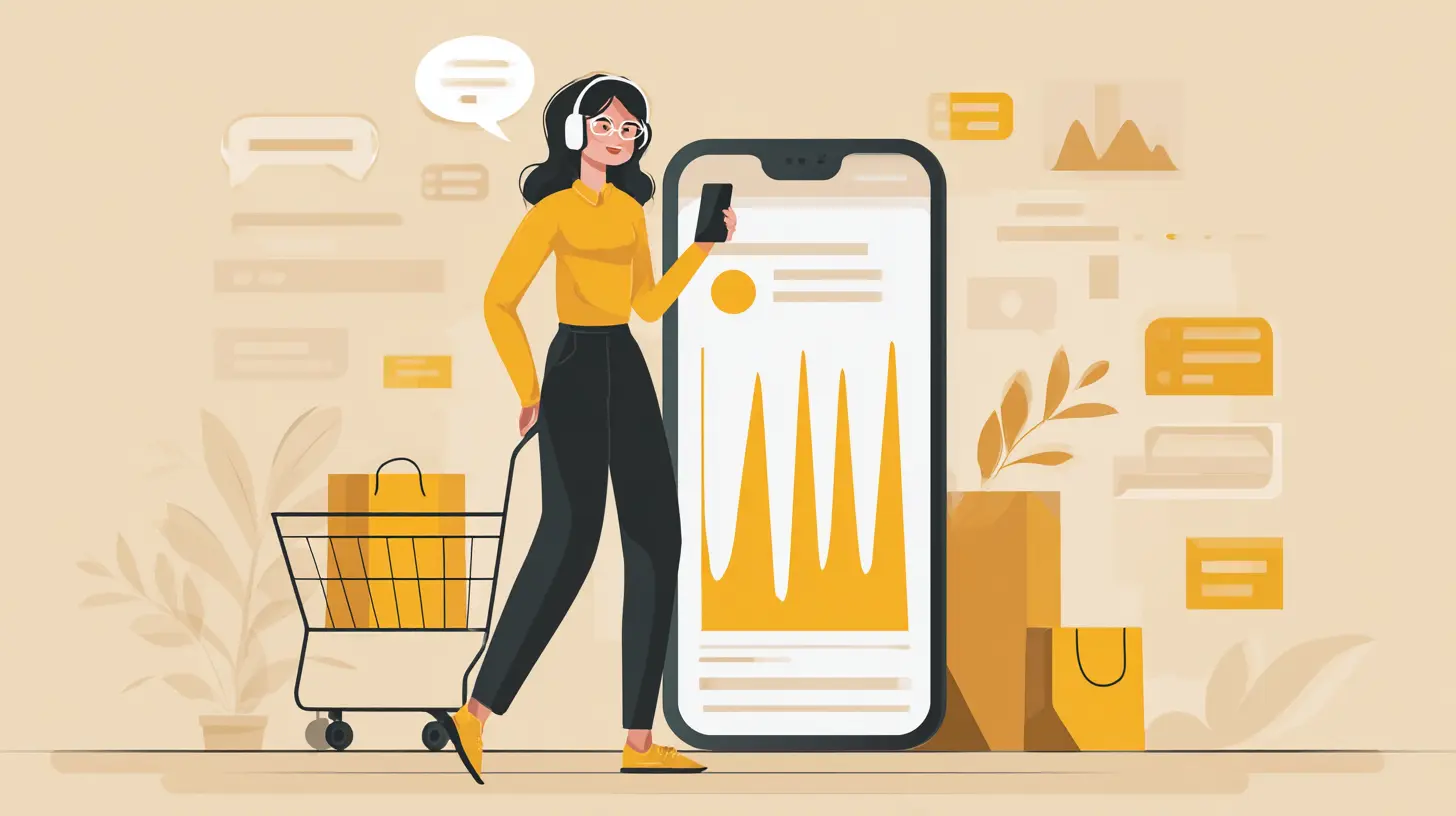
The Consumer Psychology: Why We’re Finally Ready to Talk to Our Devices
Let’s get psychological for a moment. Humans are social creatures. We evolved to communicate with sounds. So why did we ever prefer typing? Because typing is precise, and talking is messy. But here’s the shift: we’re now comfortable being messy with machines.Remember the first time you yelled at Siri? It felt weird. Now? It’s second nature. By 2026, that comfort will morph into dependency. Voice commerce taps into something called “cognitive ease”—the brain’s preference for low-effort tasks. Talking is easier than typing. Speaking is faster than scrolling. And when you add in the dopamine hit of instant gratification (voice order, arrive tomorrow), you’ve got a behavioral loop that’s hard to break.
But there’s a darker side: impulse buying. Voice commerce makes it too easy to say “yes.” Imagine you’re cooking, your hands are messy, and you say, “Add garlic powder to cart.” That’s fine. But what about “Add that expensive kitchen gadget I saw on Instagram”? Without visual confirmation, you might end up with buyer’s remorse. By 2026, expect smart speakers to have “cooling-off” prompts: “Are you sure you want to spend $150 on a garlic press that looks like a robot?”
The Impact on Businesses: Winners, Losers, and the New Rules
For businesses, voice commerce is a double-edged sword. It’s a goldmine for some and a graveyard for others. Let’s break it down.Winners:
- Brands with strong voice SEO: If your product isn’t the first result when someone says “best running shoes,” you’re invisible. Voice queries are conversational, not keyword-stuffed. By 2026, businesses that optimize for phrases like “find a durable yoga mat under $50” will dominate.
- Subscription services: Voice is perfect for replenishment. “Order my usual” is the new “add to cart.” Think coffee, pet food, toilet paper.
- Local businesses: Voice search is heavily local. “Find a plumber near me” or “order pizza from that place on Main Street” will drive foot traffic.
Losers:
- Brands with complex product lines: If you sell 50 shades of red lipstick, voice is a nightmare. How do you specify shade #42? By 2026, voice interfaces will need to handle visual confirmation via screens (think Echo Show or smart glasses). But until then, complex products lose.
- Generic retailers: Voice commerce favors platforms (Amazon, Walmart) over individual stores. Unless you have a strong brand recall, you’ll be fighting for scraps.
New Rules:
- Voice-first design: Your website and app must be optimized for voice. That means simple navigation, clear product names, and fast load times.
- Conversational marketing: Instead of ads, think “skills” or “actions.” For example, a coffee brand could create a skill that says, “Good morning! Want your usual brew?” That’s engagement, not interruption.
- Privacy as a feature: Voice commerce collects intimate data—your routines, preferences, even your tone when you’re angry. By 2026, brands that transparently manage data (opt-in, clear deletion policies) will earn trust. Those that don’t? They’ll be ghosted.
The Impact on You: The Consumer’s New Reality
Let’s talk about you. By 2026, your relationship with shopping will be radically different. Here’s what to expect:1. The End of “Browsing”
Voice commerce is goal-oriented. You don’t browse; you command. This means serendipitous discovery—finding something you didn’t know you wanted—will decline. But AI will fill that gap with proactive suggestions. Imagine your speaker saying, “I noticed you’re low on coffee. Want me to reorder, or try a new Ethiopian roast?” That’s discovery via conversation.
2. The Rise of Voice-Only Brands
We’ll see startups that exist only on voice platforms. No website, no app. You interact with them via skill or routine. Think of it as the “direct-to-consumer” model, but spoken. By 2026, a brand might launch a new energy drink solely through Alexa, using voice ads and one-click reordering.
3. The Privacy Trade-Off
You’re trading convenience for data. Every “Alexa, buy more paper towels” teaches the machine about your household size, consumption rate, and brand loyalty. By 2026, expect legislation (like the EU’s AI Act) to force transparency. You’ll see a pop-up: “This skill uses your purchase history to suggest products. OK?” Most of us will say “OK” because, well, we’re lazy.
The Dark Side: Voice Commerce’s Hidden Risks
Let’s be critical. Voice commerce isn’t all sunshine and rainbows. There are real risks that by 2026, we’ll be grappling with:- Voice Phishing (Vishing): Imagine a scammer mimics your bank’s voice assistant and asks you to “verify your account.” Voice biometrics can be spoofed. By 2026, we’ll need advanced liveness detection (like asking you to say a random phrase) to prevent fraud.
- The Accessibility Gap: Voice commerce is a boon for people with disabilities—until it isn’t. If systems only understand standard English or certain accents, they exclude millions. By 2026, inclusivity must be baked in, not bolted on.
- The “Always Listening” Creep Factor: Your speaker hears everything. Even if it’s not recording, the perception of surveillance is real. By 2026, we might see a backlash—a “digital detox” movement where people purposely unplug voice devices.
What 2026 Will Actually Look Like: A Day in the Life
Let’s paint a picture. It’s 2026. You wake up and say, “Good morning.” Your speaker replies, “Your usual coffee is brewing. By the way, your favorite running shoes are on sale for $20 off. Want to order?” You mumble “yes” while brushing your teeth. The shoes arrive by 5 PM.Later, you’re driving home and say, “Get pizza from Luigi’s.” The car’s assistant confirms the order, adds your usual toppings, and charges your card. You don’t even look at a screen.
That night, you say, “Order a birthday gift for Mom—something under $50, recommended.” The AI cross-references her past purchases, your budget, and current deals. It says, “How about a personalized mug? $29.99. Confirm?” You say “yes.” The gift ships directly to her.
Notice what’s missing? Carts, clicks, scrolling, passwords. That’s the promise of voice commerce by 2026: frictionless, intuitive, and eerily personal.
How to Prepare for the Voice Commerce Wave (For Brands and Consumers)
If you’re a business owner, start now. Optimize your product titles for voice search—use natural phrases. Build a voice skill that solves a problem, not just sells. Test your checkout flow with voice. And above all, collect data ethically.If you’re a consumer, embrace it but stay sharp. Enable voice purchasing only when you’re sure of security. Review your purchase history monthly. And remember: you’re in control. The machine works for you, not the other way around.
The Final Word: Voice Commerce Isn’t a Trend—It’s a Shift
By 2026, voice commerce won’t be a novelty; it’ll be a default. Just as we stopped marveling at tapping a screen to order pizza, we’ll stop thinking about speaking to buy. The real impact? It’ll democratize shopping. It’ll make commerce accessible to the elderly, the disabled, and the time-starved. But it’ll also challenge our notions of privacy, impulse, and intentionality.So, will you be ready? Or will you be the person still typing while everyone else talks? The choice is yours—but the clock is ticking. And by 2026, your voice might be the most valuable thing you own.
all images in this post were generated using AI tools
Category:
E Commerce TechnologyAuthor:

Jerry Graham
Discussion
rate this article
2 comments
Foster McFarland
Concise analysis. By 2026, voice commerce will likely thrive on convenience, but security and privacy hurdles remain critical.
April 30, 2026 at 4:36 AM
Jerry Graham
Thanks for your insights. You're right-while convenience will drive growth, addressing security and privacy is essential for trust in voice commerce.
Georgina McTiernan
This article highlights a transformative trend in retail that’s reshaping our shopping experiences. Embracing voice commerce can unlock new opportunities for businesses and consumers alike. Excited to see how innovation will further enhance our interactions by 2026!
April 27, 2026 at 3:14 AM
Jerry Graham
I appreciate your insight! Voice commerce truly has the potential to revolutionize shopping experiences. Exciting times ahead!