How AI Will Reshape E-Commerce by 2026
3 May 2026
Let me guess. You've been hearing about AI for years now. "AI this, AI that." It's been the buzzword du jour for so long that your eyes probably glaze over when you see it. But here's the thing: by 2026, AI isn't going to be a buzzword anymore. It's going to be the guy running the entire circus. And e-commerce? It's about to get a total makeover, whether you're ready or not.
I'm not talking about those clunky chatbots that couldn't tell a shoe from a toaster. I'm talking about a full-blown transformation that will make today's online shopping experience look like a clunky 1990s GeoCities page. So grab your coffee, settle in, and let's talk about how AI is going to reshape e-commerce by 2026. Spoiler: it's going to be wild.
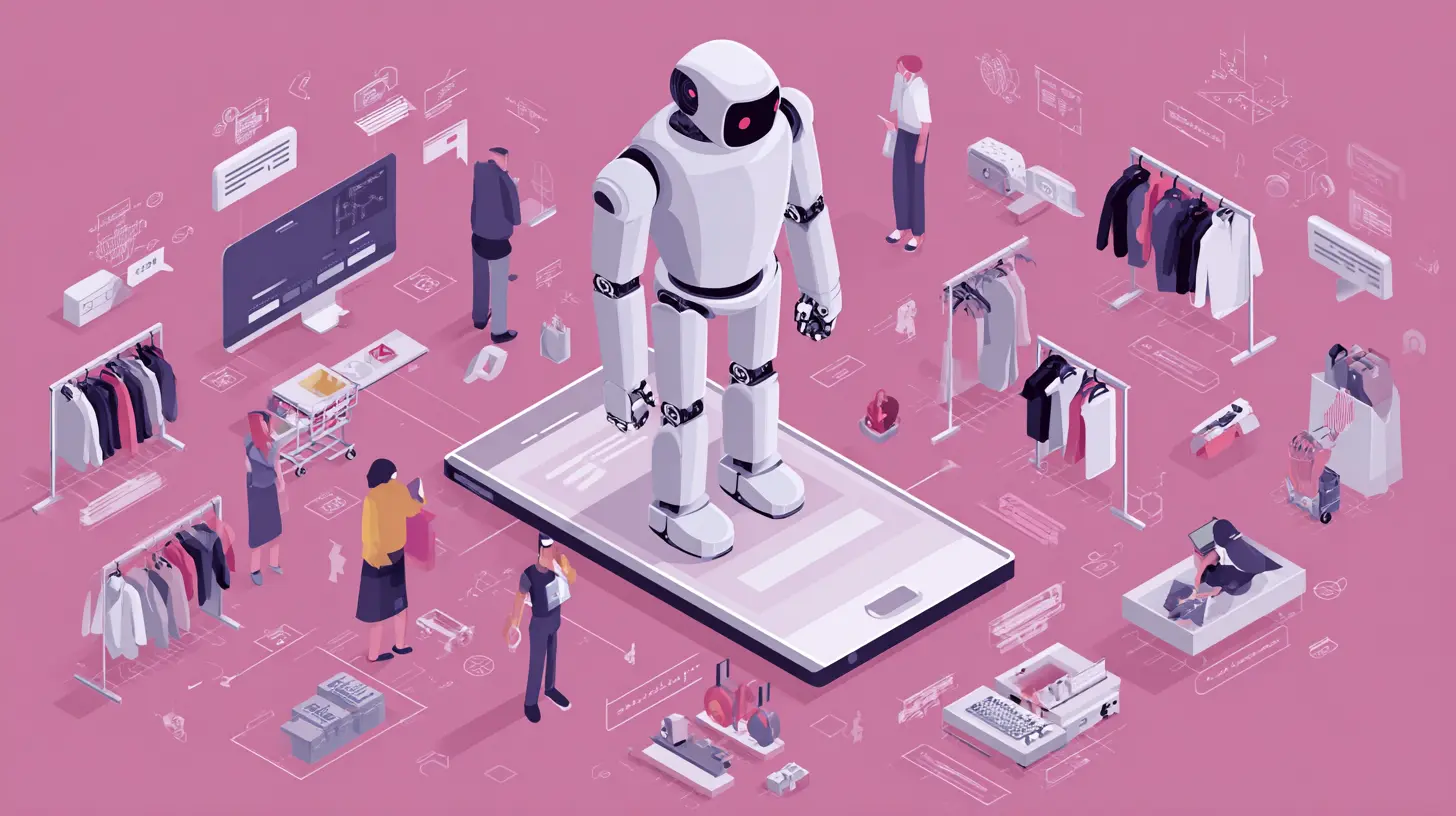
The Death of "One Size Fits All" Shopping
Remember when personalization meant a generic email that said "Hey [Name], check out our sale!"? That's about as personal as a dentist's drill. By 2026, AI is going to obliterate that lazy approach. We're talking hyper-personalization that makes your current Netflix recommendations look like a toddler's drawing.Here's the thing: AI doesn't just look at what you bought last week. It analyzes your browsing speed, the way you hover over images, the time of day you shop, your emotional state based on typing patterns, and even the weather in your area. Yes, the weather. If it's raining in Seattle, the AI knows you're probably not in the market for a new hammock. It'll show you cozy sweaters and waterproof boots instead.
By 2026, every single product page will be dynamically generated just for you. The colors, the copy, the images, even the price might shift based on what the AI knows about your spending habits. It sounds creepy, sure. But it also means you'll stop wasting time scrolling through 300 pages of stuff you don't want. The AI will show you exactly what you need before you even know you need it. That's not just smart. That's scary good.
No More Returns (Well, Way Fewer)
Returns are the ugly stepchild of e-commerce. They cost retailers billions every year, and they frustrate the hell out of customers. You order a dress, it looks amazing online, you try it on, and suddenly you look like a potato wrapped in fabric. Back it goes.AI is coming for that problem with a vengeance. By 2026, AI-powered virtual try-ons will be so good that you'll know exactly how that dress fits before you click "buy." We're not talking about those gimmicky AR filters that make your face look like a cartoon. We're talking about full-body scanning through your phone camera that maps your exact measurements, combined with AI that understands fabric behavior, stretch, and drape.
Imagine this: you point your phone at yourself, the AI builds a 3D model of your body, and then it shows you how that dress moves when you walk, sit, and dance. It'll even tell you, "Hey, this runs small in the bust, size up." No more guessing. No more ordering three sizes and returning two. That's going to save billions in shipping and waste. And honestly, it's about time.
Chatbots That Actually Don't Suck
Let's be real for a second. Current chatbots are the worst. They can't understand your question, they give you useless answers, and you end up screaming "AGENT!" at your screen like a lunatic. By 2026, those days are over.The new generation of AI chatbots, powered by large language models, will actually understand context, tone, and nuance. You can type "I need a gift for my mom who hates everything and has a cat" and the AI will not only understand the sarcasm, it'll recommend a cat-themed throw blanket that she'll actually pretend to like. It'll remember your previous conversations, your past purchases, and even your mom's birthday. It won't just answer questions. It'll have a personality. It'll joke with you. It'll push back if you're being unreasonable.
And here's the kicker: these chatbots won't just handle customer service. They'll handle the entire shopping journey. They'll guide you through product discovery, compare options, negotiate prices, and even handle the checkout process. By 2026, you might never talk to a human customer service rep again. And honestly, if the AI is good enough, you won't miss them.
Dynamic Pricing That Makes You Question Reality
You already know that airlines and hotels change prices based on demand. But by 2026, AI will take dynamic pricing to a level that feels almost psychic. Every product on every e-commerce site will have a constantly shifting price tag, adjusted in real-time based on your browsing history, your location, the time of day, your device type, and even your willingness to pay.Think about that. The price you see for a pair of sneakers might be different from what your neighbor sees. The AI knows you've been eyeing those sneakers for three weeks. It knows you checked out three times and abandoned the cart. It knows you're more likely to buy on a Tuesday night after 9 PM. So it'll offer you a discount at exactly the right moment to push you over the edge.
Is it fair? No. Is it effective? Absolutely. Retailers will make more money, and you'll feel like you "won" by getting a deal. It's a psychological game, and AI is the master player. By 2026, you'll never trust a "sale" price again. And that's exactly the point.
The Rise of AI-Generated Product Listings
Writing product descriptions is a slog. I know because I've done it. You have to describe the same black T-shirt in 50 different ways. "Classic fit. Soft cotton. Breathable." Ugh. By 2026, AI will generate every single product listing on the internet. And it won't be boring.AI will analyze customer reviews, social media mentions, and trending keywords to write descriptions that actually sell. It'll know that "cozy" works better than "warm" for a hoodie aimed at Gen Z. It'll know that "sustainable" is a must for eco-conscious buyers but a turn-off for budget shoppers. It'll write multiple versions of the same product for different audiences. And it'll A/B test them automatically to see which one converts better.
Images too. AI will generate product photos from scratch. No more expensive photoshoots. No more models. Just a few clicks and you have a photorealistic image of your product in any setting you want. Beach, office, moon base. Whatever. By 2026, the line between real and AI-generated will be so blurry that you won't know what's authentic anymore. And honestly, you might not care.
Search That Actually Understands What You Want
Current search on most e-commerce sites is garbage. You type "blue dress" and it shows you everything from cocktail gowns to swimsuit cover-ups. It's like asking for a specific tool at a hardware store and getting handed a pile of random screws.By 2026, AI-powered visual and semantic search will change everything. You'll be able to upload a photo of a sweater you saw on a stranger in a coffee shop, and the AI will find it for you. Or you'll type "something fancy but not too fancy for a wedding that's outdoors and might be cold" and the AI will understand exactly what you mean. It'll parse your intent, not just your keywords.
Voice search will also get a massive upgrade. You'll be able to say, "Hey, find me a waterproof jacket under $200 that doesn't look like I'm about to climb Everest" and the AI will nail it. No more shouting at your smart speaker while it plays random ads. Just clean, accurate results.
Inventory Management That Predicts the Future
On the backend, AI is going to make supply chains look like they have a crystal ball. By 2026, AI will predict demand with uncanny accuracy. It'll know that a certain viral TikTok video will cause a spike in demand for fanny packs two days before it happens. It'll automatically adjust orders, warehouse allocations, and shipping routes.This means fewer "out of stock" messages. Fewer "your package is delayed" emails. Faster delivery times. And less waste. AI will even predict returns before they happen, so retailers can prepare for them. It's like having a team of psychic logistics experts, but cheaper and faster.
For small businesses, this is a game-changer. They'll have access to the same predictive tools that used to be reserved for Amazon and Walmart. They'll be able to compete on speed and availability, not just price. The playing field is about to get a lot more level.
The Trust Problem (And How AI Solves It)
Let's be honest. People don't trust online shopping completely. Fake reviews, counterfeit products, shady sellers. It's a minefield. By 2026, AI will become the ultimate referee.AI will analyze reviews for authenticity. It'll spot patterns that indicate fake reviews, like a bunch of accounts that were created on the same day or use similar language. It'll flag products that have suspiciously high ratings. It'll even verify seller identities through blockchain and AI-driven background checks.
And for you, the buyer, AI will generate trust scores for every product and seller. You'll see a little "verified" badge that's actually backed by real data, not just a paid subscription. It'll feel safer to buy from strangers, which means more options for you and more sales for honest sellers.
The Downside (Because There's Always a Downside)
Alright, I'm not going to pretend this is all sunshine and rainbows. By 2026, AI will also create some serious problems. Job displacement is a big one. Customer service reps, copywriters, photographers, and even some supply chain managers are going to find their roles automated. That's going to hurt.There's also the privacy issue. AI that knows your exact measurements, your emotional state, and your willingness to pay? That's a lot of data. And data gets hacked. By 2026, we're going to see some massive AI-related privacy scandals that make the Cambridge Analytica thing look like a parking ticket.
And let's not forget the potential for manipulation. AI that can push your psychological buttons to make you buy things you don't need? That's not convenience. That's addiction. We're going to have to have some serious conversations about ethics, regulation, and digital well-being.
What This Means for You (The Shopper)
If you're a regular online shopper, get ready for a smoother, faster, and more personalized experience. You'll spend less time searching and more time buying. You'll return fewer items. You'll get better deals. But you'll also be tracked, analyzed, and manipulated in ways that feel almost too personal.The key is to stay aware. Use the tools, enjoy the convenience, but don't let the AI run your life. Remember that you're the customer, not the product. Well, actually, you're both. But that's a conversation for another day.
What This Means for Businesses
If you're running an e-commerce business, 2026 is the year you either adapt or die. The small players who embrace AI will eat the lunch of the big players who don't. You need to invest in AI tools for personalization, customer service, inventory, and marketing. You need to hire people who understand AI, not just people who can write code. You need to think about data privacy as a competitive advantage, not a burden.The businesses that win in 2026 will be the ones that use AI to make their customers feel understood, not stalked. There's a fine line, and you need to walk it carefully.
The Bottom Line
AI is going to reshape e-commerce by 2026 in ways that are both thrilling and terrifying. The shopping experience will become almost magical in its ability to predict what you want. But it will also become more intrusive, more automated, and more impersonal in some ways.The question isn't whether AI will change e-commerce. It will. The question is whether we'll use it to make shopping better for everyone, or just to squeeze more money out of every click.
I'm betting on the former, because I'm an optimist. But I'm also keeping my eyes wide open. And you should too.
all images in this post were generated using AI tools
Category:
E Commerce TechnologyAuthor:

Jerry Graham
Discussion
rate this article
2 comments
Jonah Stevens
By 2026, AI will know what you want before you even realize you're hungry for pizza... again!
May 6, 2026 at 2:42 AM
Jerry Graham
Sounds intriguing! AI's predictive capabilities could really change our shopping habits. Can't wait to see how it develops.
Selkie McWain
AI will revolutionize e-commerce by personalizing shopping experiences, optimizing supply chains, and enhancing customer service. Businesses that embrace these changes will thrive, while those that resist risk falling behind in an increasingly competitive landscape.
May 5, 2026 at 3:19 AM
Jerry Graham
Absolutely agree. The potential of AI in e-commerce is immense and adapting quickly will be key for businesses to stay ahead. Exciting times ahead!