The Tools Freelancers Will Rely On Most by 2026
27 April 2026
Let’s be honest: freelancing in 2024 feels a bit like trying to build a sandcastle while the tide is coming in. You’ve got your laptop, your coffee, and a mountain of to-do lists, but the tools you use today might be as relevant as a fax machine by the time 2026 rolls around. So, what’s a solo warrior to do? You don’t have a corporate IT department to hand you a shiny new software suite. You’ve got your wits, your hustle, and—if you’re smart—a toolkit that doesn’t just keep up with the future but laughs in its face.
I’ve been freelancing long enough to remember when “cloud computing” meant hoping your external hard drive didn’t crash. Now, we’re on the cusp of a revolution where AI, automation, and hyper-specialization are colliding. By 2026, the freelancers who thrive won’t be the ones with the most talent—they’ll be the ones with the smartest tools. But not just any tools. We’re talking about the digital Swiss Army knives that make you look like a one-person agency, minus the overhead and the office politics.
So, grab a coffee (or tea, I don’t judge), and let’s dive into the tools that will become your lifelines, your sidekicks, and possibly your new best friends. Because by 2026, if you’re not using them, you’re basically rowing a boat while everyone else has a jet ski.
The AI Writing Assistants That Actually Get You
Remember when AI writing tools were the equivalent of a robot trying to write a love poem? Stiff, awkward, and full of phrases like “leveraging synergies.” Yeah, those days are dying fast. By 2026, AI writing assistants won’t just be grammar checkers—they’ll be co-writers who understand your voice, your tone, and even your sarcasm.Tools like Jasper and Copy.ai are already evolving beyond templates. They’re learning context. Imagine typing “Write an email to a client who’s late on payment, but make it funny and not passive-aggressive.” The AI will draft something that sounds like you, not a corporate drone. But the real game-changer? Personalized AI models. By 2026, you’ll be able to train an AI on your past 500 articles or emails, so it mimics your quirks—like how you overuse em dashes or start sentences with “Look.” It’s like having a clone, but one that doesn’t steal your snacks.
Why does this matter? Because freelancers spend 30% of their time on admin and writing. That’s time you could spend actually, you know, living. These tools won’t replace you; they’ll handle the grunt work so you can focus on the creative heavy lifting. And let’s face it: sometimes you just need a first draft that doesn’t sound like a robot having a stroke.
Project Management Tools That Don’t Make You Want to Scream
I’ve used Trello, Asana, ClickUp, and about seventeen other project management tools that promised to “streamline my workflow” but actually just gave me another login to forget. By 2026, the winners will be the ones that feel less like a spreadsheet and more like a personal assistant.Enter Notion and Monday.com—but with a twist. The future of project management for freelancers is AI-driven prioritization. Imagine a tool that looks at your deadlines, your energy levels (yes, by tracking your typing speed and breaks), and your client history, then says, “Hey, you should work on that design project now because you’re in a creative flow, and save the invoicing for later.” It’s like having a virtual project manager who actually cares about your burnout.
But the killer feature? Hyper-integration. By 2026, your project management tool will talk to your calendar, your email, your invoicing software, and even your sleep tracker (because let’s be real, that 2 AM deadline push is a bad idea). No more copy-pasting tasks. No more “I forgot to update the status.” It’ll all sync like a well-choreographed dance, leaving you to just… do the work.
And for the love of all things holy, these tools will finally have offline mode that doesn’t suck. Because nothing kills a freelancer’s vibe like losing internet access on a train and having zero access to your task list.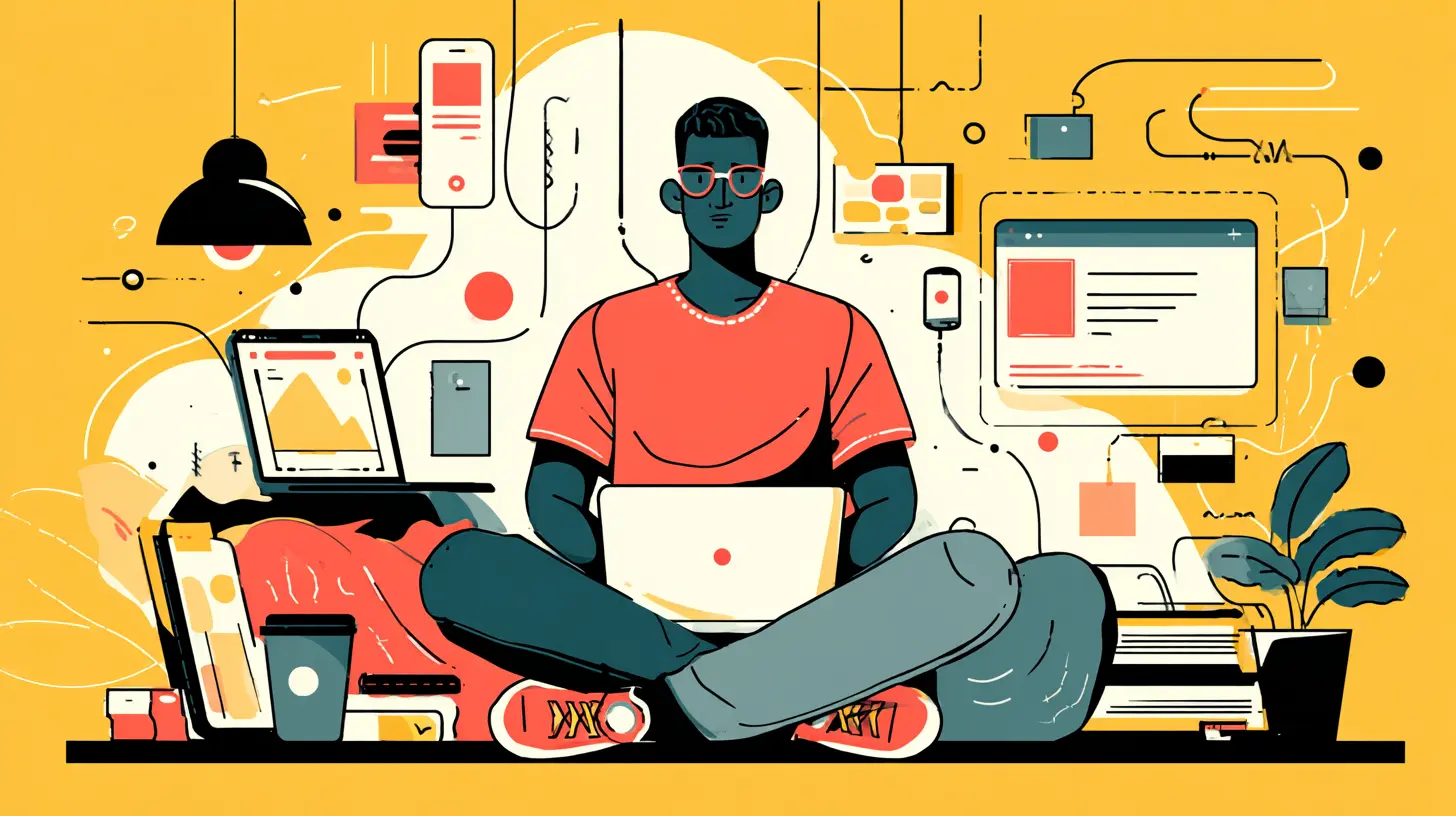
The Rise of “No-Code” and “Low-Code” Platforms
I’m not a coder. I can barely write a line of HTML without breaking something. But by 2026, that won’t matter. No-code tools like Bubble, Webflow, and Zapier are already democratizing tech, but they’re about to get a serious upgrade.Picture this: You need a custom client portal where clients can upload files, see their project status, and pay you—all without you hiring a developer. By 2026, you’ll be able to build that in an afternoon using drag-and-drop interfaces powered by AI that suggests layouts based on your industry. “Oh, you’re a freelance graphic designer? Here’s a template for a portfolio portal that includes a revision tracker and a mood board.” It’s like having a junior developer in your pocket, but one who doesn’t ask for equity.
The real magic, though, is automation chains. Zapier already connects apps, but future versions will be predictive. If a client pays late, the tool will automatically send a friendly reminder, update your cash flow spreadsheet, and even reschedule your next project start date. No more manual “Did they pay?” anxiety. It’s the kind of peace of mind that makes you wonder why you didn’t switch earlier.
And here’s the kicker: these platforms will be so intuitive that your grandma could build a booking system for her knitting business. That’s the level of accessibility we’re talking about. Freelancers will finally own their tech stack without needing a degree in computer science.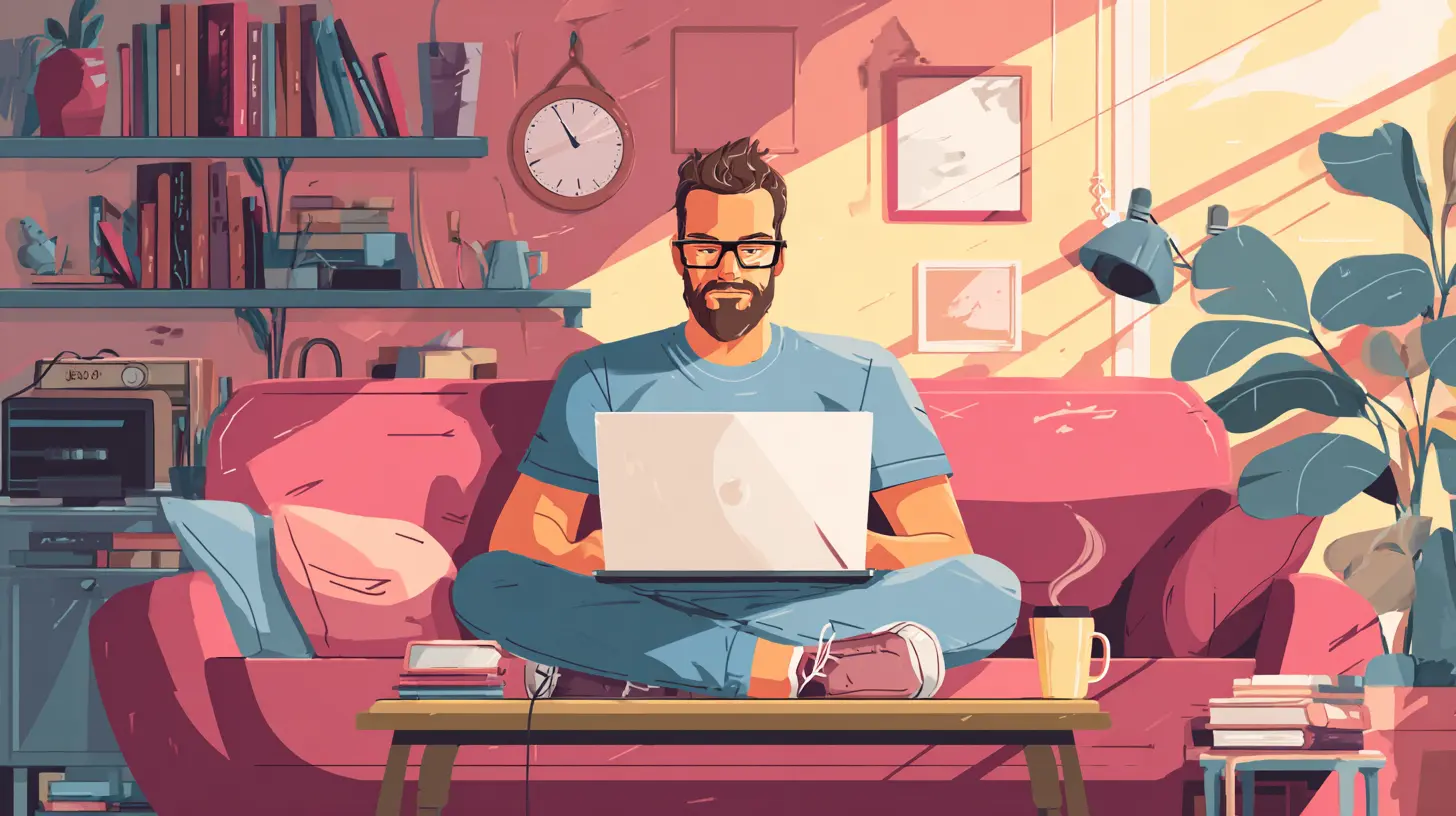
The Evolution of Video and Audio Editing Tools
If you’re a freelancer in 2026 and you’re not creating video content, you’re basically invisible. But hiring a professional editor is expensive, and learning Adobe Premiere is like learning a second language—one with 400 menu options. Enter the new wave of AI-powered editing tools.Descript and CapCut are already leading the charge, but by 2026, they’ll be mind-blowing. Imagine editing a podcast by simply typing “Remove all the ums and ahs” or “Make this sentence sound more enthusiastic.” The AI will do it. For video, tools like RunwayML will let you change the background of a video shot in your messy bedroom to a professional studio with one click. No green screen needed.
But the real hero? Voice cloning for corrections. You recorded a client interview, but you stumbled over a word. Instead of re-recording, you’ll type the correct word, and the AI will insert it in your voice, matching your tone and inflection. It’s like having a time machine for your audio. This isn’t sci-fi; it’s coming faster than you can say “retake.”
For freelancers, this means you can produce high-quality content without a studio, a crew, or even a decent microphone. Your laptop’s built-in mic will be good enough because the software will clean it up. It’s the ultimate equalizer: the solo creator vs. the big agency, and you win.
Financial Tools That Treat You Like a Business, Not a Hobby
Let’s talk about the boring stuff: money. Freelancers have historically been terrible at managing finances. We’re artists, not accountants. But by 2026, tools like FreshBooks, QuickBooks, and Wave will have evolved into financial co-pilots.Imagine a tool that not only tracks your expenses but also predicts your tax bill based on your income trends. It’ll whisper sweet nothings like “You should set aside 30% this month for taxes” or “That client is paying you 15% below your average rate—maybe renegotiate.” It’s like having a CFO who works for free (well, for a subscription fee).
The next level? Automated invoicing with smart follow-ups. Your tool will know when a client typically pays (e.g., “They always pay on the 15th, so don’t send a reminder until the 16th”) and adjust its tone based on your relationship. For the easygoing client, a friendly nudge. For the chronic late-payer, a firmer message that includes a link to your late fee policy. No more awkward “Hey, just checking in…” emails that make you feel like a debt collector.
And for the love of financial sanity, these tools will integrate with crypto and instant payment platforms like Stripe and PayPal but also newer options like Zelle and stablecoins. Because waiting 5 business days for a payment to clear in 2026 is like waiting for a letter by carrier pigeon. Instant payments will be the norm, and your tool will make sure you get them.
The Collaboration Tools That Actually Foster Connection
Freelancing can be lonely. You’re in your pajamas at 3 PM, talking to your cat about your project deadlines. But by 2026, collaboration tools will bridge that gap in ways that don’t feel forced.Miro and Figma are already great for visual collaboration, but the future is spatial computing and shared virtual workspaces. Think of it like a digital co-working space where you and your client can walk through a 3D model of a website or a product design. You’ll use VR headsets or even just your laptop camera to “be in the same room” with someone across the world.
But the real innovation? Asynchronous collaboration that doesn’t suck. Tools like Loom are already good for video messages, but by 2026, they’ll be interactive. You’ll record a video feedback, and the client can click on specific timestamps to reply with text or voice. It’s like a conversation that happens on your own time, without the pressure of a live call.
And let’s not forget AI meeting assistants that summarize your calls, extract action items, and even suggest follow-up questions. No more “What did we agree on?” post-meeting panic. The tool will have it all in a neat, searchable transcript.
The Security Tools That Keep Your Digital Life Safe
Freelancers are juicy targets for hackers. You’ve got client data, payment info, and often, weak passwords because you’re juggling 50 logins. By 2026, security tools will be as essential as your internet connection.Password managers like 1Password and Bitwarden will evolve into identity management hubs. They’ll not only store your passwords but also monitor the dark web for your email, alert you to breaches, and automatically change compromised passwords. Imagine if your password manager said, “Hey, that site you used in 2022 just got hacked. I’ve already updated your password and notified you. You’re welcome.”
For file sharing, end-to-end encrypted platforms like Proton Drive and Tresorit will become standard. No more sending sensitive contracts via unencrypted email attachments. Your clients will expect this level of security, and if you don’t offer it, you’ll look amateurish.
And the ultimate? Biometric authentication for everything. Your face, your fingerprint, or even your typing pattern will unlock your accounts. No more “Forgot password” loops. It’s security that works with you, not against you.
The Mindset Tools (Yes, They Count)
Finally, the most underrated tool for freelancers by 2026 will be mental health and productivity apps that aren’t just glorified timers. Tools like Brain.fm for focus music, Headspace for meditation, and Todoist for task management will merge into holistic productivity platforms.Imagine an app that detects you’re stressed (based on your typing speed, heart rate from your smartwatch, and the number of tabs open) and suggests a 5-minute breathing exercise. Or one that blocks distracting websites during your peak creative hours and rewards you with a virtual high-five when you finish a task. It sounds cheesy, but burnout is real, and the tools that help you sustain your career will be the ones you rely on most.
Because let’s be real: you can have all the fancy AI tools in the world, but if you’re running on fumes, you’re toast. By 2026, the best tool in your arsenal might just be the one that reminds you to take a walk, drink water, and close your laptop at a reasonable hour.
Final Thoughts: The Future Is Yours to Shape
Look, I’m not saying you need to run out and buy every tool on this list tomorrow. The future isn’t about having the most gadgets; it’s about having the right ones. The freelancers who will thrive by 2026 are those who embrace automation, AI, and integration without losing their human touch. Your clients don’t want a robot; they want you—just faster, more organized, and less stressed.So, start small. Try one AI writing assistant. Set up one automation. Play with a no-code tool. The goal isn’t perfection; it’s progress. By 2026, the tools will be smarter, cheaper, and more intuitive than ever. And you’ll be the one wielding them like a pro, laughing at the corporate world from your home office (or your favorite coffee shop, or that beach in Bali).
The only question left is: Are you ready to upgrade your toolkit? Because the future doesn’t wait. And neither should you.
all images in this post were generated using AI tools
Category:
Remote Work ToolsAuthor:

Jerry Graham
Discussion
rate this article
2 comments
Thalor Coffey
As technology evolves, adaptability becomes key for freelancers. Embracing emerging tools not only enhances productivity but also nurtures creativity. It's essential to stay ahead, learning how to leverage these innovations for a more sustainable and fulfilling freelance journey.
May 28, 2026 at 11:54 AM
Jerry Graham
Absolutely! Staying adaptable and embracing new tools is crucial for freelancers. It not only boosts productivity but also opens up new avenues for creativity.
Erica Bryant
This article highlights the essential tools shaping the future of freelancing. With rapid tech advancements, adaptability will be key. It's crucial for freelancers to embrace these innovations, ensuring they stay competitive and efficient. The future is bright for those who leverage the right tools effectively. Great insights!
May 17, 2026 at 11:43 AM
Jerry Graham
Thanks for your thoughts! I agree, staying adaptive and leveraging the right tools will be vital for freelancers in the coming years. Exciting times ahead!