Virtual Reality in Education: Transforming Classrooms Across the Globe
25 March 2026
Imagine a world where you can study the solar system by actually visiting the planets, or learn history by standing on the battlefield alongside ancient soldiers. Sounds like something out of a sci-fi movie, right? Well, welcome to the future of education—made possible by Virtual Reality (VR).
Virtual Reality is no longer just a tool for gamers or tech enthusiasts. It’s now revolutionizing education in ways we couldn’t have dreamed of a decade ago. From elementary schools to advanced university programs, VR is transforming classrooms across the globe. But how exactly is this happening? And why should educators (and students) care?
In this article, we’ll dive deep into the role of Virtual Reality in education, explore its transformative impact, and take a look at some of the challenges that come with it. So, strap on your VR headset (or just use your imagination) as we explore how VR is reshaping the world of learning.
What Exactly Is Virtual Reality?
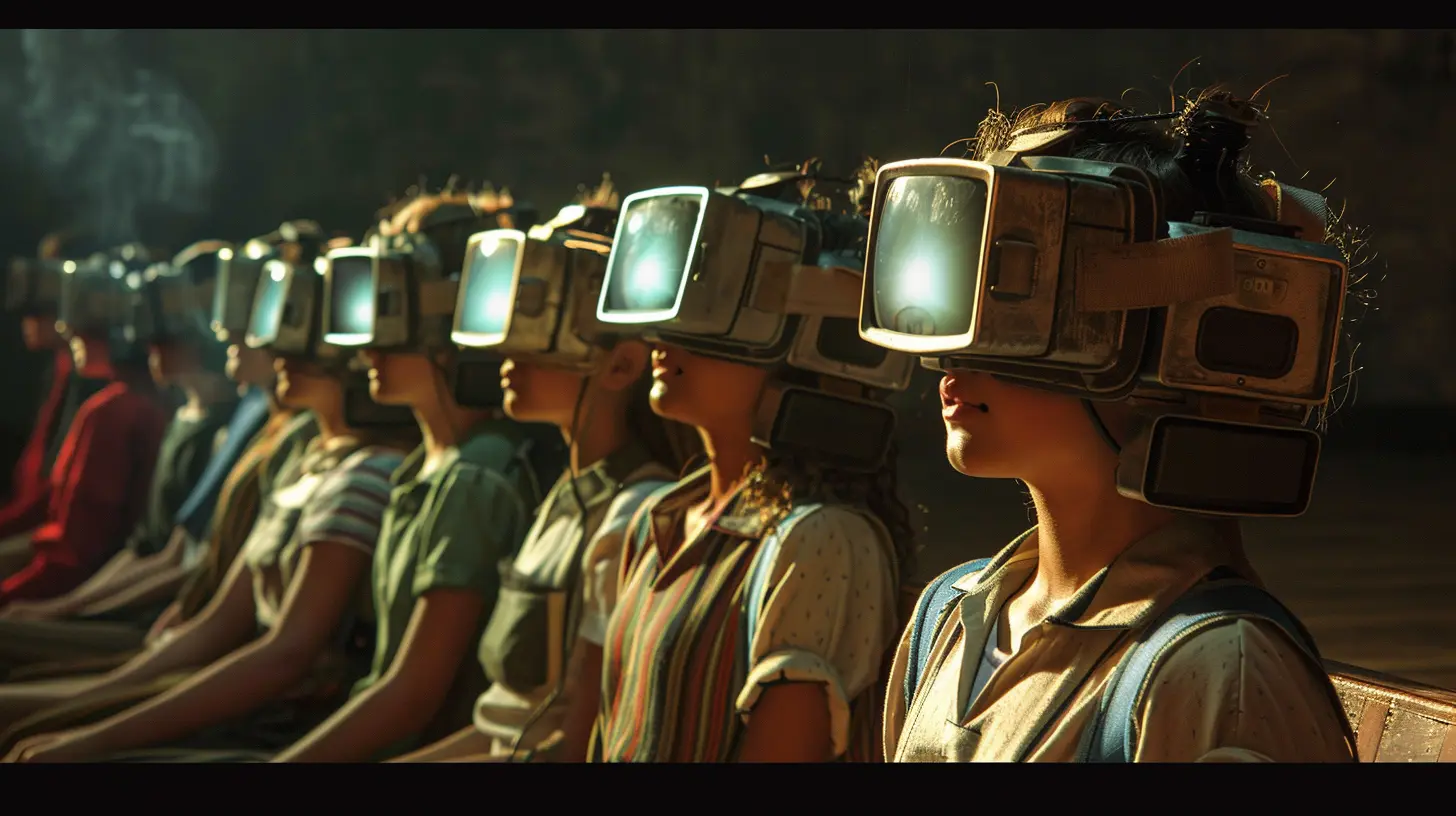
Before we dive into its specific role in education, let’s quickly break down what Virtual Reality is. In simple terms, VR is an immersive, computer-generated environment that allows a user to interact with a 3D world. You wear a headset with screens in front of your eyes, and voilà—you’re transported to a whole new world. With motion sensors and handheld controllers, you can explore this new environment, interact with objects, and even communicate with virtual characters.Think of it as the ultimate field trip—without ever leaving the classroom.
The Evolution of Virtual Reality in Education
Early Days: VR as a Novelty
When Virtual Reality first hit the scene, it was seen as a cool toy for gamers and tech geeks. The Oculus Rift and HTC Vive were among the first consumer-grade VR headsets, and while they were groundbreaking, few people thought VR would have much use beyond gaming or entertainment.Education? Not so much. Schools didn’t have the budget for expensive equipment, and no one was really sure how to integrate it effectively into the classroom.
Fast Forward: The Rise of Educational VR
But things have changed. Over the last few years, VR technology has become more accessible and affordable, and educators have started to realize its potential. What was once a novelty is now becoming a valuable educational tool. Companies like Google, Microsoft, and even smaller startups are creating VR content specifically designed for learning.And it’s not just for the elite, tech-savvy schools. Thanks to lower costs and the rise of mobile VR (which works with smartphones), more and more schools around the world are jumping on board.
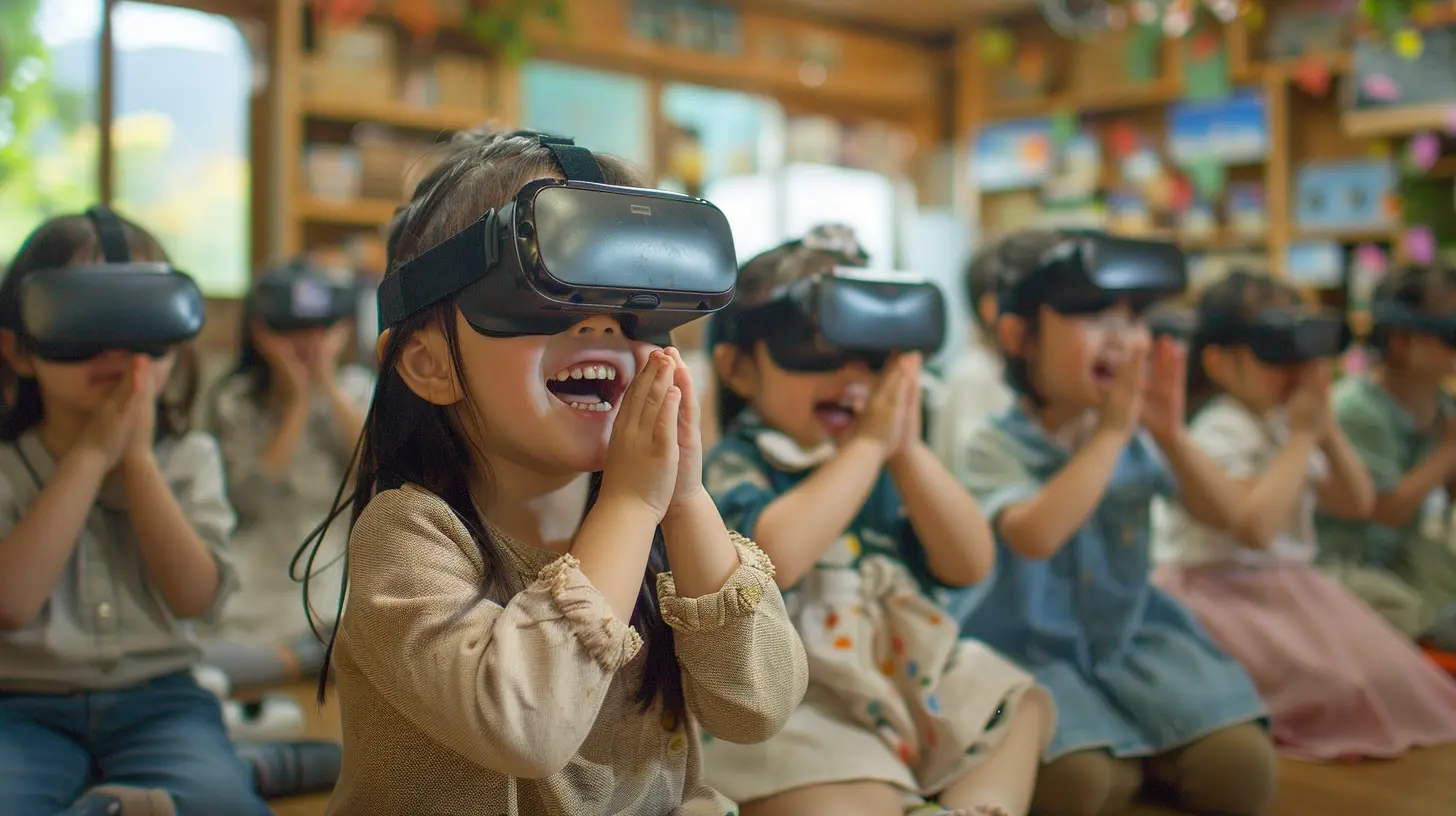
How Virtual Reality is Transforming the Classroom
So, how is VR actually being used in classrooms? Let’s break it down:1. Immersive Learning Experiences
Traditional learning methods—think textbooks, lectures, and PowerPoint presentations—are often passive. Students sit and absorb information, but they don’t always engage with it.VR flips the script. Instead of passively learning, students actively participate in immersive experiences. For example, instead of reading about ancient Egypt, students can virtually walk through a pyramid, explore tombs, and even interact with historical figures.
This interactive, hands-on experience makes learning more engaging and memorable. Studies have shown that students retain more information when they’re actively involved in the learning process. And let’s be honest—it’s a lot more fun, too!
2. Virtual Field Trips
Field trips are an essential part of education, providing students with real-world experiences. But let’s face it—organizing a field trip takes time, money, and resources, and it’s not always feasible to visit far-flung locations.Enter virtual field trips. With VR, students can take a trip to the Great Wall of China, explore the depths of the ocean, or even visit outer space—all without leaving the classroom. Platforms like Google Expeditions offer a wide range of virtual field trips that allow students to explore different places and cultures from the comfort of their desks.
These virtual journeys expand horizons and offer experiences that would otherwise be impossible, especially for students in remote or underserved areas.
3. Simulating Real-World Scenarios
One of the biggest advantages of VR in education is its ability to simulate real-world scenarios. This is particularly useful in fields like medicine and engineering, where students need hands-on experience but can't always practice in real-world settings.In medical schools, for example, students can use VR to perform surgeries in a risk-free environment. They can practice complex procedures over and over again until they get it right—without the fear of harming a real patient.
Similarly, engineering students can use VR to build and test models, simulate structures, and experiment with machinery—all without the cost and risk associated with physical prototypes.
4. Special Education and Inclusivity
VR is also making education more inclusive. For students with disabilities, traditional learning methods can be challenging. But VR offers new ways of learning that can be tailored to individual needs.For example, students with physical disabilities can explore environments that would be difficult or impossible to access in the real world. And for students with learning disabilities, VR can break down complex concepts into smaller, more manageable pieces, helping them grasp ideas in ways that work for them.
5. Collaborative Learning
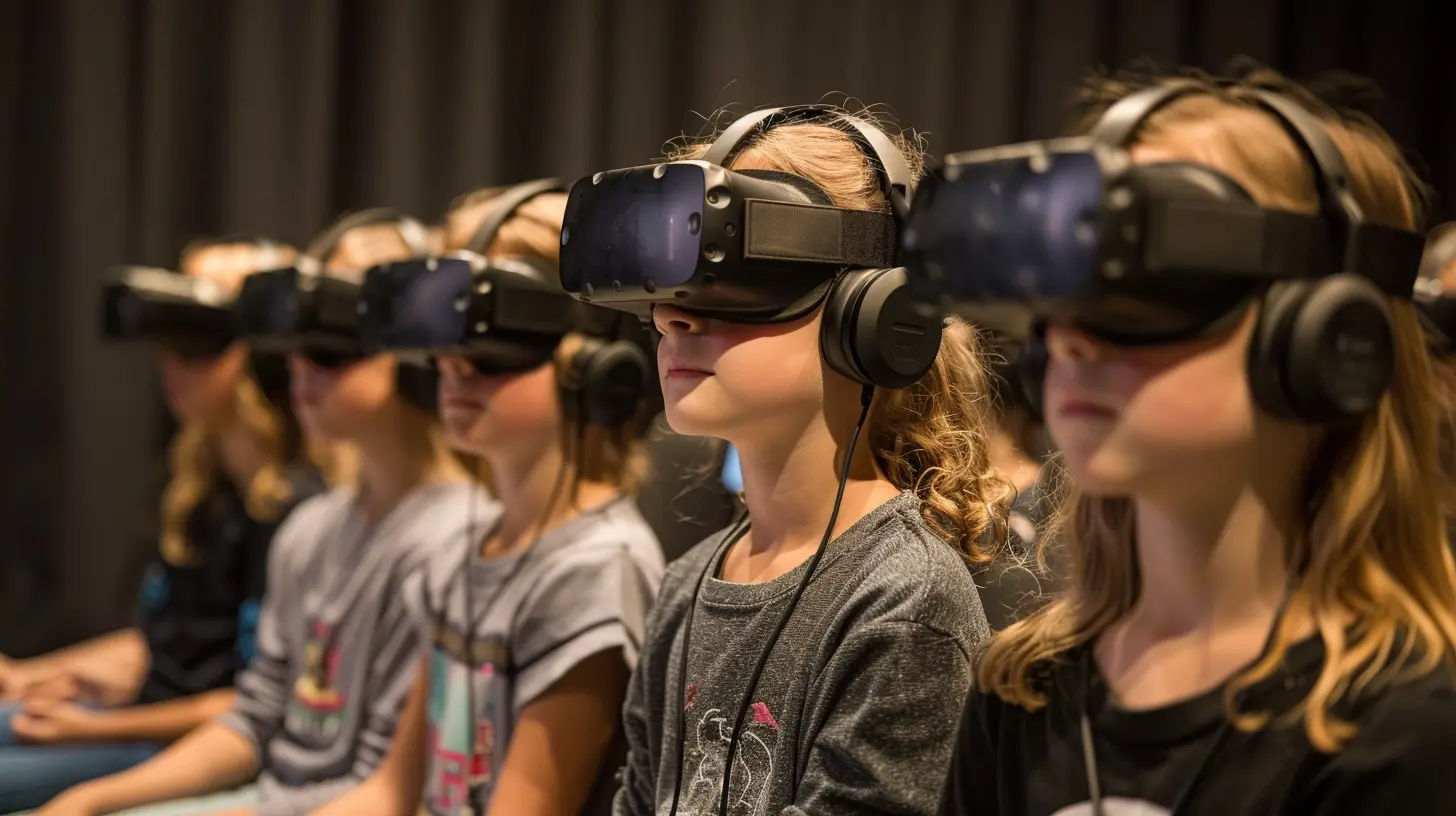
While VR might seem like a solitary experience (after all, you’re wearing a headset and exploring a virtual world on your own), it’s actually a great tool for collaboration.Thanks to multi-user VR platforms, students can work together in virtual environments. They can collaborate on group projects, solve problems, and interact with each other—all in real time. This fosters teamwork and communication, which are essential skills in today’s globalized world.
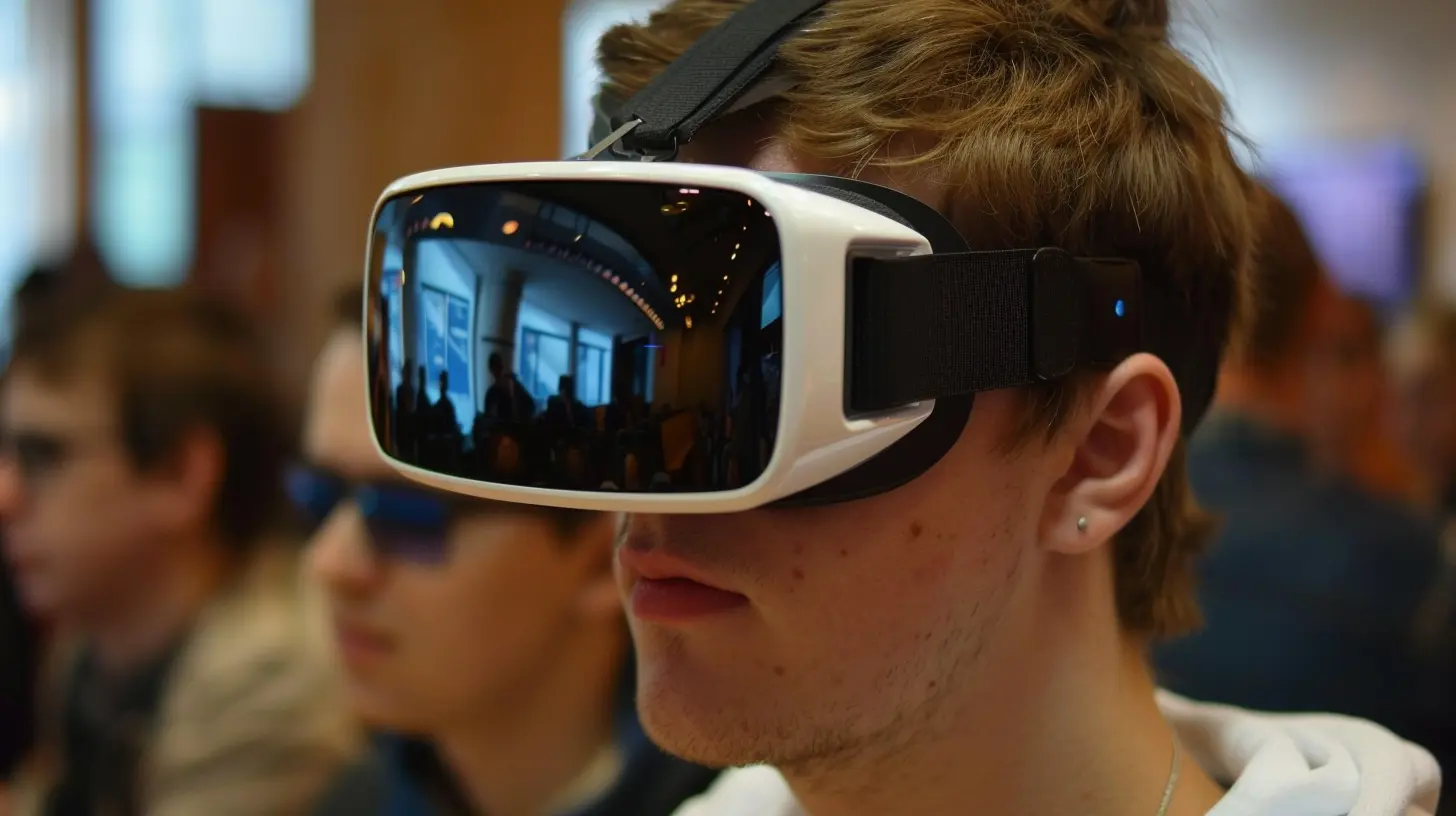
The Benefits of Virtual Reality in Education
Now that we’ve seen how VR is being used, let’s talk about the benefits.1. Enhanced Engagement
One of the biggest challenges in education is keeping students engaged. With VR, students are more likely to stay focused and interested in what they’re learning. The immersive nature of VR makes lessons feel more like an adventure than a chore.2. Better Retention
As we mentioned earlier, students remember more when they’re actively involved in the learning process. Studies have shown that VR can significantly improve retention rates compared to traditional teaching methods.3. Accessibility
VR opens up new opportunities for students who might not have access to certain resources. Whether it’s a student in a rural area who can’t visit a museum or a student with a disability who needs a customized learning experience, VR levels the playing field.4. Cost-Effective Solutions
While VR technology used to be prohibitively expensive, that’s no longer the case. Thanks to mobile VR and more affordable headsets, schools can now implement VR without breaking the bank. In the long run, VR can even save money by reducing the need for physical resources (like field trips or expensive lab equipment).5. Safe Learning Environments
In fields like science and medicine, students need to practice their skills in real-world environments. But that can be risky. VR provides a safe space for students to experiment, make mistakes, and learn from them—without any real-world consequences.The Challenges of Virtual Reality in Education
Of course, like any new technology, VR comes with its challenges. Let’s take a look at some of the potential roadblocks:1. Cost
While VR has become more affordable, it’s still an investment. Schools need to purchase headsets, software, and potentially additional hardware to support VR. For some institutions, especially those with limited budgets, this can be a significant hurdle.2. Technical Issues
VR is still a relatively new technology, and with that comes technical challenges. Not all schools have the infrastructure to support VR, and glitches or malfunctions can disrupt lessons.3. Teacher Training
Integrating VR into the classroom isn’t as simple as handing a headset to a student. Teachers need to be trained on how to use VR effectively. This requires time, resources, and a willingness to adapt to new teaching methods.4. Overreliance on Technology
While VR is an amazing tool, it’s important not to rely on it too heavily. It should complement traditional teaching methods, not replace them entirely. There’s still value in face-to-face interaction, hands-on experiments, and good old-fashioned discussion.
The Future of Virtual Reality in Education
So, what’s next for VR in education? As the technology continues to evolve, we’ll likely see even more innovative uses of VR in the classroom. Artificial Intelligence (AI) and VR could combine to create even more personalized learning experiences, or we might see advancements in augmented reality (AR), which blends virtual and real-world elements.One thing’s for sure: VR is here to stay. And as it becomes more widespread, it will continue to transform the way we teach and learn.
Conclusion
Virtual Reality is no longer just a futuristic concept—it’s a powerful tool that’s transforming education across the globe. From immersive learning experiences to virtual field trips and real-world simulations, VR is making learning more engaging, accessible, and effective.While there are challenges to overcome, the benefits of VR far outweigh the drawbacks. As technology continues to advance, we can only imagine the exciting possibilities that lie ahead for students and educators alike.
So, are you ready to step into the future of education?
all images in this post were generated using AI tools
Category:
Virtual RealityAuthor:

Jerry Graham
Discussion
rate this article
2 comments
Linnea McCoy
Exciting innovations! VR truly enhances learning experiences!
April 1, 2026 at 11:34 AM
Jerry Graham
I'm glad you think so! VR is really changing the way we approach learning.
Danica McTiernan
This article highlights the transformative potential of virtual reality in education, showcasing how immersive experiences can enhance student engagement and understanding. By integrating VR into classrooms, educators can offer unique, interactive learning opportunities that cater to diverse learning styles and prepare students for a rapidly evolving digital future.
April 1, 2026 at 4:10 AM
Jerry Graham
Thank you for your insights! I'm glad you see the potential of VR in enhancing education and engagement. It truly offers exciting possibilities for diverse learning experiences.