VR Headsets and the Metaverse: What You Need to Know
19 May 2026
The future is here, and it's more immersive than ever before. Virtual reality (VR) headsets and the metaverse are no longer just buzzwords thrown around by tech enthusiasts. They’re rapidly becoming a significant part of our everyday lives. But what exactly are VR headsets, and how do they tie into the metaverse? If you're curious or perhaps a bit confused, don't worry—I’ve got you covered. In this article, we’ll break everything down, from the basics of VR to how it connects to the metaverse, and why it matters to you. Buckle up—it’s going to be a wild (virtual) ride!
What is Virtual Reality (VR)?
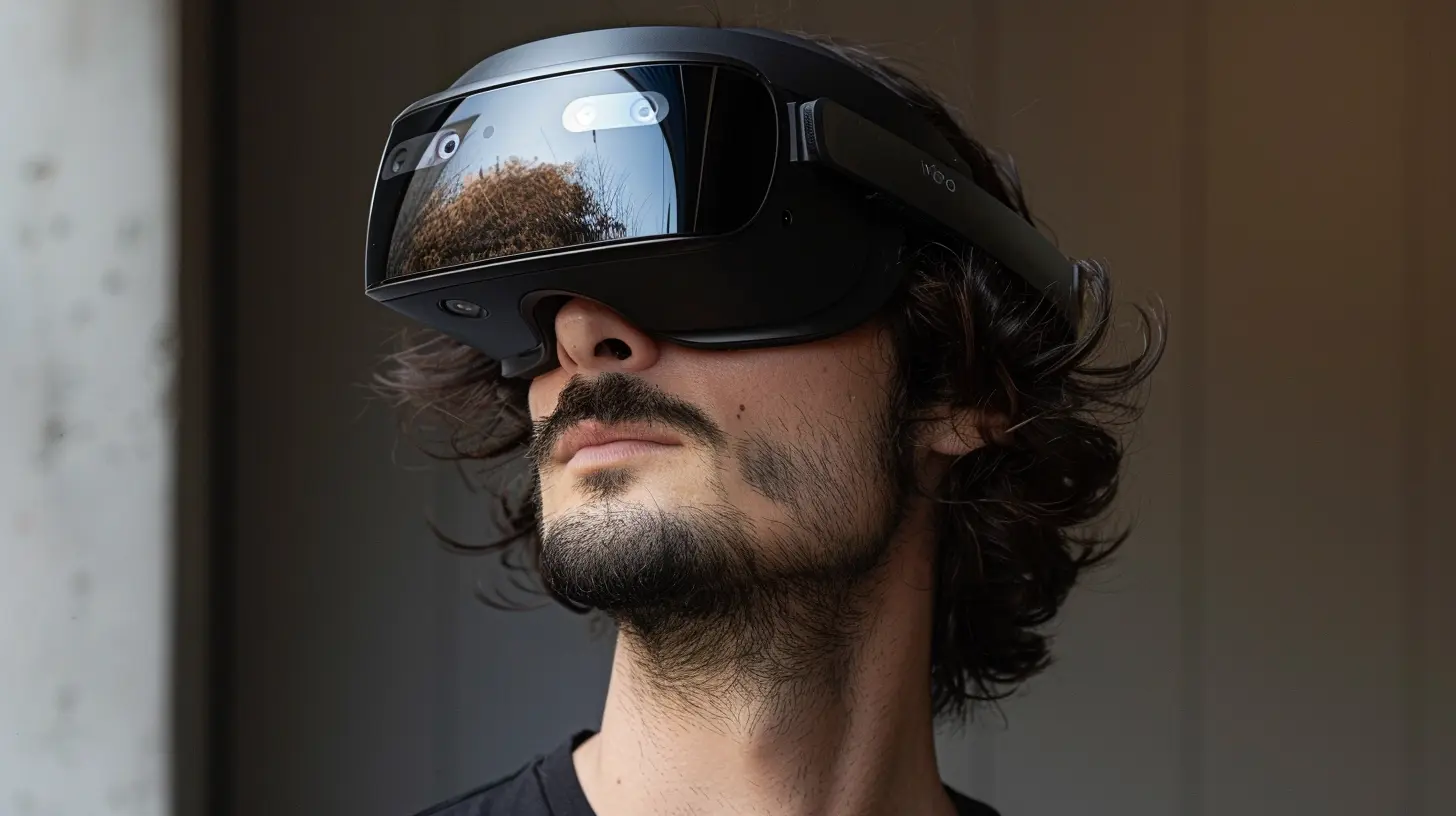
Let’s start with the basics. Virtual reality (VR) is a simulated experience that can be similar to or completely different from the real world. It immerses you in a 3D environment, often through the use of a VR headset, where you can interact with the virtual world around you. Think of it like stepping into a video game, but instead of watching the screen, you are the character living in it. Cool, right?VR tech has been around for a while, but recent advancements have made it more accessible, more enjoyable, and more realistic than ever. Today, it’s used for everything from gaming and entertainment to education and even healthcare. But VR’s potential doesn’t stop there—it’s also a key player in the rise of the metaverse.
The Metaverse: A Quick Overview
Now, let’s talk about the metaverse. If VR is the tool, the metaverse is the playground. In essence, the metaverse is a collective virtual shared space, created by the convergence of virtually enhanced physical reality and persistent virtual spaces. It’s where people can interact, socialize, work, and play in a digital environment that feels almost as real as the physical world.Think of the metaverse as a massive, interconnected universe of digital worlds. You can explore different spaces, meet people, attend events, play games, and even conduct business—all from the comfort of your VR headset or computer screen. It’s like an endless YouTube rabbit hole but in 3D and with way more interaction.
But wait, does this mean we’re all going to live in the Matrix? Not quite. The metaverse is more like a digital extension of our reality, not a replacement. It’s a space where the boundaries between real and virtual blur, but you still get to decide how much you want to engage with it.
How VR Headsets Fit Into the Metaverse
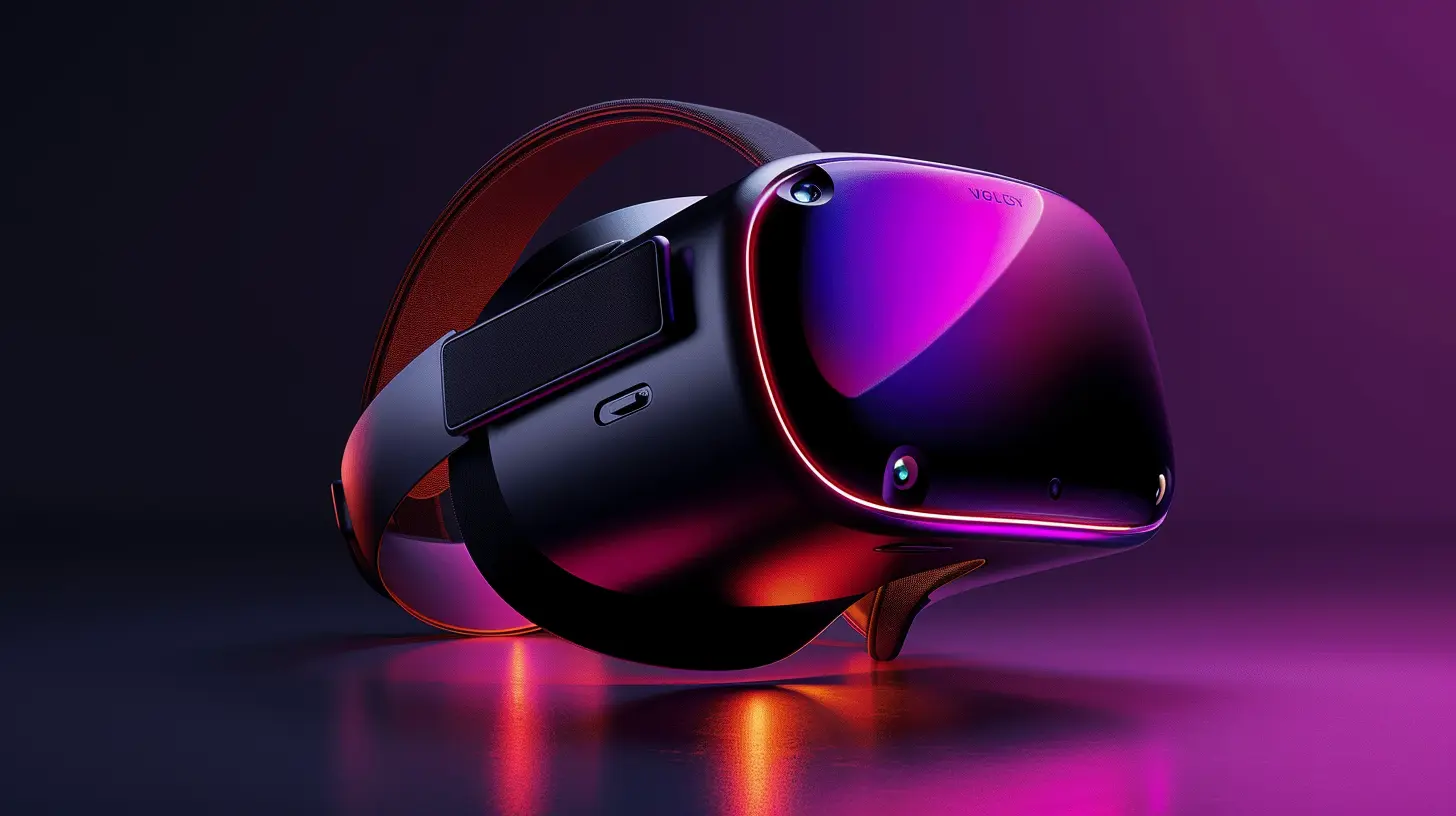
Here’s where things get interesting. VR headsets are the gateway to the metaverse. Without a VR headset, you can still access parts of the metaverse through your computer or phone, but it's not the same as fully immersing yourself in a 3D virtual world. Wearing a VR headset allows you to experience the metaverse in its most immersive form. You’re not just watching the world—you’re in it.Imagine attending a virtual concert. With a VR headset, you can stand in the front row, dance with other avatars, and feel like you’re right there, even if you’re chilling at home in your pajamas. Or picture walking through a virtual art gallery, where you can examine every brushstroke up close. The possibilities are endless, and VR headsets make that deep level of immersion possible.
Popular VR Headsets for the Metaverse
If you’re thinking about diving into the metaverse, you’ll need to pick up a VR headset. But with so many options out there, which one should you choose? Let’s break down some of the most popular VR headsets that are perfect for exploring virtual worlds.1. Oculus Quest 2
One of the most popular choices today, the Oculus Quest 2 (now under Meta, formerly Facebook), is a versatile and affordable VR headset. It’s wireless, easy to set up, and doesn’t require a powerful gaming PC to run. Plus, it has access to a wide range of VR apps and games, making it a top choice for metaverse explorers.The Quest 2 is designed with comfort and ease in mind, so you can wear it for extended periods without feeling like you’re lugging around a heavy brick on your face. It’s perfect for both casual users and more hardcore VR enthusiasts looking to dive into the metaverse.
2. PlayStation VR
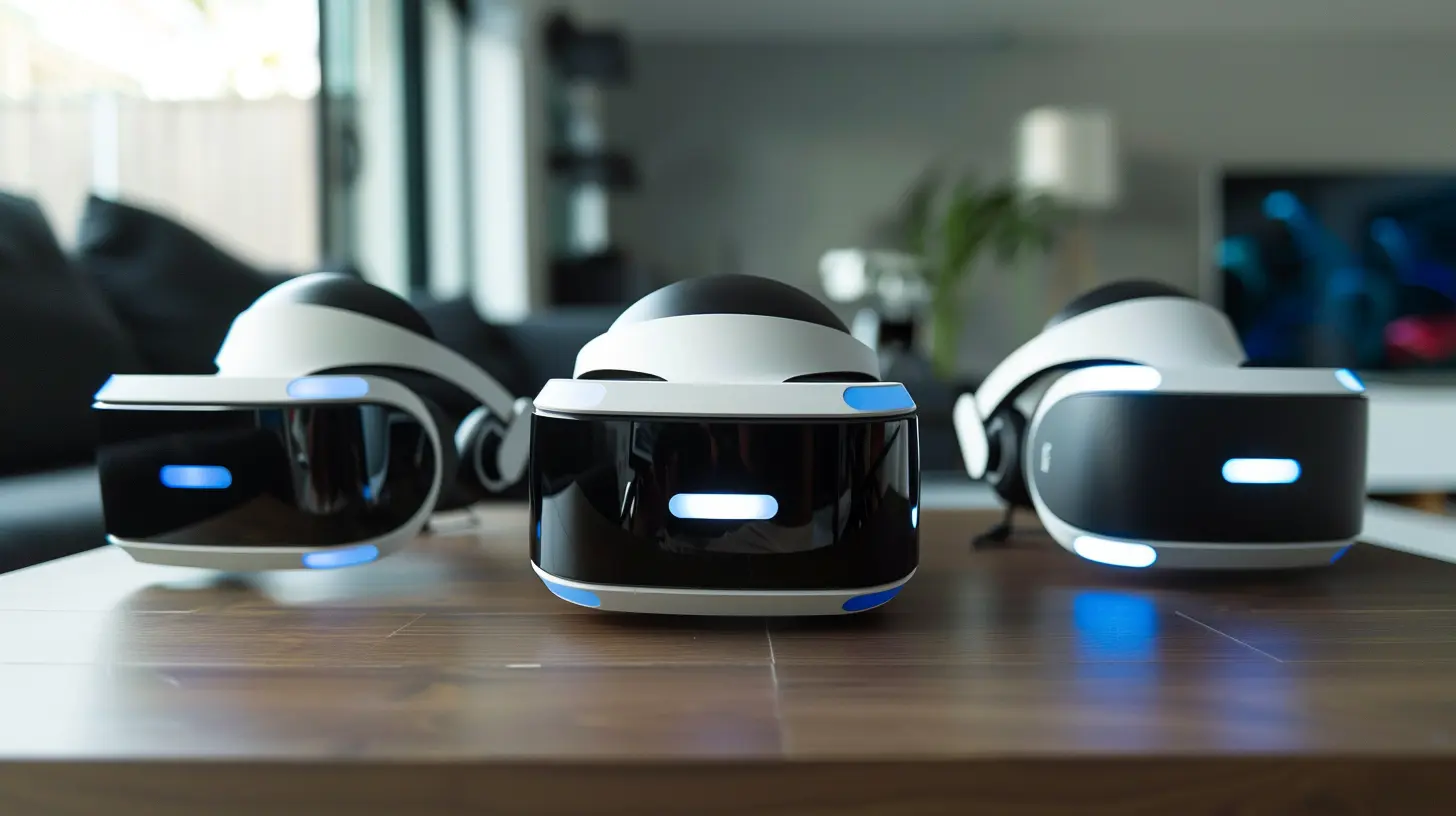
If you’re already a PlayStation gamer, the PlayStation VR is a solid option. It’s designed to work with PlayStation consoles, so if you’re all about gaming, this could be the VR headset for you. Although it’s not as powerful as some PC-based headsets, it still offers a great VR experience, especially for those who want to dip their toes into the metaverse.3. Valve Index
For those who want the crème de la crème of VR headsets, the Valve Index is often considered one of the best in terms of performance and immersion. It’s a bit pricier and requires a powerful PC to run, but it offers amazing visuals, smooth motion tracking, and excellent controllers. If you’re serious about living in the metaverse, the Valve Index is a top-tier option.4. HTC Vive Pro 2
The HTC Vive Pro 2 is another high-end VR headset that offers incredible graphics and immersion. It’s particularly good for businesses and professionals who want to use VR for more than just gaming, like virtual meetings or training simulations. However, much like the Valve Index, it’s on the expensive side and requires a powerful PC to operate.Why the Metaverse is More Than Just Fun and Games
Okay, so VR headsets are cool, and the metaverse sounds like a digital playground. But what’s the big deal? Why should you care about it beyond just having fun? Well, the truth is, the metaverse is shaping up to be much more than a space for entertainment. It’s poised to revolutionize several industries, including:1. Socializing and Networking
The metaverse is already changing the way we socialize. Imagine a future where, instead of scrolling through Instagram, you can actually hang out with your friends in a virtual space. You could meet up for a virtual movie night, visit a virtual club, or even travel to a virtual beach—all without leaving your house. Social media as we know it could take on a whole new form in the metaverse.2. Work and Collaboration
Remote work has become the norm for many, but the metaverse could take it to the next level. Instead of Zoom calls and Slack messages, teams could meet in a virtual office, where they can interact with each other as if they were in the same room. Imagine brainstorming sessions with virtual whiteboards, or presentations where clients can see a 3D model of a product.Companies like Meta (formerly Facebook) are already working on metaverse workspaces, and it’s only a matter of time before more businesses jump on board. The metaverse could become the future of remote work and collaboration.
3. Education and Training
Learning in the metaverse could be a game-changer. Instead of reading about historical events, students could actually walk through a virtual recreation of ancient Rome. Or, instead of learning how to fix a car from a manual, mechanics could practice in a virtual garage. VR and the metaverse have the potential to make learning more engaging, interactive, and hands-on than ever before.4. Commerce and Retail
The metaverse could also revolutionize shopping. Imagine trying on clothes in a virtual fitting room or testing out furniture in your virtual home before making a purchase. Companies are already exploring ways to create virtual storefronts and experiences that are more interactive and personalized than traditional online shopping.In fact, virtual real estate is already becoming a hot commodity in the metaverse. People are buying, selling, and even renting virtual land in metaverse platforms like Decentraland and The Sandbox. It’s like a digital version of Monopoly, but with real money on the line.
Challenges and Concerns
Of course, with all this excitement comes some challenges. The metaverse and VR technology are still in their early stages, and there are several hurdles to overcome before they become fully integrated into our lives.1. High Cost of Entry
While there are some affordable VR headsets, the high-end ones can be pretty expensive. Plus, you’ll need a powerful computer to run some of the more advanced systems. This could limit accessibility for some users.2. Privacy and Security
With more of our lives potentially moving into the digital realm, privacy and security will be major concerns. Who controls the data in the metaverse? How do we protect our virtual identities? These are questions that tech companies will need to address as the metaverse grows.3. Addiction and Overuse
There’s also the risk of people becoming too immersed in the metaverse. Just like with social media or video games, there’s potential for addiction and overuse. Balancing our time in the virtual world with the real one will be crucial.The Future of VR and the Metaverse
So, what’s next? The metaverse and VR technology are still evolving, and the future is full of possibilities. As technology improves, we can expect even more immersive experiences, better graphics, and more accessible devices. The metaverse could become an integral part of our daily lives, much like the internet is today.Whether you’re a tech enthusiast or just curious about what’s coming, it’s clear that VR headsets and the metaverse are more than just a passing trend. They’re the future of how we interact with digital spaces—and that future is closer than you might think.
Conclusion
Virtual reality and the metaverse are reshaping the way we live, work, and play. Whether you’re looking to explore new digital worlds, connect with friends, or even conduct business, a VR headset is your key to unlocking this exciting new frontier. With the tech improving every day and the metaverse growing in scale and complexity, now is the perfect time to jump in and see what all the hype is about.So, are you ready to step into the future?
all images in this post were generated using AI tools
Category:
Vr HeadsetsAuthor:

Jerry Graham
Discussion
rate this article
2 comments
Mary Thompson
This article captures the essentials of VR headsets and the evolving metaverse well. It's a helpful guide for anyone curious about diving into this immersive technology and its possibilities.
July 14, 2026 at 4:41 AM
Jerry Graham
Thanks for your kind words! I'm glad you found the article helpful and informative.
Melanie McTier
This article does a great job breaking down the essentials of VR headsets and the metaverse. It's exciting to see how these technologies are evolving and shaping our digital experiences. I can't wait to dive deeper into this virtual world and explore what lies ahead!
May 21, 2026 at 3:24 AM
Jerry Graham
Thank you for the kind words! I'm glad you found the article helpful. There's so much to explore in the world of VR and the metaverse. Enjoy the journey!