VR Headsets in Sports Training: The Next Big Thing?
6 December 2025
Virtual reality (VR) headsets used to be that shiny new toy everyone talked about when it came to gaming. But now, these futuristic devices are making their way beyond just entertainment and are finding a serious place on the sports field. Yep, you heard that right. VR headsets aren’t just for battling aliens or racing cars anymore — they’re becoming a game-changer in sports training.
From football to golf, VR technology is transforming how athletes train, analyze performance, and even recover. But how exactly is this shift happening, and why is it being called the "next big thing"? In this article, we’ll dive deep into the world of VR headsets in sports training, exploring how they work, their benefits, and what the future holds for this fascinating tech trend.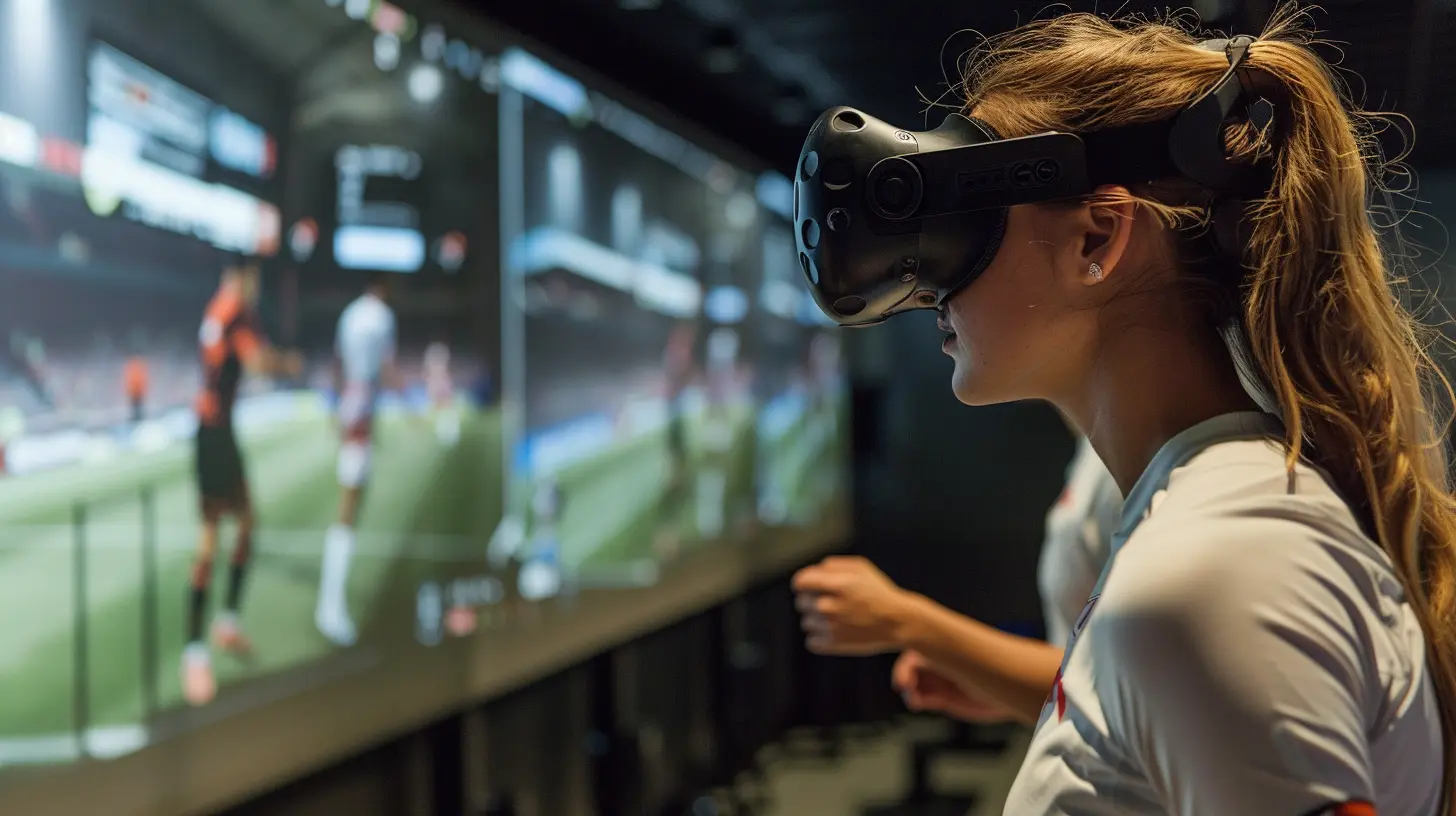
The Evolution of VR in Sports Training
Before we jump into the nitty-gritty of VR headsets in sports training, let’s take a quick trip down memory lane. VR has been around for decades, but it wasn’t until recent advancements in graphics, hardware, and software that it became truly immersive.In the beginning, VR was mostly a novelty. It was cool, sure, but it wasn’t something that could be practically applied outside of gaming or entertainment. However, as technology improved, industries started looking at VR as a tool for education, healthcare, and now — sports.
Athletes and coaches began to realize that VR could offer something traditional training methods couldn’t: the ability to simulate real-game scenarios without ever stepping onto the field. Think of it as a virtual playground where athletes can train their minds and bodies without the wear and tear of physical practice.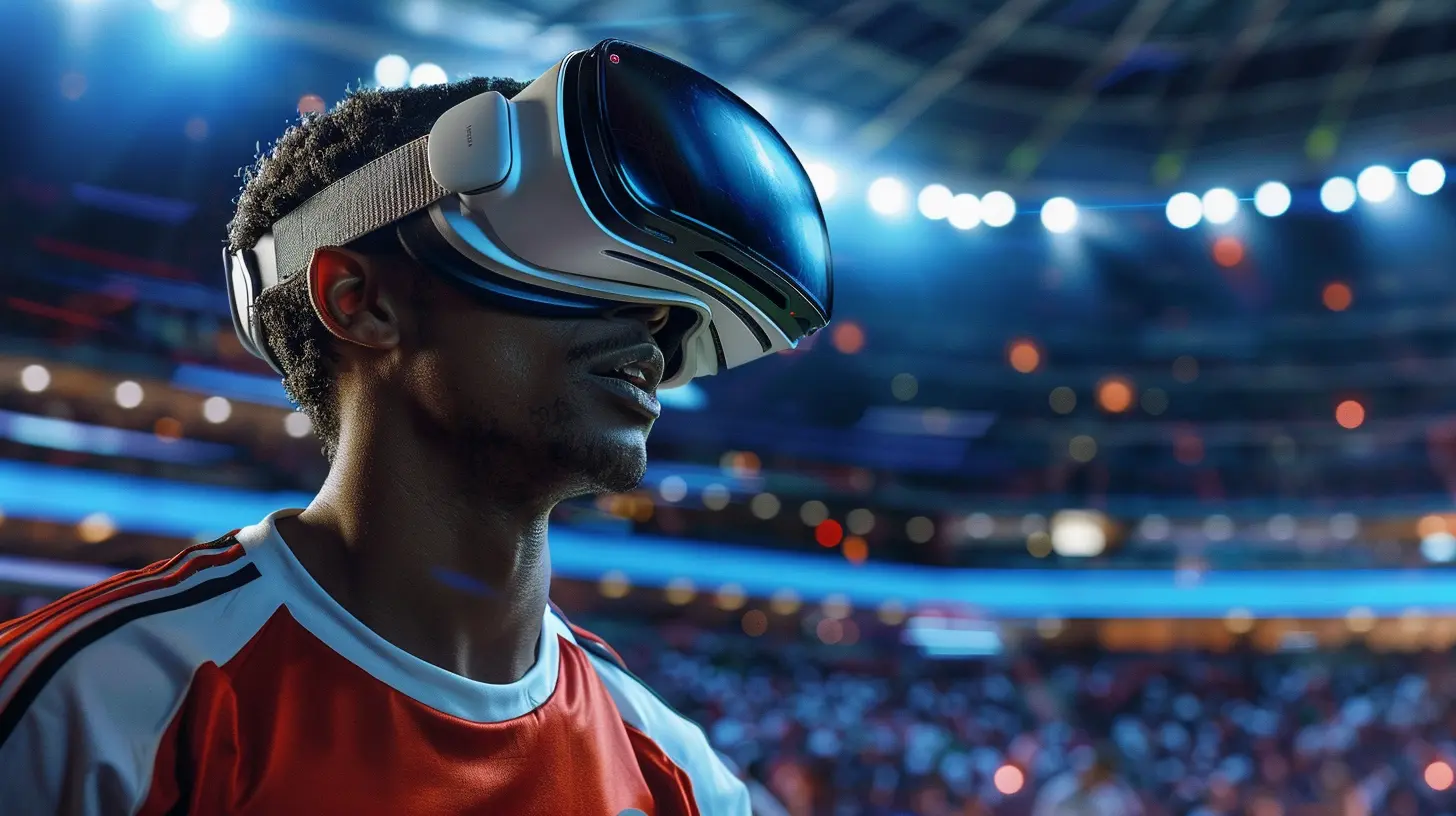
How VR Headsets Are Used in Sports Training
So, how exactly are VR headsets being used in sports training? It’s not like players are running around the field with a bulky headset strapped to their faces (although that would be quite the sight). Instead, VR is being used in a variety of more practical ways:1. Simulating Game Situations
One of the most significant advantages of VR in sports training is its ability to simulate real-game situations. Whether it's a quarterback preparing for an upcoming game or a basketball player practicing free throws, VR allows athletes to relive game scenarios over and over again.Imagine being able to face the same defense five, ten, or even twenty times without ever getting tired. That’s the power of VR. These simulations help athletes mentally prepare for games by allowing them to practice decision-making, reaction times, and strategy without physically exerting themselves.
2. Improving Technique and Form
VR doesn’t just help with mental preparation — it’s also a fantastic tool for improving technique and form. Many VR systems come with motion tracking technology that can analyze an athlete's movements in real-time.Let’s say you're a golfer trying to perfect your swing. With VR, you can get instant feedback on your posture, swing speed, and angle, helping you make immediate adjustments. This kind of instant feedback can be crucial for athletes who are trying to fine-tune their skills.
3. Enhancing Cognitive Training
Sports aren't just about physical strength — mental sharpness plays a massive role too. VR can be used to improve cognitive functions like focus, decision-making, and spatial awareness.For example, a soccer player can use VR to practice reading the field and anticipating opponents' moves. Since the brain is being trained in a virtual environment, the player can sharpen their cognitive skills without the risk of injury or fatigue.
4. Rehabilitation and Recovery
Injuries are a part of sports, but VR can help athletes get back on their feet faster. VR-based rehab programs are becoming more common, allowing injured athletes to engage in low-impact exercises in a controlled, virtual environment. This helps athletes stay mentally engaged and maintain some level of fitness while they recover. Plus, many VR rehab programs are personalized, offering exercises tailored to the athlete’s specific injury and recovery needs.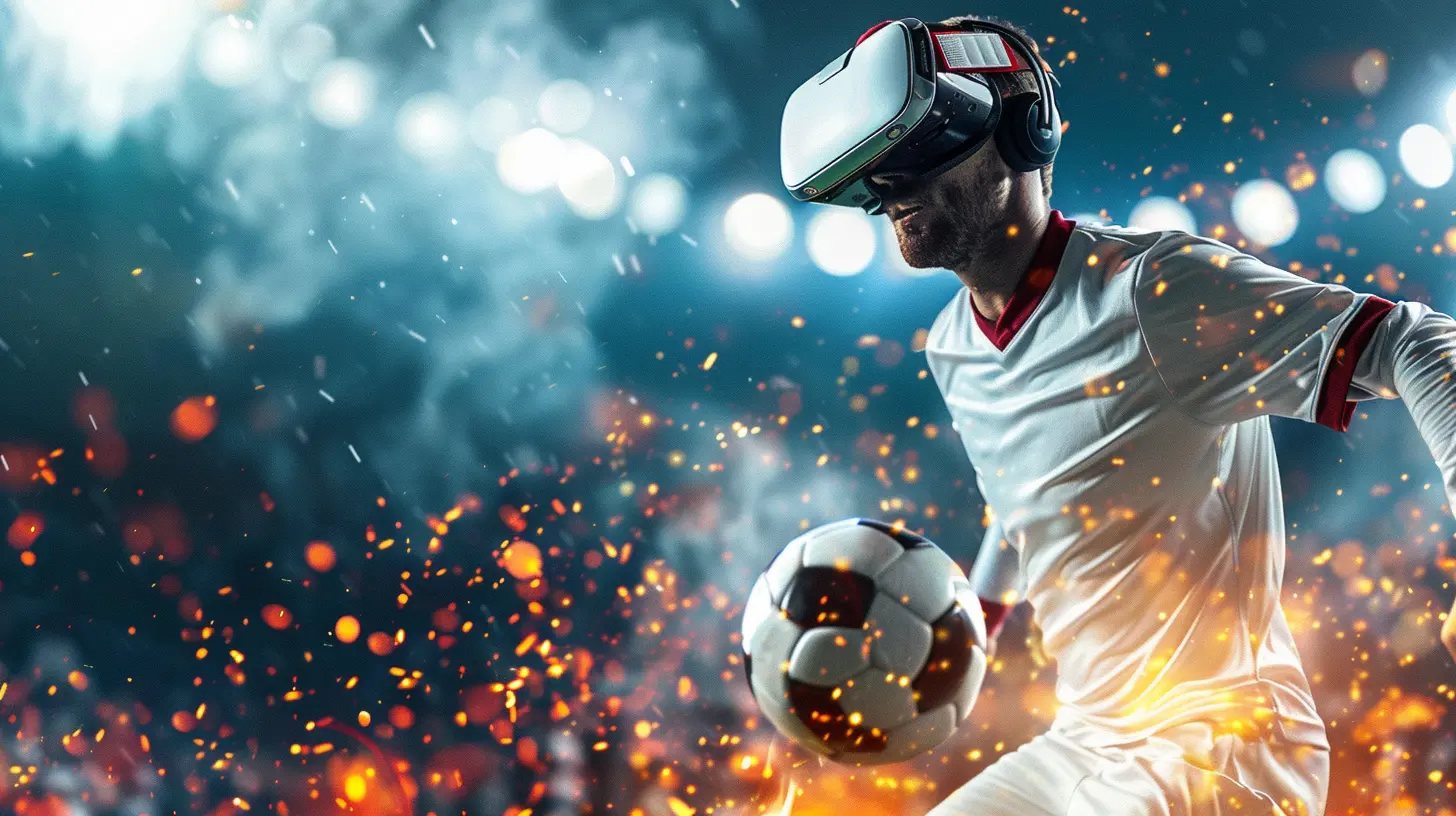
The Benefits of Using VR in Sports Training
Now that we’ve covered how VR is used in sports training, let’s talk about the benefits. Spoiler alert: there are a lot of them. Here are some of the top reasons why VR is being hailed as the next big thing in sports training:1. Reduced Risk of Injury
One of the most significant benefits of VR is that it allows athletes to practice without the physical strain of traditional training. This can drastically reduce the risk of injury. Instead of running drills on the field and risking a twisted ankle or pulled muscle, players can go through similar exercises in a virtual environment.2. More Efficient Training
VR allows athletes to fit more practice into less time. Because virtual training doesn’t require physical exertion, athletes can run through scenarios, drills, and exercises repeatedly without getting worn out. This means they can spend more time focusing on specific skills without worrying about overtraining.3. Enhanced Mental Preparation
As we mentioned earlier, VR can help athletes mentally prepare for games by allowing them to simulate real-game situations. This mental preparation is crucial for success, especially in high-stakes games where split-second decisions can make all the difference. By using VR, athletes can improve their reaction times, decision-making abilities, and overall game IQ.4. Personalized Training
No two athletes are the same, so why should their training be? VR allows for highly personalized training programs that can be tailored to the athlete’s specific needs, goals, and skill level. Whether it’s improving footwork in soccer or mastering the slap shot in hockey, VR can offer customized drills and feedback to help athletes progress faster.5. Cost-Effective
While the initial investment in VR technology can be expensive, it can actually save money in the long run. Traditional training methods often require travel, equipment, and even renting out practice spaces. VR eliminates many of these costs by allowing athletes to train from anywhere, at any time.
The Challenges of Integrating VR in Sports Training
Okay, so VR sounds like a dream come true for athletes, right? Well, it’s not without its challenges. While the benefits are clear, there are a few hurdles that need to be addressed before VR becomes a standard part of sports training.1. Cost of Equipment
High-quality VR headsets and the accompanying software aren’t cheap. For elite athletes and professional teams, this might not be a big deal, but for smaller teams or individual athletes, the cost could be prohibitive. However, as the technology becomes more mainstream, we can expect prices to drop, making VR more accessible.2. Learning Curve
While VR technology is becoming more user-friendly, there’s still a learning curve involved. Athletes, coaches, and trainers need to become familiar with the hardware and software, which can take time. Some might find this frustrating, especially when time is already limited due to busy training schedules.3. Potential for Over-Reliance
There’s also the risk of over-reliance on VR. While it’s an excellent tool for enhancing training, it shouldn’t replace traditional methods entirely. Physical conditioning, team drills, and real-world experience are still crucial for success in sports. VR should be seen as a supplement to these methods, not a replacement.The Future of VR in Sports Training
So, what’s next for VR in the world of sports training? Well, the future looks incredibly promising. As the technology continues to improve, we can expect VR to play an even more significant role in training across all levels of sports — from youth leagues to professional teams.Better Hardware and Software
VR headsets are constantly evolving, becoming more lightweight, comfortable, and powerful. As hardware improves, so will the quality of the virtual environments athletes can train in. In addition, software developers are working on creating even more realistic and accurate simulations, which will only increase the effectiveness of VR training.Wider Adoption
As costs come down and the technology becomes more accessible, we can expect to see VR used in more sports and at more levels. What’s currently being used by elite athletes could soon be available to college teams, high schools, and even youth leagues.Integration with Other Technologies
VR isn’t the only technology making waves in sports. We’re already seeing the integration of VR with other advanced tools like AI, machine learning, and wearable tech. This could lead to even more personalized and data-driven training programs, giving athletes an unprecedented level of insight into their performance.Conclusion: Is VR the Next Big Thing in Sports Training?
So, is VR the next big thing in sports training? All signs point to yes. The ability to simulate real-game situations, improve technique, and enhance mental preparation makes VR an incredibly powerful tool for athletes. While there are still some challenges to overcome, the benefits far outweigh the drawbacks.As technology continues to advance, we can expect VR to become a staple in sports training programs around the world. Who knows? In a few years, VR training might be as common as hitting the gym or running drills on the field.
The future of sports training is virtual — and it’s already here.
all images in this post were generated using AI tools
Category:
Vr HeadsetsAuthor:

Jerry Graham
Discussion
rate this article
2 comments
Shania Robinson
VR headsets offer exciting potential in sports training, providing immersive experiences that enhance skill development and strategy. However, the technology's effectiveness and accessibility must be critically assessed to ensure it complements traditional methods rather than replacing them entirely.
December 14, 2025 at 9:44 PM
Jerry Graham
Thank you for your insightful comment! I agree that while VR headsets present exciting opportunities for skill development in sports training, it’s essential to balance their use with traditional methods to ensure comprehensive growth.
Asher McCord
VR headsets are revolutionizing sports training by providing immersive environments that enhance skill development, decision-making, and mental resilience. As athletes utilize this technology for real-time feedback and simulation of high-pressure scenarios, it’s clear that VR is poised to become a game-changer in athletic training.
December 10, 2025 at 6:01 AM
Jerry Graham
Absolutely! VR headsets are indeed transforming sports training by creating immersive simulations that enhance athletes' skills and mental toughness, making them invaluable tools for modern training regimens.