How VR is Being Used to Combat Loneliness in Senior Communities
7 May 2026
Let’s face it — loneliness isn’t just a fleeting feeling. For seniors, it can be a daily reality that hits hard and sticks around. But what if I told you that the same tech used for gaming and virtual meetings is now helping to bring joy and companionship to older adults? Yep, we’re talking about Virtual Reality (VR), and it’s shaking things up in the best way possible inside senior living communities.
You might be thinking, “VR? For seniors? Really?” Absolutely. And it’s not just some fleeting trend. This is a tech evolution that’s reshaping human connection, especially for folks who’ve been feeling isolated for way too long.
Let’s dive into how VR is not only helping fight loneliness in senior communities but is also building bridges to new worlds — both real and virtual.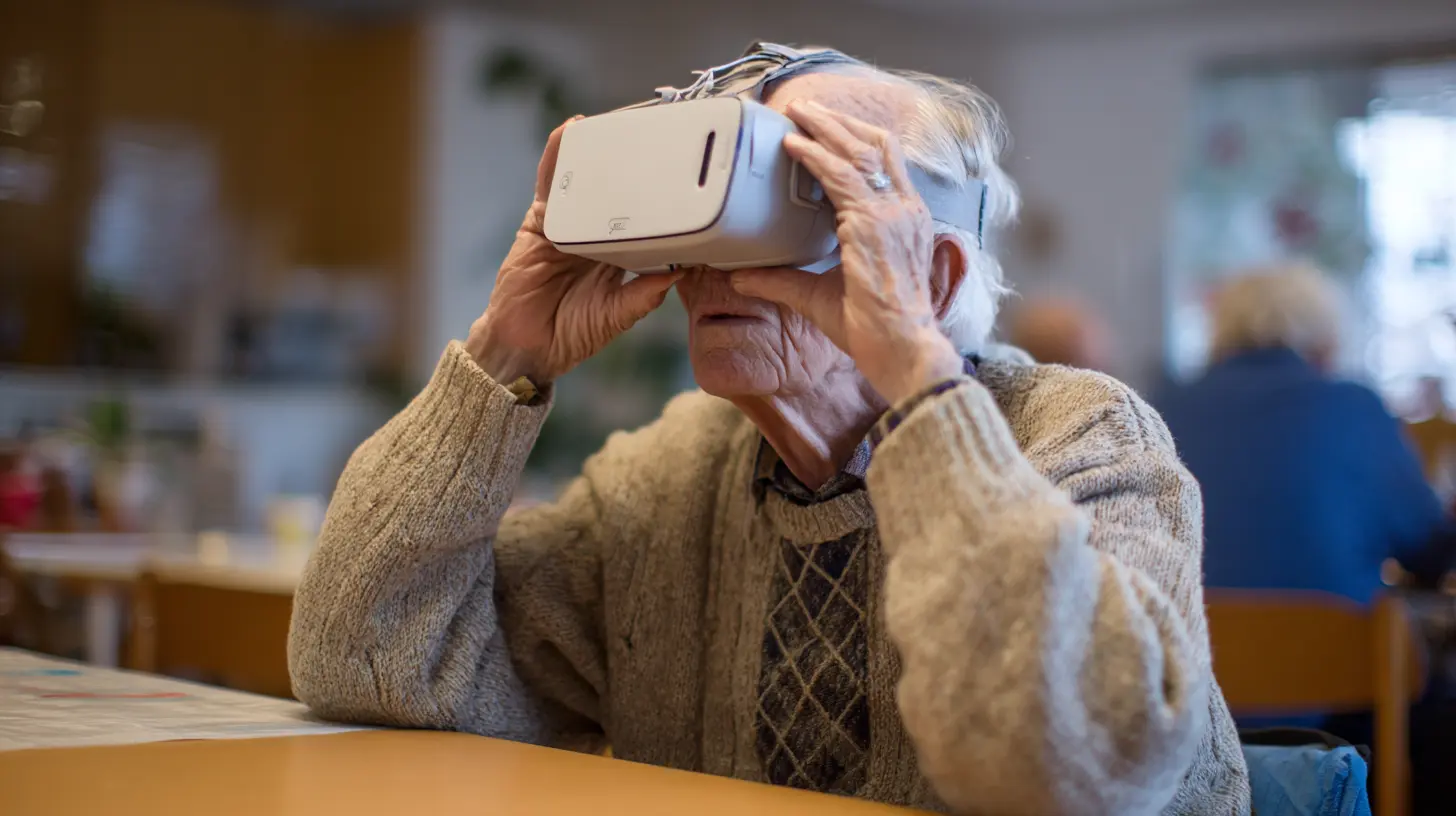
The Silent Epidemic: Loneliness Among Seniors
Before we jump into the tech side, we need to understand the problem. Loneliness among older adults has been labeled a public health crisis. Studies by the CDC and other health organizations have linked chronic loneliness to serious health risks — think depression, heart disease, and even early mortality. Yikes.Retirement communities, while designed with companionship in mind, can ironically become isolating for residents who feel disconnected, especially after life changes like losing a spouse, limited mobility, or friends moving away.
So how do you bring the outside world in? How do you give someone the feeling of presence and connection without physically taking them somewhere? Enter: Virtual Reality.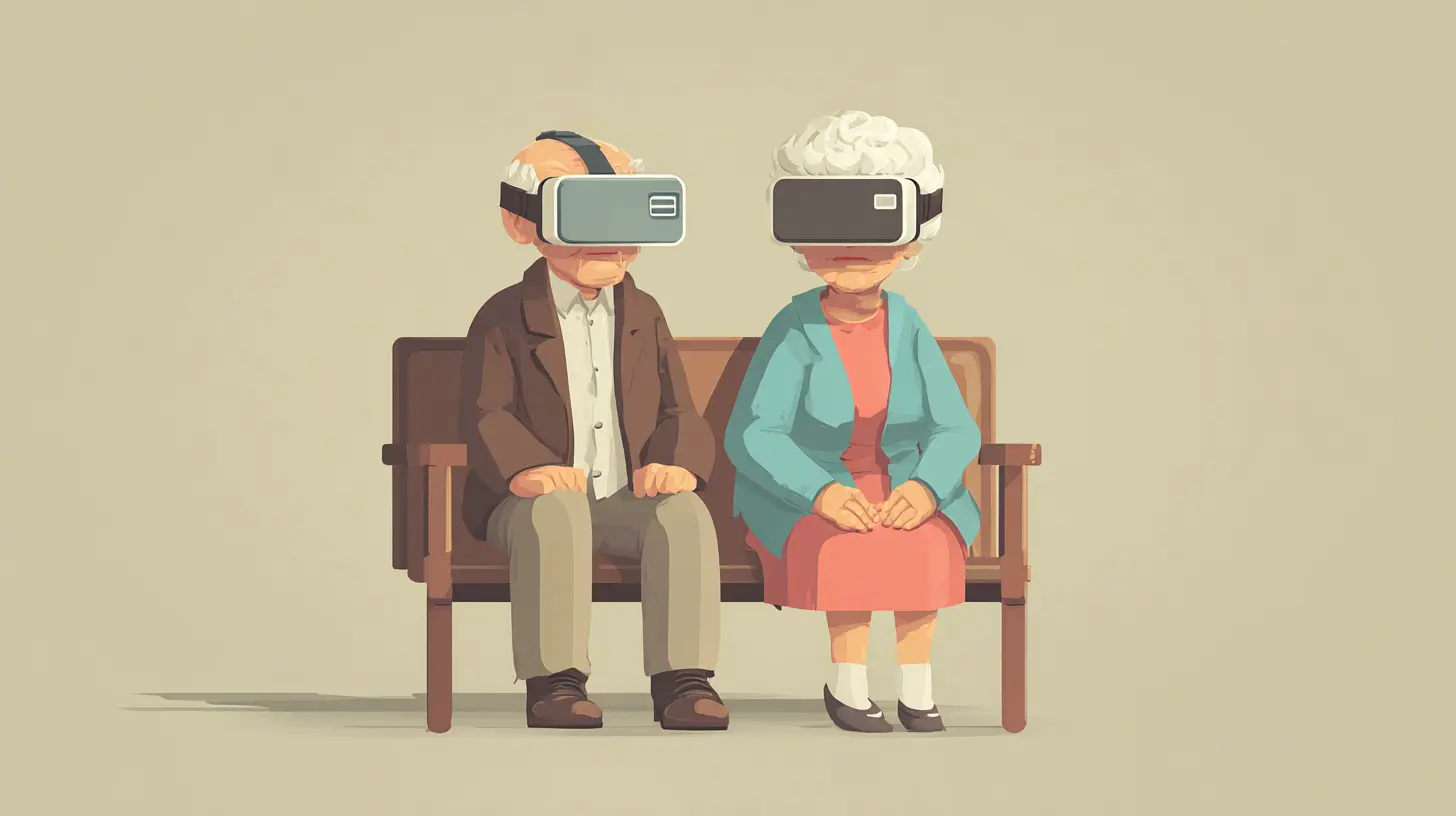
Wait… VR for Seniors? Isn’t That Just for Gamers?
Not anymore. Sure, VR blew up in the gaming world first (thanks, Gen Z). But today, it’s stepping into healthcare, education, and yes — senior care. The hardware has become more user-friendly, less intimidating, and more affordable.Companies are now developing VR platforms specifically for older adults. These aren’t your typical fast-paced action games. Instead, they offer gentle, immersive experiences — like walking through a Parisian market, visiting the Grand Canyon, or participating in a virtual group yoga session.
And let’s not forget how magical it must feel for someone in their 80s who’s never left their hometown to suddenly find themselves "standing" in front of the Eiffel Tower.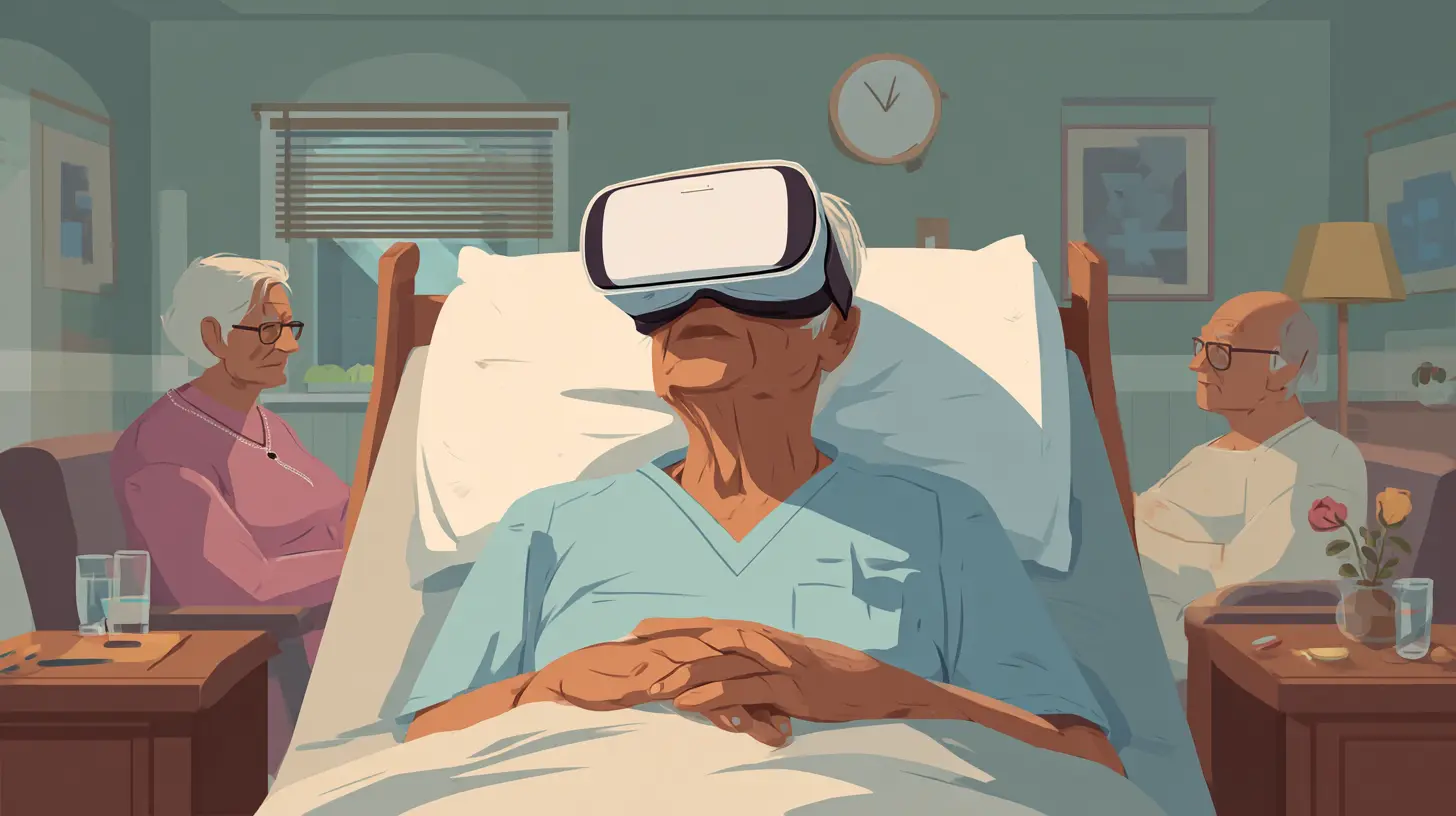
Human Connection Without Borders
One of the coolest things about VR? It bypasses physical limitations.Mobility issues? Doesn’t matter.
Family lives far away? No big deal.
Can’t travel anymore? Who needs a plane ticket?
VR creates a sense of presence — not just seeing a place, but feeling like you're actually there. And when used socially, it’s even better. Seniors can meet up in virtual spaces, talk to each other, play games, or go on guided tours together. The experience is shared, even if everyone’s in a different room or state.
Think of it as the new-age coffee shop, but instead of sitting around a table, you’re floating through the Great Barrier Reef with friends.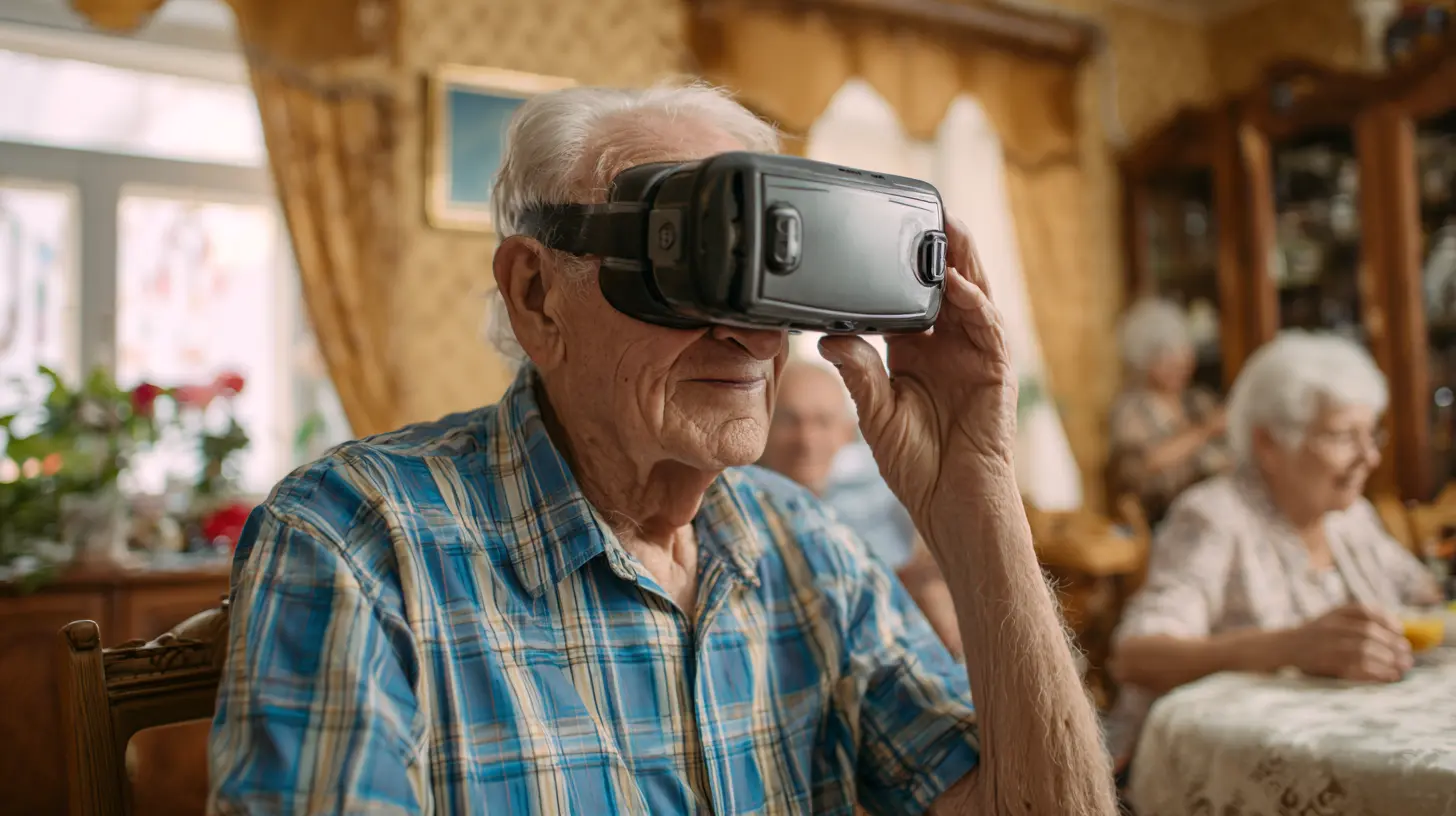
Virtual Reality Therapy: More Than Just Entertainment
Here’s where it gets even more interesting.VR is now being used for therapeutic purposes. Many senior care facilities are tapping into VR programs that are specifically designed to improve cognitive health and emotional well-being. These include:
- Memory recall experiences: Visiting childhood homes or reliving historical moments.
- Cognitive exercises: Puzzle games, spatial memory challenges, and storytelling prompts.
- Mindfulness programs: Guided meditation in peaceful, immersive environments.
This isn’t just feel-good tech. It’s actual emotional therapy that helps reduce anxiety, stimulate the brain, and yes — decrease feelings of loneliness.
Real-Life Examples: Communities Using VR Right Now
Let’s get out of theory land and check out what’s happening in real life.1. Rendever: VR Designed Specifically for Seniors
Rendever is one of the biggest names in the VR-senior care space. Their platform helps seniors explore the world, revisit meaningful places, and connect with others — without ever having to leave their rooms.They’ve conducted thousands of sessions in senior communities, and the feedback is overwhelmingly positive. Residents laugh, cry, and most importantly — feel connected again.
2. MyndVR: Healing Through Virtual Voyages
MyndVR also focuses on older adults, offering a massive library of VR experiences. From fishing trips to Elvis concerts, the goal is to stimulate joy and reduce social isolation. It’s not just about distraction; it’s about engagement.Many seniors have even started requesting “VR time” like they would request a trip to the salon or a game of bridge.
3. VR Therapy in Memory Care
In memory care units, VR is a powerful tool. Staff members note that residents with dementia often become more lucid, animated, and engaged after sessions. A scene from their childhood or an old favorite song can bring back memories and create meaningful conversations — something that’s priceless for both seniors and caregivers.Bringing Families Closer — Virtually
Another huge benefit of VR? Family connection.Let’s say a grandchild lives across the country. Instead of just a phone call or video chat, imagine both grandparent and grandchild putting on VR headsets and meeting “face-to-face” in a virtual garden to walk, talk, and laugh together.
It’s not science fiction — it’s real, and it’s becoming more common.
For families who feel guilty about not being physically present with aging parents or grandparents, this tech offers a remarkable new way to bridge the emotional gap.
The Psychology Behind It: Why It Works
Using VR to combat loneliness isn’t just a feel-good idea — it’s backed by science.Researchers have found that immersive VR experiences can:
- Trigger emotional responses that feel real.
- Stimulate dopamine release, improving mood.
- Increase social engagement in group VR sessions.
- Reduce symptoms of depression and anxiety.
In short, VR doesn’t just entertain. It rewires how the brain processes and perceives social interaction — especially for those who’ve felt left out of the digital shift.
Overcoming the Learning Curve
Sure, there’s always the worry of “but will seniors actually use it?”The answer? With the right support — yes, 100%.
Many VR programs come with audio prompts, easy navigation, and large-text controls. Plus, staff assistance during setup makes a huge difference.
Once seniors get the hang of it (usually after one or two tries), most of them are hooked. It’s like teaching your grandparents to use Facebook — tricky at first, but eventually you’re getting daily updates and emojis.
The Unexpected Ripple Effects
Here’s the part that often goes unnoticed: When residents feel happier and more connected, everything else improves too.We’re talking about:
- Better sleep
- Improved appetite
- More engagement in community activities
- Reduced reliance on medication
Loneliness creates a domino effect of health problems. But connection — even virtual — can reverse that trend. VR becomes more than tech; it becomes a lifeline.
The Future of Senior Living — Digitally Enhanced
We’re just scratching the surface of what’s possible with VR in senior communities.In the future, we could see:
- Fully immersive VR group therapy sessions led by mental health professionals
- Virtual volunteering and mentoring platforms for seniors to connect with younger generations
- AI-powered VR companions that offer conversation, reminders, and encouragement
As the technology advances and becomes even more intuitive, the opportunities for meaningful interaction will only grow.
Final Thoughts: Tech That Touches the Heart
At first glance, VR might seem like an odd fit for older adults. But dig a little deeper, and you’ll see it’s got the potential to fix something society has long ignored — senior loneliness.It doesn’t replace human contact, but it makes meaningful connections more accessible. For many seniors, it opens a door to experiences they never thought they’d have again — or at all.
So yes, VR might come in a headset, but what it really offers is heart. A chance to feel seen, heard, and part of something again. And honestly, isn’t that what we all want?
all images in this post were generated using AI tools
Category:
Virtual RealityAuthor:

Jerry Graham
Discussion
rate this article
2 comments
Runehart Reese
This article highlights an inspiring use of technology. VR can truly enhance connection and engagement for seniors, making a significant difference in their quality of life. Great read!
June 12, 2026 at 1:01 PM
Jerry Graham
Thank you for your thoughts! I'm glad you found the article inspiring. VR really does have the power to create meaningful connections for seniors.
Hunter McInnes
What a fantastic twist on technology! Who knew VR could be the ultimate social buddy for seniors? Imagine the joy of exploring worlds together while sitting in a cozy chair. It's like traveling without the hassle of packing. Here's to happy hearts and connected minds, all thanks to virtual reality!
May 15, 2026 at 3:19 AM
Jerry Graham
Thanks for your thoughts! It's amazing how VR can bridge the gap and create shared experiences for seniors, making every moment memorable and engaging. Here's to more adventures together!