The Potential of AR Glasses in Enhancing Virtual Meetings
19 February 2026
Let’s be real — virtual meetings have become a huge part of our lives. Whether you're working from home, managing remote teams, or networking across time zones, online meetings are the new normal. But let’s face it: most virtual meetings are, well... a bit dull. Staring at a screen with tiny video tiles, dealing with laggy audio, and battling screen fatigue isn’t exactly the future we imagined. But what if I told you that Augmented Reality (AR) glasses might change all of that?
AR tech has been quietly evolving behind the scenes, and now it’s gearing up to crash the virtual meeting scene in a way that could seriously level up how we communicate, collaborate, and connect online. So, buckle up, because we're diving headfirst into the mind-blowing potential of AR glasses in transforming virtual meetings.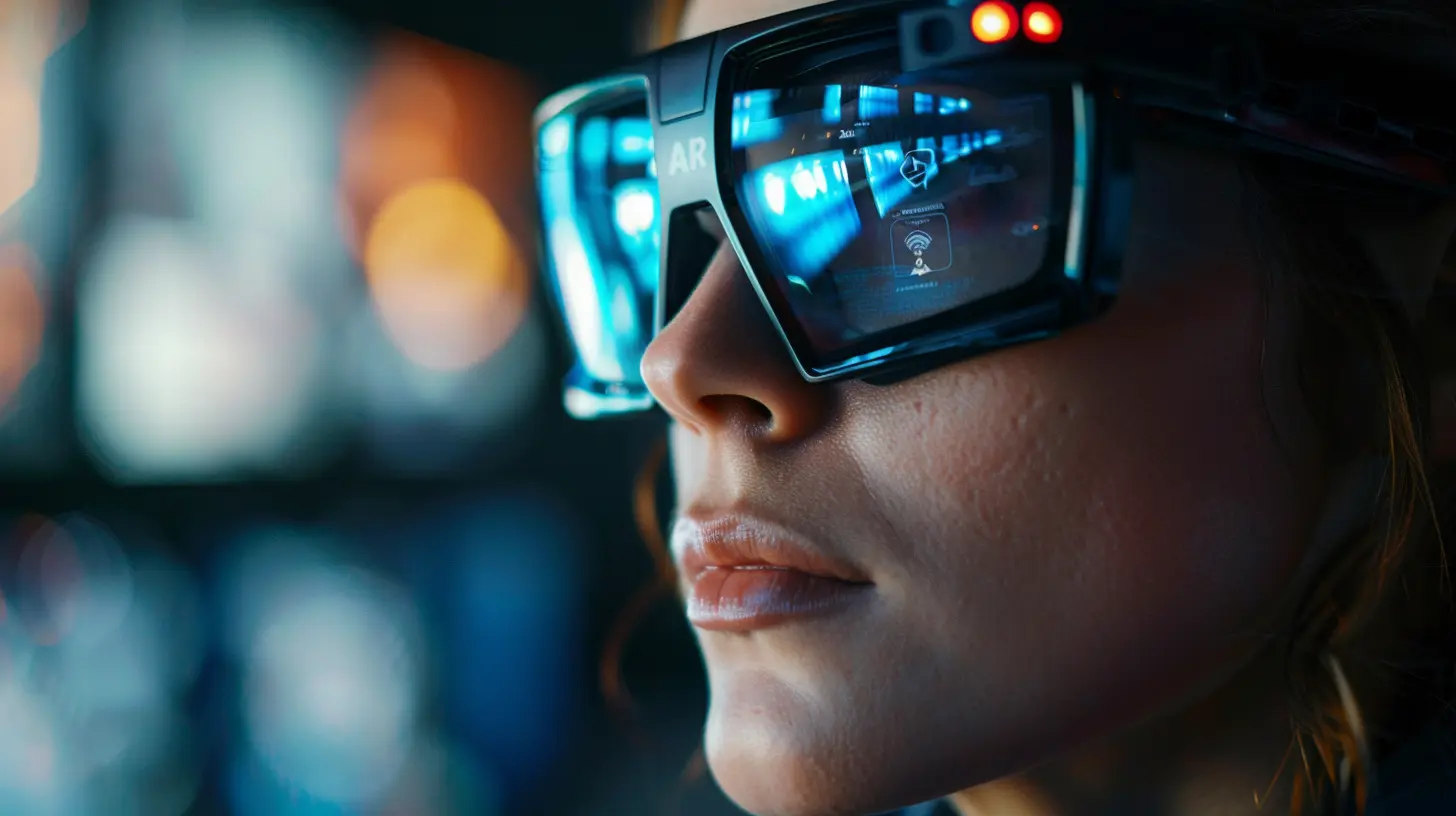
What Are AR Glasses, And Why Should You Care?
Before we go full geek mode, let’s break it down. AR glasses look like regular glasses but with superpowers. Instead of just passively viewing the world, AR overlays digital content — like graphics, 3D models, and data — onto your real-world surroundings. Think Iron Man's heads-up display, but in sleek eyewear.Unlike VR headsets, which immerse you in a completely virtual environment, AR keeps you grounded in the real world while enhancing it in real-time. That makes it perfect for multitasking — and yes, that includes meetings.
Now that we’ve got the basics out of the way, let’s talk about how AR glasses are set to revolutionize our Zoom fatigue-ridden existence.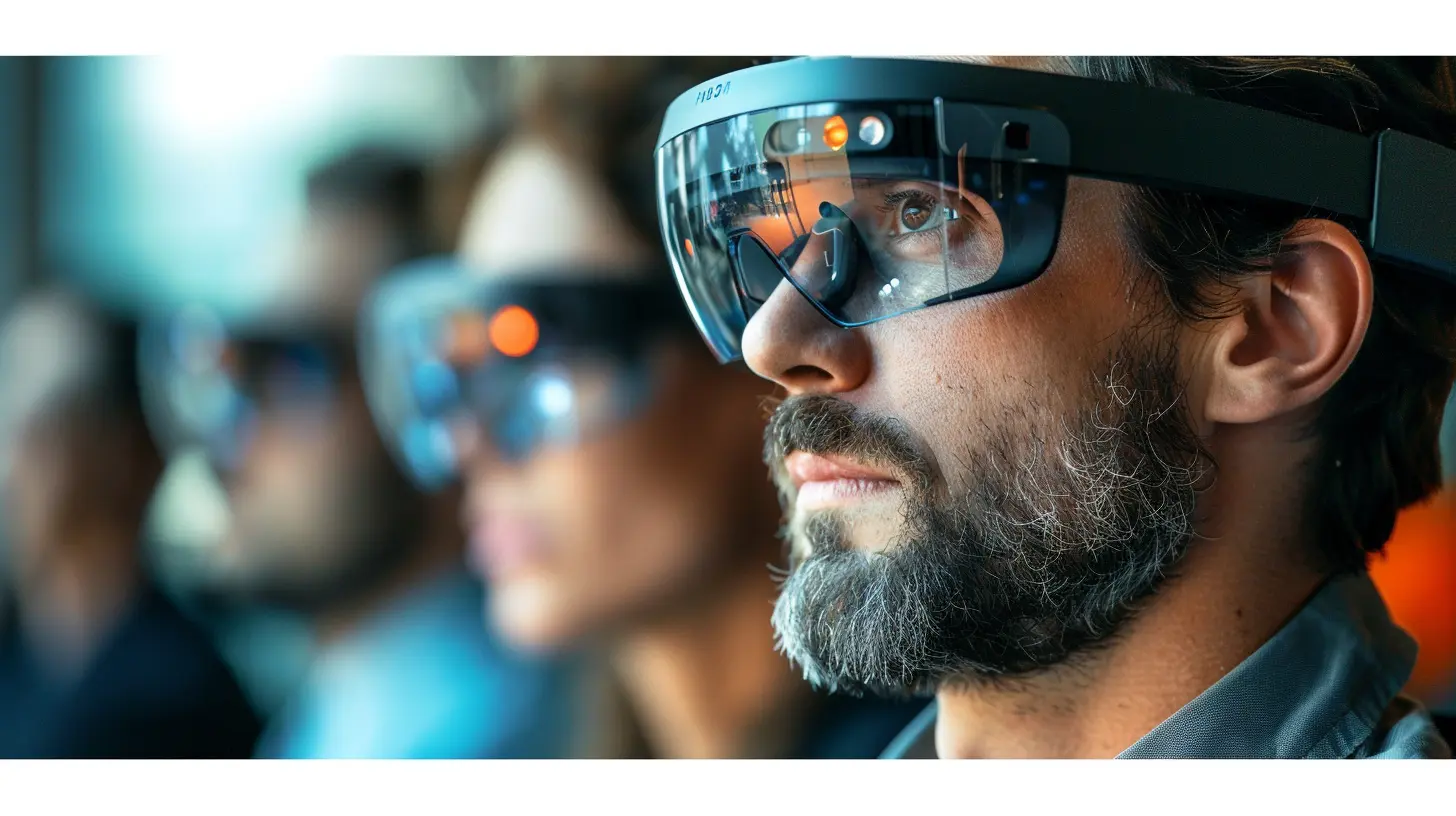
Breaking Free from the Screen: A New Kind of Presence
Let’s admit it — even with HD webcams, virtual backgrounds, and snazzy lighting, most online meetings still feel...flat. There’s a barrier between us and the people we’re trying to collaborate with. AR glasses could change that by adding a whole new layer of presence.Holographic Avatars, Anyone?
Imagine putting on your AR glasses and seeing your colleague’s 3D hologram sitting across the table from you, gesturing like they would in real life. We're talking full-body interactions, eye contact, and spatial sound. It’s like telepresence on steroids.Not only does this feel more natural, but it also brings back some of the social cues that often get lost in video calls — like body language, physical gestures, and even subtle facial expressions.
Real-Time Collaboration Just Got Real
AR glasses aren't just about fancy visuals. They're about shared experience — something that’s sorely lacking in most remote meetings today.Interactive Virtual Whiteboards
Say goodbye to clunky screen sharing. With AR glasses, whiteboards float in mid-air, right in front of you, and anyone in the meeting can write on them — simultaneously. You'll all be staring at the same board, even if you're thousands of miles apart.This opens doors for brainstorming sessions, design reviews, flowchart drawing — you name it. It’s as if the team is gathered in the same room scribbling on the same board, minus the mess.
3D Visualization
Think about industries like architecture, engineering, medical sciences, or product design. Instead of showing static slides or flat diagrams, teams can use AR glasses to examine detailed 3D models. You can rotate, zoom, and even walk around objects. Now that’s what I call hands-on collaboration — without actual hands.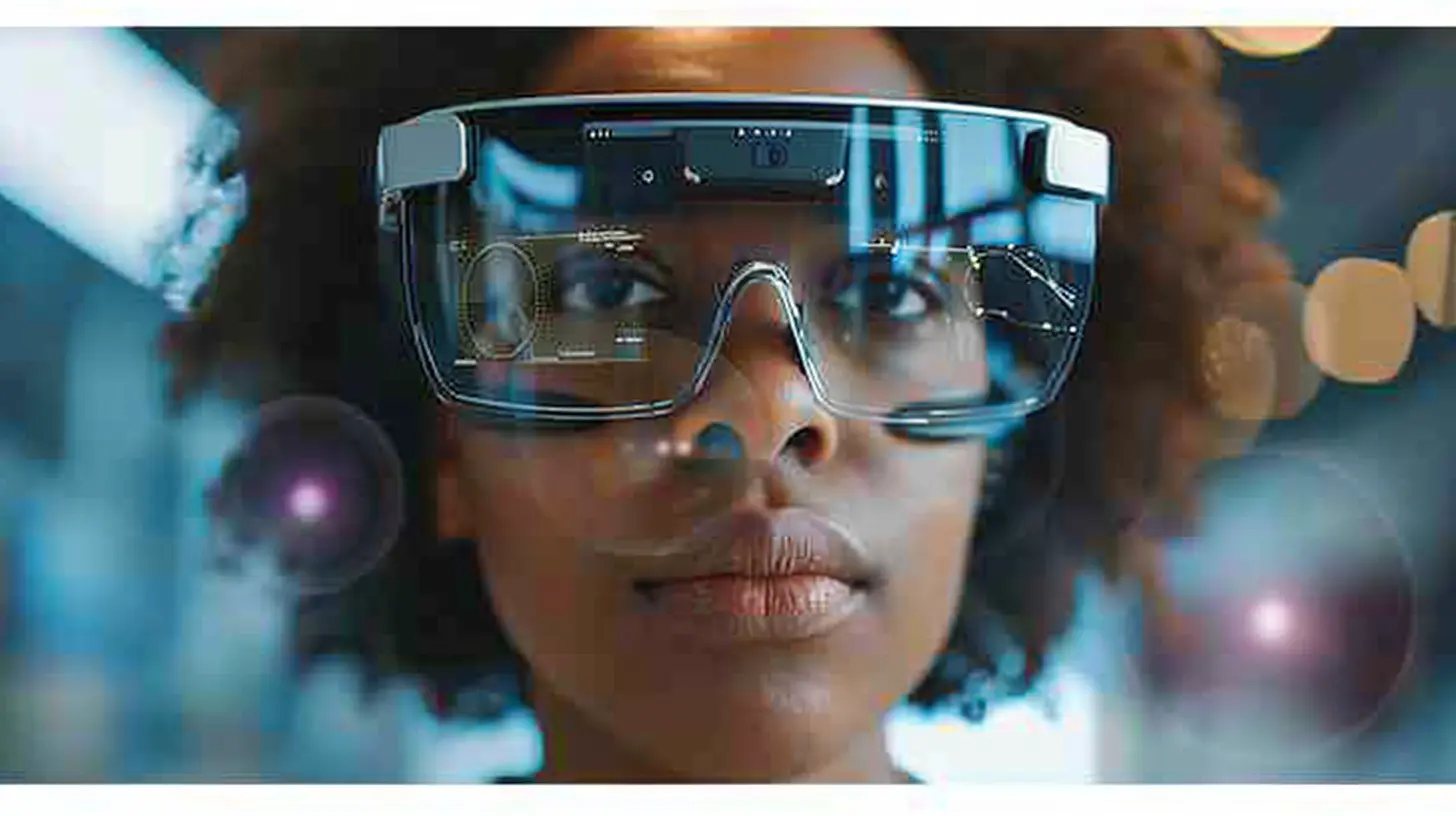
Say Hello to Enhanced Productivity
Let’s talk productivity — because ultimately, that's what meetings are supposed to be about, right?Multitasking Without the Hassle
AR glasses let you view multiple layers of information at once, without needing to tab through screens or switch apps. You can keep your notes floating beside your colleague’s avatar, monitor live data dashboards, and even follow task lists — all in your peripheral vision.It’s like having multiple monitors strapped to your face (in a good way). And because you’re not constantly alt-tabbing, you stay more focused and engaged.
Voice and Gesture Controls
No more fumbling with mouse clicks or shortcut keys. With AR glasses, you can use natural gestures and voice commands to control your environment. Want to bring up a document? Just say it. Want to mute someone (don’t lie, we all do)? A simple hand wave could do the trick in the near future.Breaking Down Language Barriers
In our global economy, multilingual teams are the norm — and sometimes, language differences can cause hiccups in communication. Here's where another superpower of AR glasses comes into play.Live Translation Overlays
AR glasses can display live subtitles translated in real-time during the conversation. Imagine reading what someone is saying in your preferred language, hovering just below their face. It’s like having a simultaneous interpreter right in your eyewear.This could be a game-changer for international teams, cross-border collaborations, and global customer engagement.
Reducing Screen Fatigue and Zoom Burnout
Let’s not forget the mental toll of back-to-back video meetings. Eye strain, headaches, and that weird feeling of staring into the digital void for hours. AR offers a more engaging and natural way to interact that might just cure our collective screen fatigue.Instead of being glued to a pixelated grid, you’re looking at lifelike simulations of people right in your actual environment. Your brain processes this as a more natural interaction, reducing cognitive overload. Plus, your eyes thank you because AR glasses don’t autofocus on a single bright screen all day.
Privacy and Security — Obvious Challenges
Okay, let’s not get carried away with the hype. There are real concerns we need to address.Facial Recognition and Data Privacy
Since AR glasses track your environment and possibly your expressions and gestures, there’s a big question around how that data is used and stored. Who has access to it? How secure is it? Could it be used for surveillance?These issues will need serious regulatory frameworks before AR meetings become the norm.
Compatibility and Accessibility
Let’s not forget cost and accessibility. AR glasses aren’t cheap — yet. Until they become as accessible as smartphones or laptops, there’s a gap in adoption. Also, there's a learning curve involved. Not everyone is comfortable wearing tech on their face for extended periods.The Workplace of the Future Is Closer Than You Think
While AR glasses are still maturing, several tech giants are racing toward mainstream adoption. Apple, Meta, Microsoft, and Google are all doubling down on AR investments. With new models promising lighter designs, longer battery life, and improved optics — it’s only a matter of time before these devices become common in workspaces.And as the software catches up, you can expect features like facial emotion detection, seamless app integration, spatial calendars, and AI-powered virtual assistants — all floating within your view, ready when you need them.
The Blend of Physical and Digital Workspaces
Here’s the coolest part: AR doesn’t replace our physical spaces — it enhances them. Picture yourself working at your kitchen table while your colleagues appear around you as floating avatars. Your environment becomes a fluid blend of home and office, digital and physical.No green screens. No awkward camera angles. No background noise from your neighbor’s lawnmower. Just immersive, productive, and human-focused interaction.
Is It Just a Gimmick or the Real Deal?
You might be wondering — is this just the next tech fad, or will AR glasses truly change how we work?Let’s be honest: not every new tech lives up to the buzz. But AR glasses are sitting at the intersection of necessity and innovation.
Remote work isn’t going anywhere, and the demand for more natural, more engaging ways to collaborate is only growing. Combine that with the advancements in wearable tech, and the future of virtual meetings looks a lot like sci-fi — but a lot more real.
Final Thoughts
AR glasses have the potential to breathe new life into virtual meetings, making them more human, more collaborative, and a heck of a lot more engaging. They bridge the gap between physical and digital, allow for seamless collaboration, eliminate many of the current drawbacks of video conferencing, and set the stage for the future of work.Sure, we’ve got hurdles to overcome — cost, privacy, and accessibility, to name a few — but if we can iron those out, AR glasses might just turn the dreaded Zoom call into something we actually look forward to.
So the next time you’re stuck in another endless video meeting, just imagine slipping on a pair of AR glasses and having your team pop up around you like a holographic dream team. That future? It’s closer than you think.
all images in this post were generated using AI tools
Category:
Ar GlassesAuthor:

Jerry Graham
Discussion
rate this article
2 comments
Isla McMillen
Great insights! AR glasses could revolutionize virtual meetings by improving engagement and collaboration—excited to see future developments!
February 23, 2026 at 5:22 AM
Jerry Graham
Thank you! I share your excitement—AR glasses have immense potential to transform virtual meetings for the better!
Sable McGlynn
This article highlights the transformative potential of AR glasses in virtual meetings. As remote work evolves, integrating augmented reality could enhance engagement and collaboration. However, we must consider accessibility and the learning curve involved, ensuring these tools benefit all participants effectively.
February 21, 2026 at 11:40 AM
Jerry Graham
Thank you for your insightful comment! You're absolutely right—while AR glasses promise to revolutionize virtual meetings, addressing accessibility and the learning curve is essential to maximize their benefits for everyone.