The Operating System’s Role in Post-Silicon Computing
2 October 2026
As we navigate the complex landscape of modern computing, the role of the operating system (OS) becomes increasingly crucial, particularly in a post-silicon world. With advancements in computing paradigms, such as quantum computing, neuromorphic architectures, and specialized hardware, the traditional understanding of OS functionality is evolving. This article delves into the nuanced responsibilities of operating systems in this new era, offering insights, analysis, and practical advice for those looking to understand how these systems adapt to an ever-changing technological landscape.

Understanding Post-Silicon Computing
What is Post-Silicon Computing?
Post-silicon computing refers to the advancement of computational models and architectures that go beyond traditional silicon-based technologies. This includes a variety of approaches such as quantum computing, where quantum bits (qubits) allow for vastly more complex calculations, and neuromorphic computing, which mimics the human brain's architecture to enhance machine learning capabilities.The Shift from Silicon to Alternative Technologies
The move away from silicon has been driven by limitations in performance scaling, energy efficiency, and heat dissipation. As we approach physical limits with silicon transistors, researchers and engineers are exploring alternative materials, systems, and algorithms to push the boundaries of what computers can achieve. This transition impacts not just hardware but also the software that runs on it, particularly the operating systems that manage these resources.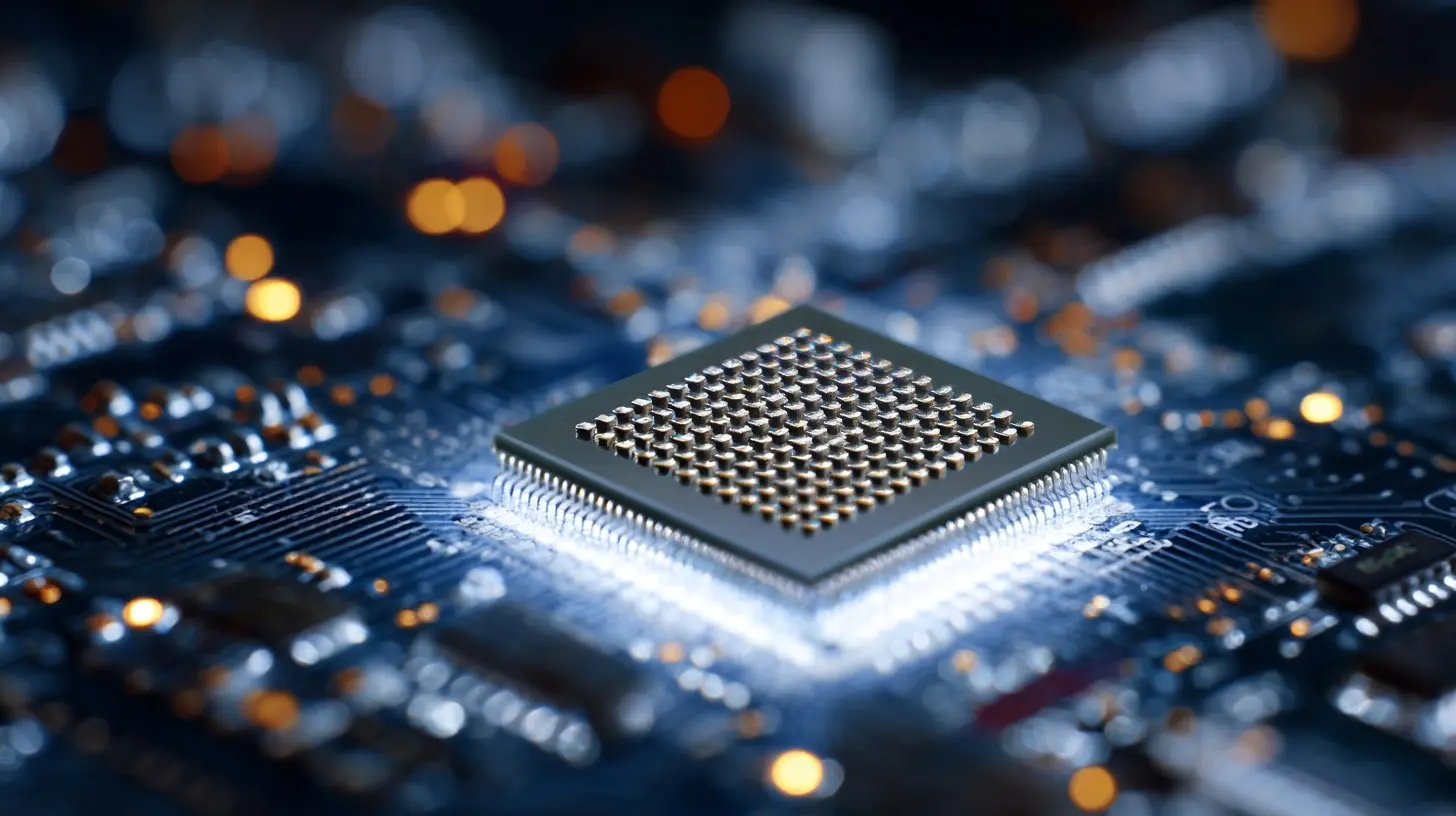
The Role of the Operating System in a New Paradigm
Resource Management
One of the primary functions of an operating system is resource management. In traditional systems, this includes CPU scheduling, memory management, and I/O operations. In post-silicon environments, the OS must adapt to manage new types of resources effectively.Quantum Resource Management
For quantum computers, traditional scheduling algorithms may not apply. Quantum states may need to be manipulated in ways that are fundamentally different from classical bit manipulation. Operating systems must be designed to manage qubits, error correction, and entanglement, which requires a deep understanding of quantum physics and computing principles.Neuromorphic Architectures
With neuromorphic computing, the challenges shift toward managing a vast array of interconnected nodes that process information in parallel. The OS needs to handle dynamic workloads and provide algorithms that learn from experience, adapting to changing data patterns. This requires a more sophisticated approach to resource allocation and scheduling, focusing on efficiency and responsiveness.Abstraction Layers
Operating systems traditionally provide abstraction layers that hide the complexities of hardware from applications. In post-silicon computing, this principle remains vital but becomes more intricate.Bridging Diverse Architectures
Post-silicon systems may incorporate multiple types of processing units, such as quantum processors alongside traditional CPUs and GPUs. An effective OS must provide a unified interface for applications to interact with these diverse architectures seamlessly. This could involve developing new APIs and programming models that enable software developers to leverage the strengths of each architecture without needing to understand the intricate details.Security Considerations
With the advent of novel computing paradigms, security becomes a paramount concern. The OS must adapt to new vulnerabilities inherent in these technologies.Quantum Threats
Quantum computing poses a potential threat to traditional encryption methods. Operating systems will need to implement new security protocols that take into account the capabilities of quantum attackers, such as creating post-quantum cryptographic algorithms that can withstand quantum decryption efforts.Safeguarding Neuromorphic Systems
Similarly, neuromorphic systems could face unique security challenges due to their learning capabilities. The OS must ensure that these systems are safeguarded against adversarial attacks that manipulate learning processes, potentially leading to catastrophic failures.
Real-World Examples of OS Adaptation
Google's Quantum AI
Google has been at the forefront of quantum computing with its Quantum AI initiative. The operating systems and software libraries developed for quantum computers, such as Cirq and TensorFlow Quantum, are designed to manage quantum resources efficiently. These tools provide developers with the means to create quantum algorithms that can run on Google's quantum processors, showcasing how an OS can adapt to a radically different architecture.IBM's Quantum Experience
IBM has launched its Quantum Experience platform, offering cloud-based access to quantum processors. The operating systems involved manage complex quantum circuits and compile them into executable formats for quantum hardware. IBM's focus on open-source software in this domain allows researchers to contribute and adapt the OS to new quantum algorithms and paradigms.Neuromorphic Computing at Intel
Intel's work on neuromorphic computing with its Loihi chips exemplifies the need for specialized operating systems. The architecture allows for massively parallel processing, and the OS must manage real-time data processing while optimizing power consumption. The software stack for Loihi emphasizes learning from experience, reflecting the need for operating systems to evolve with hardware capabilities.
Common Mistakes and Misconceptions
Assuming Traditional Models Apply
One common misconception is that traditional operating system models will work in post-silicon environments. This is often not the case. For instance, standard CPU scheduling algorithms may not function effectively in a quantum or neuromorphic context. Developers and engineers need to reassess their approaches based on the unique characteristics of new computing paradigms.Ignoring Interdisciplinary Collaboration
Another mistake is failing to recognize the interdisciplinary nature of post-silicon computing. Engineers, physicists, and software developers must collaborate closely to develop effective operating systems. Understanding the hardware's physical properties and limitations is essential for designing software that maximizes performance and efficiency.Best Practices for Developing OS in Post-Silicon Environments
Prioritize Modularity and Flexibility
Operating systems should be designed to be modular, allowing components to be updated or replaced as new technologies emerge. This flexibility ensures that the OS can adapt without requiring a complete overhaul, saving time and resources in the long run.Embrace Open Standards
Encouraging open standards is crucial for fostering collaboration within the tech community. Open-source projects can accelerate the development of operating systems that support post-silicon architectures, as developers share knowledge and tools that benefit the entire ecosystem.Invest in Security from the Ground Up
In a rapidly evolving landscape, security cannot be an afterthought. Operating systems should integrate security features from the initial design phase, focusing on both traditional vulnerabilities and those unique to quantum and neuromorphic systems.Engage with the Community
Active engagement with the developer and research communities can provide valuable insights into the challenges and opportunities present in post-silicon environments. This interaction can inform OS development processes, ensuring that they remain relevant and effective.
Conclusion
The operating system's role in post-silicon computing represents a significant evolution in how we understand and manage computational resources. As we embrace new technologies like quantum and neuromorphic computing, the OS must adapt to ensure efficient resource management, effective abstraction, and robust security. By prioritizing flexibility, collaboration, and security, we can pave the way for a new generation of operating systems that harness the full potential of post-silicon architectures.
all images in this post were generated using AI tools
Category:
Operating SystemsAuthor:

Jerry Graham
Discussion
rate this article
1 comments
Carmel Lawrence
Exciting times ahead! Post-silicon computing opens new doors for innovation and efficiency!
October 10, 2026 at 10:58 AM