Could a digital twin make you into a 'superworker'?
April 17, 2026 - 02:00
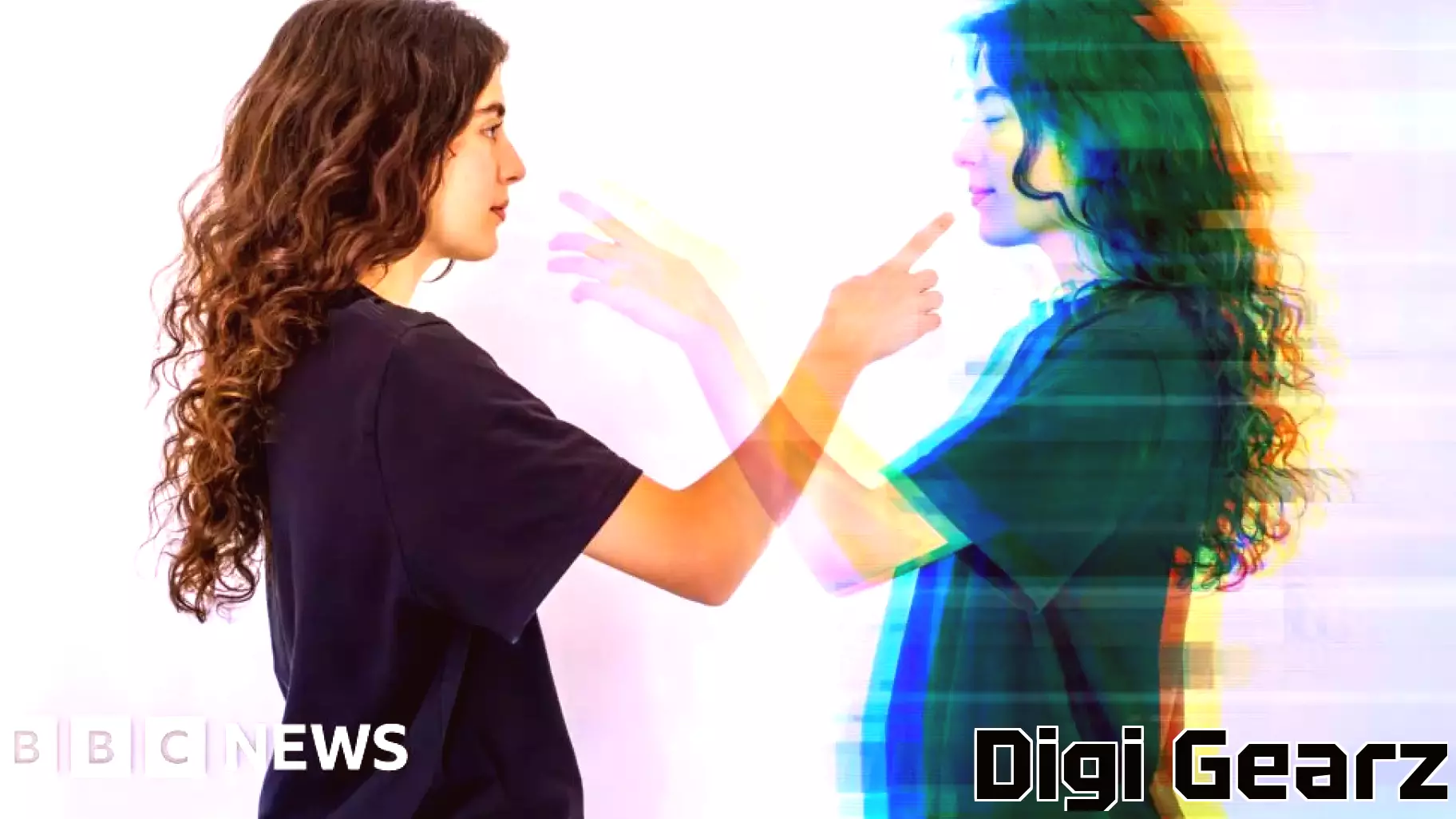
The concept of the "digital twin," a virtual replica of a physical object or system, is now being applied to human employees. Companies are increasingly exploring this technology to create dynamic models of workers, aiming to boost productivity, optimize workflows, and enhance safety. These digital avatars analyze data from wearables, work schedules, and environmental sensors to simulate scenarios and predict outcomes, potentially guiding employees toward peak efficiency.
Proponents argue that this data-driven approach can identify bottlenecks, prevent burnout by monitoring stress indicators, and personalize training. The vision is a workforce where decisions are informed by comprehensive, real-time analytics, turning ordinary roles into highly optimized positions.
However, this push for "superworkers" raises significant ethical and legal questions. Critics warn of a potential minefield surrounding data privacy, constant surveillance, and algorithmic bias. If a digital twin's simulation suggests an employee is underperforming or a health risk, could that data be used for discriminatory dismissal? The boundaries between performance management and invasive profiling become dangerously blurred.
Furthermore, questions of data ownership and worker consent are paramount. As this technology evolves, regulators and companies must urgently address these challenges to ensure that the pursuit of productivity does not come at the cost of worker rights and autonomy. The digital twin may be a powerful tool, but its implementation requires careful ethical and legal frameworks.
MORE NEWS
October 8, 2026 - 12:07
Collin College Electronic Engineering Technology Program and Dean of Academic Affairs and Workforce Programs Receive 2026 Tech Titans AwardThe Electronic Engineering Technology program at Collin College has received recognition from Tech Titans, a regional technology association. The organization presented the Tech Titans of the...
October 7, 2026 - 18:31
How a Brainless Alga Led to a Nobel-Winning Method for Controlling Neurons With LightThe ability to switch specific neurons on and off with a flash of light did not begin in a neuroscience lab. It began in a pond. Researchers studying a single-celled alga noticed it swam toward...

October 7, 2026 - 08:56
Micron Technology Is Not At Its Peak, At Least Not YetMicron Technology has secured long term commitments for a substantial share of its future production. More than 75 percent of the company`s calendar year 2027 output is already locked in through 26...
October 6, 2026 - 18:02
Hofstra University law school opens new legal technology hub through lawyer’s $1 million endowmentHofstra University`s law school has established a new center focused on legal technology, funded by a one million dollar endowment from an attorney. The institute will expand the school`s existing...