Global insect rescue plan requires new technology to ensure success
March 19, 2026 - 09:42
A new generation of technology, including automated cameras and artificial intelligence, is poised to become an essential tool in measuring the success of worldwide efforts to halt nature's decline. Scientists argue that these innovations are urgently needed to track insect populations with the precision required by major international conservation agreements.
The global rescue plan for nature, established under the UN's biodiversity framework, sets ambitious targets for slowing extinction rates. However, its success hinges on reliable data. For small, numerous, and critically important creatures like insects, traditional counting methods are often too slow and labor-intensive to provide a clear global picture.
Enter new solutions like automated camera traps that photograph insects overnight and sophisticated AI algorithms capable of identifying species from these images. This combination allows for continuous, large-scale monitoring without constant human intervention. Such technology can provide the robust, long-term data needed to see if conservation actions, from habitat restoration to pesticide reduction, are genuinely helping insect populations recover.
Experts emphasize that without these technological advances, the world may be implementing a rescue plan in the dark, unable to verify if its strategies are effective. The push is now on to deploy these tools widely, turning vast amounts of raw environmental data into actionable insights for policymakers and conservationists on the front lines of protecting biodiversity.
MORE NEWS
October 8, 2026 - 12:07
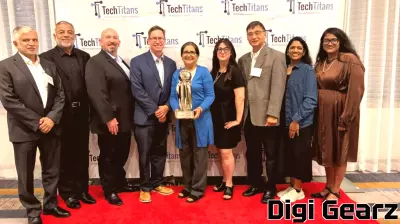
Collin College Electronic Engineering Technology Program and Dean of Academic Affairs and Workforce Programs Receive 2026 Tech Titans AwardThe Electronic Engineering Technology program at Collin College has received recognition from Tech Titans, a regional technology association. The organization presented the Tech Titans of the...

October 7, 2026 - 18:31
How a Brainless Alga Led to a Nobel-Winning Method for Controlling Neurons With LightThe ability to switch specific neurons on and off with a flash of light did not begin in a neuroscience lab. It began in a pond. Researchers studying a single-celled alga noticed it swam toward...

October 7, 2026 - 08:56
Micron Technology Is Not At Its Peak, At Least Not YetMicron Technology has secured long term commitments for a substantial share of its future production. More than 75 percent of the company`s calendar year 2027 output is already locked in through 26...

October 6, 2026 - 18:02
Hofstra University law school opens new legal technology hub through lawyer’s $1 million endowmentHofstra University`s law school has established a new center focused on legal technology, funded by a one million dollar endowment from an attorney. The institute will expand the school`s existing...