How AI could automate the poor tax
July 26, 2026 - 20:42

A new wave of artificial intelligence tools is changing how companies set prices, and critics warn it could automate a practice long known as the "poor tax." Instead of asking what a product is worth, AI systems now ask what a specific consumer is willing to pay. This shift moves beyond traditional dynamic pricing, which adjusts prices based on demand or time of day, into a more personalized form of price discrimination.
The technology works by analyzing a person's browsing history, location, past purchases, and even the device they use. If someone appears to have a lower income or fewer alternatives, the AI may set a higher price for essential goods like food, medicine, or utilities. The result is that people with less money end up paying more for the same items, while wealthier shoppers get lower prices or discounts.
Proponents argue this is just smart business. They say AI helps companies maximize revenue and can even offer discounts to those who would otherwise be priced out. But consumer advocates see a darker side. They point out that the poor often lack the time, data literacy, or internet access to shop around and compare prices. Automated systems can exploit that gap without any human oversight.
Regulators are starting to take notice. Some lawmakers are calling for transparency rules that require companies to explain how their pricing algorithms work. Others want outright bans on using personal data to set prices for basic necessities. For now, the practice is mostly legal, but the debate is growing as AI becomes more common in retail, insurance, and lending.
The core question remains: should a machine be allowed to charge someone more simply because it knows they have no other choice?
MORE NEWS
October 8, 2026 - 12:07
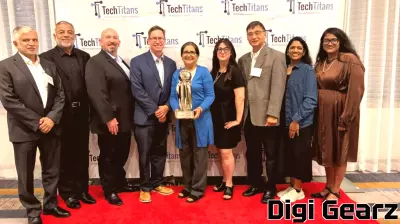
Collin College Electronic Engineering Technology Program and Dean of Academic Affairs and Workforce Programs Receive 2026 Tech Titans AwardThe Electronic Engineering Technology program at Collin College has received recognition from Tech Titans, a regional technology association. The organization presented the Tech Titans of the...

October 7, 2026 - 18:31
How a Brainless Alga Led to a Nobel-Winning Method for Controlling Neurons With LightThe ability to switch specific neurons on and off with a flash of light did not begin in a neuroscience lab. It began in a pond. Researchers studying a single-celled alga noticed it swam toward...

October 7, 2026 - 08:56
Micron Technology Is Not At Its Peak, At Least Not YetMicron Technology has secured long term commitments for a substantial share of its future production. More than 75 percent of the company`s calendar year 2027 output is already locked in through 26...
October 6, 2026 - 18:02
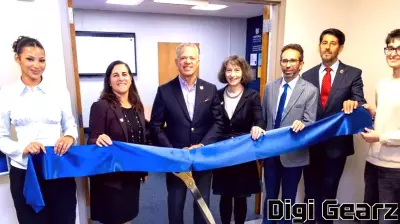
Hofstra University law school opens new legal technology hub through lawyer’s $1 million endowmentHofstra University`s law school has established a new center focused on legal technology, funded by a one million dollar endowment from an attorney. The institute will expand the school`s existing...