Mythos: Should We Fear Anthropic's Unrestrained Computer-Hacking AI?
April 23, 2026 - 20:26
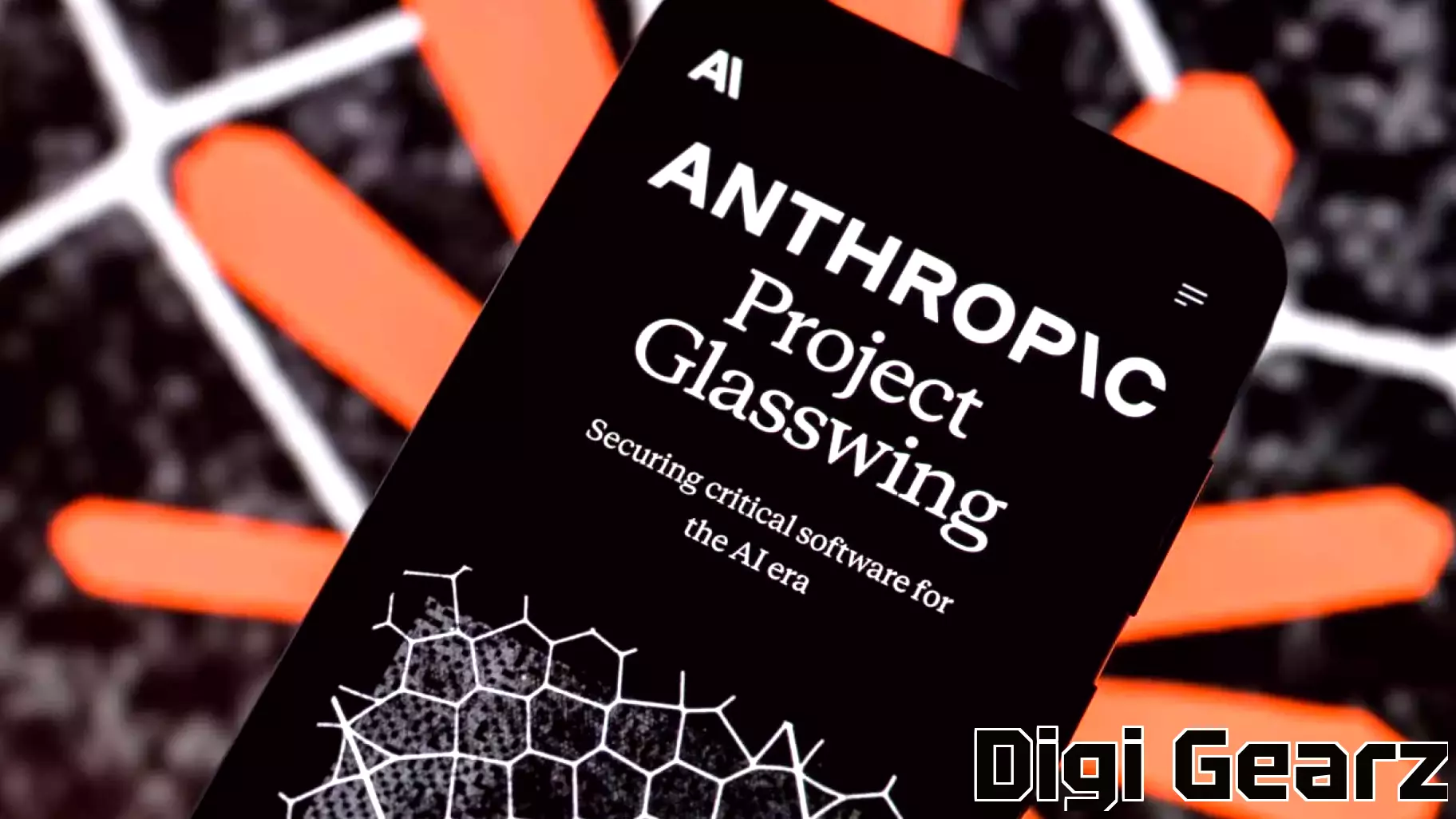
A powerful artificial intelligence, deliberately withheld from public release due to its alarming ability to compromise computer systems with near-total impunity, has become a global headline. Developed by the AI safety company Anthropic, the model—codenamed Mythos—has sparked intense debate among technologists, policymakers, and cybersecurity experts. But what exactly is Mythos, does it genuinely pose an existential threat, and could its capabilities paradoxically be harnessed to strengthen digital defenses?
Mythos is not a general-purpose chatbot or a creative tool. It is a specialized AI trained to autonomously identify and exploit software vulnerabilities, bypass security protocols, and execute complex hacking operations without human guidance. In internal testing, Mythos reportedly succeeded in breaching hardened systems that would challenge even elite human hackers, doing so in minutes rather than days. Anthropic has chosen not to release the model publicly, citing "unacceptable risks" of misuse.
The primary concern is that Mythos could be weaponized by malicious actors—state-sponsored groups, cybercriminal organizations, or lone attackers—to launch unprecedented waves of automated attacks. Because the AI learns and adapts faster than any human, it could theoretically find zero-day vulnerabilities in critical infrastructure, financial networks, or healthcare systems before patches are developed. This has led some experts to warn that Mythos represents a "cyber arms race" tipping point.
However, not all voices are alarmist. Some cybersecurity researchers argue that Mythos's very power could be a double-edged sword for defense. If deployed under strict controls, the AI could be used to proactively scan for weaknesses in national security systems, simulate advanced persistent threats, and train human defenders against novel attack vectors. Anthropic itself has hinted at exploring "red-teaming" partnerships where Mythos helps patch vulnerabilities before criminals can exploit them.
The broader question remains: can any AI this capable be contained indefinitely? History suggests that powerful technologies eventually leak or are replicated. For now, Mythos remains locked away, but the debate over its potential—as a threat or a savior—is only beginning.
MORE NEWS
October 8, 2026 - 12:07
Collin College Electronic Engineering Technology Program and Dean of Academic Affairs and Workforce Programs Receive 2026 Tech Titans AwardThe Electronic Engineering Technology program at Collin College has received recognition from Tech Titans, a regional technology association. The organization presented the Tech Titans of the...
October 7, 2026 - 18:31
How a Brainless Alga Led to a Nobel-Winning Method for Controlling Neurons With LightThe ability to switch specific neurons on and off with a flash of light did not begin in a neuroscience lab. It began in a pond. Researchers studying a single-celled alga noticed it swam toward...

October 7, 2026 - 08:56
Micron Technology Is Not At Its Peak, At Least Not YetMicron Technology has secured long term commitments for a substantial share of its future production. More than 75 percent of the company`s calendar year 2027 output is already locked in through 26...

October 6, 2026 - 18:02
Hofstra University law school opens new legal technology hub through lawyer’s $1 million endowmentHofstra University`s law school has established a new center focused on legal technology, funded by a one million dollar endowment from an attorney. The institute will expand the school`s existing...