Study finds governance, not technology, is blocking digital ID interoperability
July 4, 2026 - 05:00

A new study examining digital identity systems in Brazil, Nigeria, and the Philippines has concluded that the biggest barrier to interoperability is not a lack of technical capability, but persistent institutional weaknesses. Despite significant advances in the technical maturity of their national ID programs, all three countries continue to struggle with fragmented governance structures, conflicting mandates between agencies, and a lack of clear legal frameworks for data sharing.
Researchers found that while each nation has invested heavily in biometric databases and digital infrastructure, these systems often operate in silos. In Brazil, for example, multiple government bodies issue different identity credentials that do not communicate with one another. Nigeria has made strides with its National Identification Number, but coordination with other public and private sector databases remains inconsistent. The Philippines faces similar challenges, where overlapping registration processes create confusion and inefficiency.
The study argues that without strong, centralized governance and enforceable data-sharing agreements, even the most advanced technology will fail to deliver seamless interoperability. Political will and sustained administrative reform are cited as more critical than any new software or hardware. The findings suggest that policymakers should prioritize legal harmonization and inter-agency cooperation before seeking further technical upgrades.
MORE NEWS
October 8, 2026 - 12:07
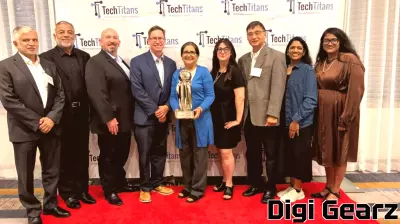
Collin College Electronic Engineering Technology Program and Dean of Academic Affairs and Workforce Programs Receive 2026 Tech Titans AwardThe Electronic Engineering Technology program at Collin College has received recognition from Tech Titans, a regional technology association. The organization presented the Tech Titans of the...

October 7, 2026 - 18:31
How a Brainless Alga Led to a Nobel-Winning Method for Controlling Neurons With LightThe ability to switch specific neurons on and off with a flash of light did not begin in a neuroscience lab. It began in a pond. Researchers studying a single-celled alga noticed it swam toward...

October 7, 2026 - 08:56
Micron Technology Is Not At Its Peak, At Least Not YetMicron Technology has secured long term commitments for a substantial share of its future production. More than 75 percent of the company`s calendar year 2027 output is already locked in through 26...
October 6, 2026 - 18:02
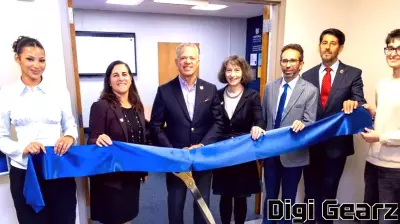
Hofstra University law school opens new legal technology hub through lawyer’s $1 million endowmentHofstra University`s law school has established a new center focused on legal technology, funded by a one million dollar endowment from an attorney. The institute will expand the school`s existing...