Sustaining community oncology through nonprofit structures and shared technology infrastructure
February 21, 2026 - 02:52

Independent oncology practices are under immense strain from financial pressures, rising cybersecurity costs, and persistent staffing shortages. The traditional response—selling to large hospital systems—continues to reshape cancer care, often reducing patient options, especially in underserved rural areas.
However, a growing movement is championing an alternative path to preserve local, physician-led care. Experts point to the adoption of nonprofit structures and shared technology infrastructure as a viable strategy for community practices to survive and thrive.
Transitioning to a nonprofit model can provide critical advantages, including access to different funding sources, potential tax benefits, and a reinforced mission-focused culture centered on patient care rather than shareholder returns. This structure can align more closely with the community-serving purpose of these practices.
Concurrently, investing in shared technological platforms for essential but costly services—such as electronic health records, data analytics, and cybersecurity—can dramatically lower overhead. By pooling resources, small practices can achieve the scale and sophistication needed to meet modern regulatory and operational demands without sacrificing their independence.
This dual approach offers a promising framework. It allows community oncologists to maintain local decision-making and patient relationships while gaining the operational stability required to navigate today's complex healthcare environment, ensuring vital cancer care remains accessible in communities nationwide.
MORE NEWS
October 8, 2026 - 12:07
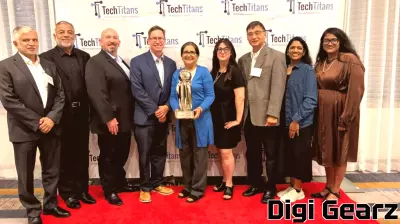
Collin College Electronic Engineering Technology Program and Dean of Academic Affairs and Workforce Programs Receive 2026 Tech Titans AwardThe Electronic Engineering Technology program at Collin College has received recognition from Tech Titans, a regional technology association. The organization presented the Tech Titans of the...

October 7, 2026 - 18:31
How a Brainless Alga Led to a Nobel-Winning Method for Controlling Neurons With LightThe ability to switch specific neurons on and off with a flash of light did not begin in a neuroscience lab. It began in a pond. Researchers studying a single-celled alga noticed it swam toward...

October 7, 2026 - 08:56
Micron Technology Is Not At Its Peak, At Least Not YetMicron Technology has secured long term commitments for a substantial share of its future production. More than 75 percent of the company`s calendar year 2027 output is already locked in through 26...

October 6, 2026 - 18:02
Hofstra University law school opens new legal technology hub through lawyer’s $1 million endowmentHofstra University`s law school has established a new center focused on legal technology, funded by a one million dollar endowment from an attorney. The institute will expand the school`s existing...