30 years since Dolly the sheep was born, where is cloning technology at now?
July 8, 2026 - 09:58
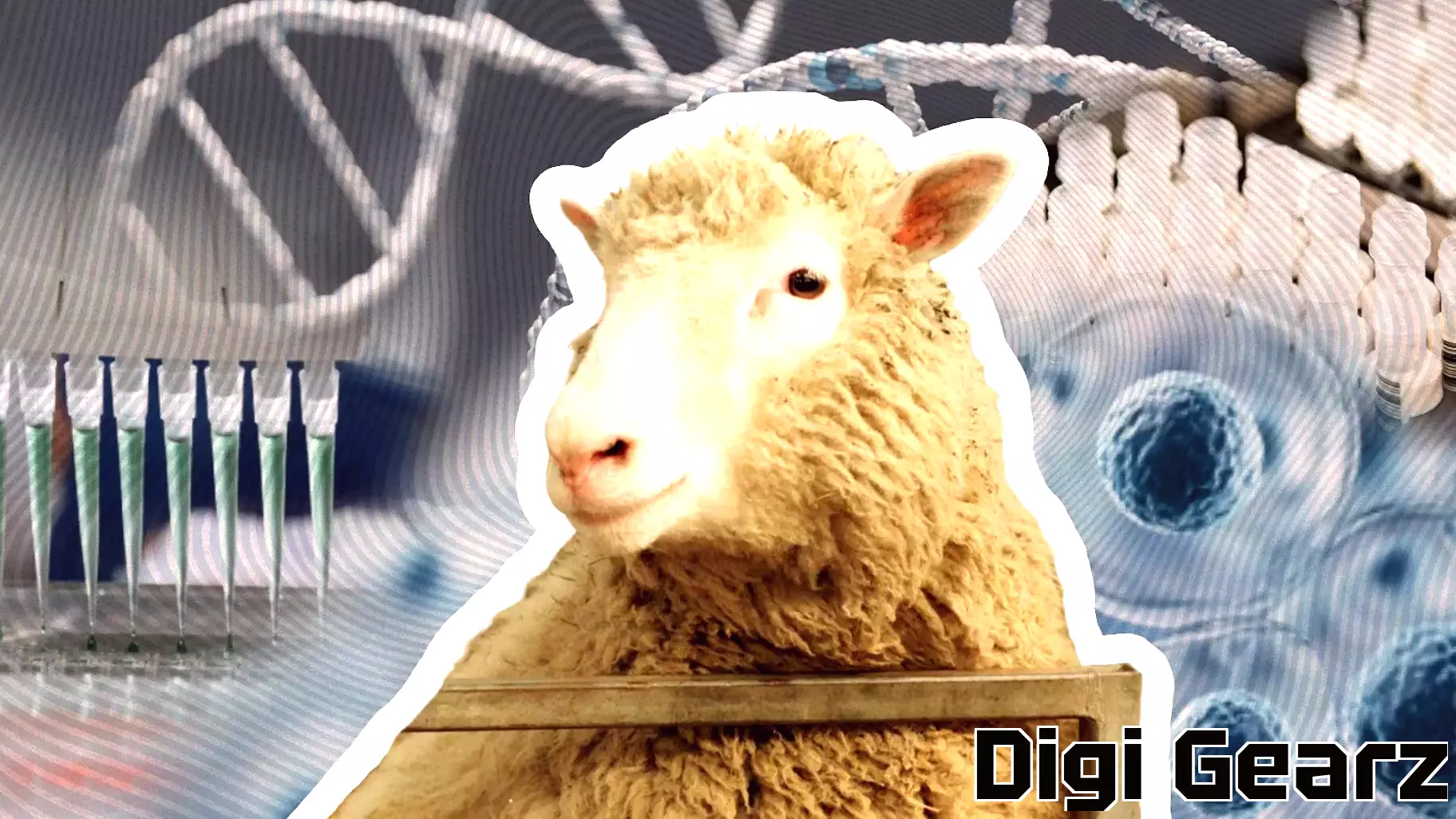
It has been three decades since Dolly the sheep made headlines as the first mammal cloned from an adult cell. Born on July 5, 1996, at the Roslin Institute in Scotland, Dolly proved that a cell taken from a fully grown animal could be reprogrammed to create a new, identical life. The announcement sparked global excitement and ethical panic, with many imagining a future of human cloning factories or resurrected extinct species. But three decades later, the reality of cloning is far more measured and practical.
Today, cloning is not a simple "copy and paste" operation. The process remains inefficient and expensive, with high rates of failure and health problems in cloned animals. Dolly herself developed arthritis and was euthanized at age six after a lung disease. Since then, scientists have cloned horses, cattle, pigs, and even endangered species like the Przewalski's horse and the black-footed ferret. However, the goal has shifted from creating perfect duplicates to solving specific problems.
The most significant advances have come in regenerative medicine. The technique that created Dolly, called somatic cell nuclear transfer, laid the groundwork for induced pluripotent stem cells. These are adult cells reprogrammed to behave like embryonic stem cells, allowing researchers to grow tissues for transplants without using embryos. This has opened doors for treating Parkinson's disease, spinal cord injuries, and diabetes. Cloning is also used in agriculture to preserve elite genetics in livestock and to produce animals that can serve as models for human diseases.
Ethical debates continue, but they have quieted. Human reproductive cloning remains banned in most countries and is widely considered unsafe and unethical. Instead, the legacy of Dolly is a quieter, more focused science: one that uses cloning not to duplicate life, but to understand and repair it.
MORE NEWS
October 8, 2026 - 12:07
Collin College Electronic Engineering Technology Program and Dean of Academic Affairs and Workforce Programs Receive 2026 Tech Titans AwardThe Electronic Engineering Technology program at Collin College has received recognition from Tech Titans, a regional technology association. The organization presented the Tech Titans of the...

October 7, 2026 - 18:31
How a Brainless Alga Led to a Nobel-Winning Method for Controlling Neurons With LightThe ability to switch specific neurons on and off with a flash of light did not begin in a neuroscience lab. It began in a pond. Researchers studying a single-celled alga noticed it swam toward...

October 7, 2026 - 08:56
Micron Technology Is Not At Its Peak, At Least Not YetMicron Technology has secured long term commitments for a substantial share of its future production. More than 75 percent of the company`s calendar year 2027 output is already locked in through 26...

October 6, 2026 - 18:02
Hofstra University law school opens new legal technology hub through lawyer’s $1 million endowmentHofstra University`s law school has established a new center focused on legal technology, funded by a one million dollar endowment from an attorney. The institute will expand the school`s existing...